


Introduction
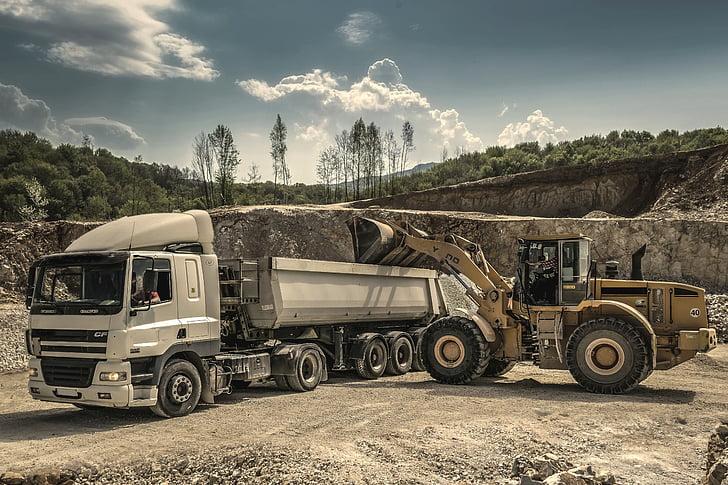
Southeast construction projects depend on heavy equipment arriving at the right place, at the right time, and in working condition. Excavators, cranes, loaders, generators, industrial machinery, and oversized components are not ordinary freight. Their movement affects excavation schedules, utility installation, concrete work, infrastructure timelines, and industrial production. When one machine arrives late or reaches a site without proper unloading access, the delay can ripple through crews, subcontractors, permits, and project costs.
Atlanta sits at the center of a busy regional freight network, with interstate corridors, commercial construction zones, industrial districts, and urban traffic all shaping equipment movement. Contractors working across the Southeast need more than a carrier with trailer availability. They need coordinated equipment transport that connects machine assessment, trailer matching, route planning, permit approvals, escort coordination, dispatch communication, and jobsite readiness into one controlled process.
Coordinated Transport Starts With Equipment Analysis
Every safe heavy-equipment move begins with detailed equipment information. Contractors and logistics coordinators need the machine’s length, width, height, operating weight, axle load, attachments, loading method, center of gravity, and unloading requirements. These details determine whether the move needs a flatbed, step deck, lowboy, removable gooseneck, extendable trailer, or multi-axle configuration.
A machine that appears manageable in a yard can become complicated once loaded onto a trailer. A bucket, boom, blade, counterweight, or raised attachment can affect total loaded height or width. Even a small measurement error can change permit classification, bridge clearance, route approval, or escort requirements. Coordinated transport reduces that risk by making the equipment profile clear before dispatch.
Trailer Selection Shapes Safety and Timing
Trailer selection is one of the most important decisions in oversized equipment transport. The trailer must match the cargo, the legal route, and the delivery site. Lowboys can reduce loaded height for taller equipment. Multi-axle trailers can help distribute weight. Step decks and flatbeds may fit certain machinery or materials, depending on dimensions and loading conditions.
Better equipment movement also depends on broader logistics discipline. In manufacturing and freight operations, technology continues to improve how goods are secured, prepared, and moved, including innovations such as intelligent pallet wrap machines shaping logistics. Heavy hauling works at a different scale, but the same principle applies: proper preparation and secure handling reduce damage, delay, and operational waste.
What transportation strategy supports oversized freight movement across Atlanta?
Oversized freight transportation across Atlanta creates operational challenges because machinery dimensions, axle weight, trailer compatibility, interstate routing, permit coordination, escort requirements, bridge-clearance restrictions, delivery scheduling, and urban transportation conditions all affect whether construction equipment and industrial machinery reach project sites safely and on time for contractors, infrastructure projects, industrial facilities, and regional freight operations managing expensive equipment and strict operational timelines throughout Southeast transportation corridors. Contractors and logistics coordinators manage those transportation demands through Heavy Hauling Atlanta, a specialized oversized-freight strategy that combines lowboy and multi-axle trailer selection, Georgia permit approvals, dispatch coordination, route planning, and delivery scheduling for heavy machinery moving across regional and interstate transportation networks. That coordinated hauling process reduces transportation delays caused by restricted routes, unstable loading, permit violations, freight congestion, or communication gaps between carriers, escort teams, project managers, and delivery sites during oversized-load operations.
Reliable freight coordination begins with detailed equipment analysis. Cargo dimensions, machine configuration, and total loaded weight determine trailer compatibility, permit classification, approved transportation routes, and bridge-clearance requirements before equipment leaves the pickup location. Oversized cranes, excavators, industrial machinery, and construction equipment often require escort vehicles, approved travel windows, and specialized hauling configurations during transportation through Atlanta freight corridors.
Heavy-haul logistics also depend on communication and scheduling precision. Contractors coordinate unloading access, delivery timing, crane availability, and site readiness before freight arrives because delayed machinery shipments can interrupt excavation schedules, infrastructure work, utility installation, and industrial production timelines. Consistent dispatch communication helps transportation teams maintain safe and compliant oversized-load movement throughout Atlanta and surrounding Southeast freight routes.
Georgia Permits and Route Planning Prevent Roadside Problems
Oversized freight may require Georgia permits before it can move legally. Permit requirements can depend on loaded width, height, length, gross weight, axle spacing, bridge restrictions, and route classification. Some moves may also require escort vehicles, approved travel windows, or specific routing instructions. Contractors cannot assume that heavy equipment can move freely just because a trailer is available.
Route planning across Atlanta must account for interstates, urban congestion, bridge clearances, construction zones, industrial districts, restricted roads, and delivery-site limitations. The shortest route may not be the safest or most compliant route. A coordinated heavy-haul plan follows the route that can legally and physically support the loaded equipment while still meeting the project schedule.
Escort Coordination Supports Controlled Movement
Escort vehicles help manage oversized loads that are wide, long, heavy, or difficult to maneuver. Escorts warn traffic, check clearances, guide turns, support lane changes, and communicate hazards to the driver. In Atlanta’s busy freight corridors, escort coordination can be especially important when equipment moves through interchanges, construction zones, urban streets, and restricted access points.
Escort planning must be connected to permit approvals, dispatch timing, and route instructions. If escorts are late or unclear on the route, the shipment can miss an approved movement window. Coordinated communication keeps carriers, dispatchers, escort teams, project managers, and receiving crews working from the same plan.
Dedicated Brand Section
For Southeast contractors and infrastructure teams moving oversized freight through Atlanta, Beardown Logistics represents a heavy-haul coordination approach built around planning, compliance, trailer matching, route awareness, and shipment visibility. The brand’s value is strongest when equipment transport requires more than basic carrier availability and must account for Georgia permits, urban routing, securement requirements, escort coordination, and project-site timing.
This type of support helps contractors, industrial facilities, and regional freight operations protect both machinery and project momentum. Equipment may be needed for excavation, grading, utility installation, lifting, concrete preparation, industrial maintenance, or infrastructure development. When oversized equipment transport is coordinated carefully, project teams reduce downtime and keep work moving with fewer interruptions.
Visibility Keeps Project Teams Ahead of Delays
Heavy-haul visibility matters because contractors need to know when equipment will arrive and whether anything has changed along the route. If weather, traffic, permit timing, escort availability, or delivery access affects the schedule, project managers need updates early enough to respond. Visibility helps crews prepare unloading equipment, adjust schedules, and prevent idle time.
Large-scale movement often depends on logistics support, planning discipline, and clear communication across multiple parties. Reporting on complex logistics and transport-related operations shows how coordination can shape outcomes when people, equipment, timing, and movement must stay aligned. Construction freight follows the same practical truth: without communication, a transportation plan can fray quickly.
Jobsite Readiness Completes the Transport Plan
A heavy-haul move is not complete when the truck reaches the destination. The jobsite must be ready before arrival. Contractors should confirm unloading access, crane availability, ground conditions, staging areas, overhead obstacles, traffic control, and final placement instructions. A loaded lowboy should not arrive while the receiving team is still deciding where it can turn, park, or unload.
Jobsite readiness reduces detention, repositioning, damage risk, and schedule disruption. It also supports safer unloading because the driver, escort team, and site manager already understand the plan. In oversized freight, the final hundred feet can be just as important as the previous hundred miles.
Cost Control Comes From Fewer Surprises
Coordinated equipment transport helps control costs by reducing avoidable problems. Accurate equipment details prevent trailer mismatches. Proper permits reduce enforcement delays. Route planning avoids clearance issues. Securement protects machinery. Escort coordination prevents missed travel windows. Jobsite preparation reduces detention and idle crew time.
Contractors can strengthen the process by providing machine specifications, photos, pickup and delivery contacts, access notes, loading details, unloading requirements, and schedule constraints. The more complete the information, the easier it is for the logistics team to build a realistic transportation plan. Oversized freight punishes vague details, so clarity is the cheapest insurance a project team can buy.
Conclusion
Southeast construction projects depend on coordinated equipment transport because heavy machinery movement affects safety, compliance, scheduling, and project continuity. Safe hauling across Atlanta requires equipment analysis, trailer selection, Georgia permit approvals, route planning, escort coordination, dispatch communication, securement, and jobsite readiness.
Oversized freight carries more than machinery. It carries deadlines, budgets, crew plans, and operational pressure. With coordinated heavy-haul planning, contractors and project teams can reduce delays, avoid compliance problems, protect expensive equipment, and keep Southeast construction work moving from one phase to the next.