


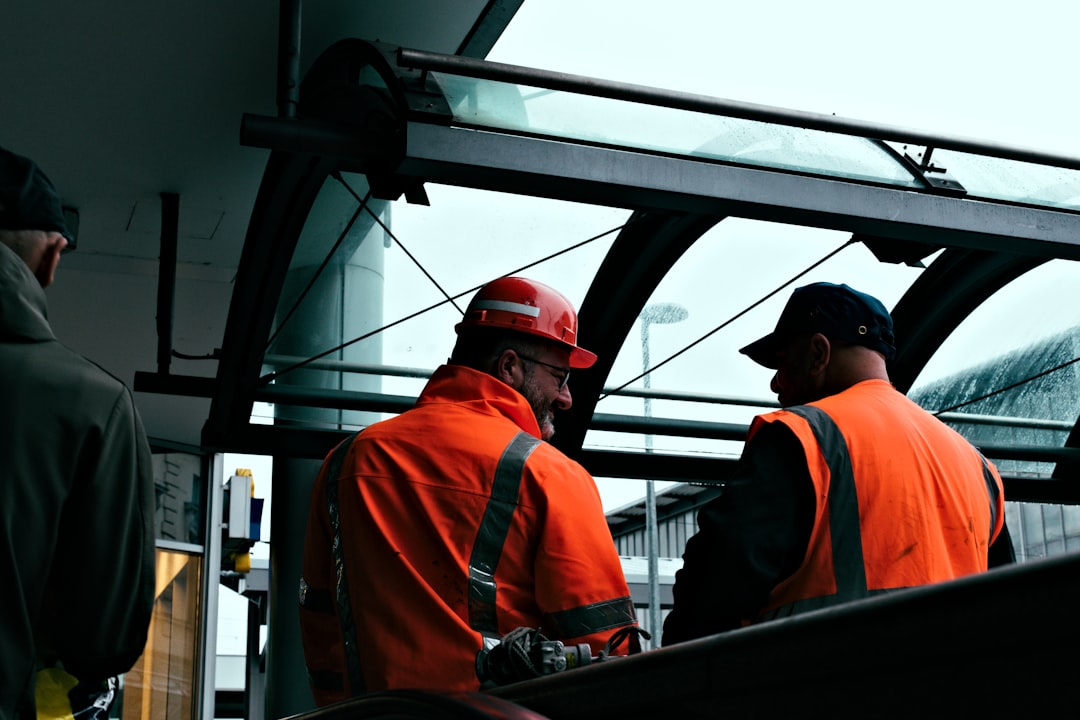
Modern building design is always a massive balancing act. Architects naturally want to push the envelope, creating sleek commercial hubs and striking flat blocks with clean lines and open layouts. But once the scaffolding comes down and a building opens, facility management has to take over the reality of looking after it. A roof isn’t just a blank canvas meant to look nice from above; it is a working zone that houses everything from massive cooling units to complex solar setups. Navigating the safety needs of these high-up spaces without ruining the visual appeal of a premium property is a tough challenge. Smart developers look ahead, weaving safety measures into the structure long before repair crews ever turn up on-site.
The subtle challenge of high altitude property management
When you are looking after a top-tier property, keeping the building exterior looking great is just as important as making sure the inside runs like clockwork. Roofs naturally get a lot of foot traffic from visiting contractors, HVAC engineers, and window cleaners. Expecting these teams to navigate open drops or complex roof shapes without a clear safety setup is a massive legal and financial risk for any property owner. At the same time, old-school, clunky safety systems can entirely ruin the clean silhouette of a modern structure. The goal for any high-end manager is to remove these height hazards entirely, ensuring routine maintenance can happen safely without ruining the design statement the building makes.
Safeguarding property perimeters without compromising style
To handle the danger of open edges along a building, the premium property market has shifted toward much smarter, low-profile barrier setups. Installing proper roof edge protection has become the standard way to keep workers safe from falls while respecting the original design of the building. Instead of using bulky permanent fixtures that mess with the facade, modern solutions use clever, modular counterweights that sit neatly out of view. This gives you total perimeter security without drilling holes into expensive, delicate roofing layers. It keeps the top of the building clean and organized, proving you do not have to sacrifice great looks to keep people completely safe.
Blending compliance with expert engineering
Making any physical changes to a property means dealing with a strict maze of building codes and safety laws. You cannot just guess when it comes to safety equipment because any setup needs to handle brutal weather and sudden impacts without failing. Partnering with established names like A2M Safety helps property developers handle the technical side of height compliance without the headache. Their practical experience ensures that safety gear is customized to fit the exact space and weight limits of your specific roof type. This professional approach to planning ensures your upgrades remain a durable, high-quality asset that protects the building for decades.
The long-term value of smart safety integration
When a property business takes a proactive look at its rooftop setup, the long-term rewards are massive. It creates a secure, professional environment where external technicians can get on with their jobs quickly and without frustrating delays. Well-planned safety access means routine checks wrap up much faster, protecting the owner from operational bottlenecks and unexpected liabilities. Moreover, a building that treats safety as part of its design looks incredibly polished to future buyers, tenants, and insurance companies. In a crowded real estate market, a well-protected, beautifully designed building stands out as a premium asset.