


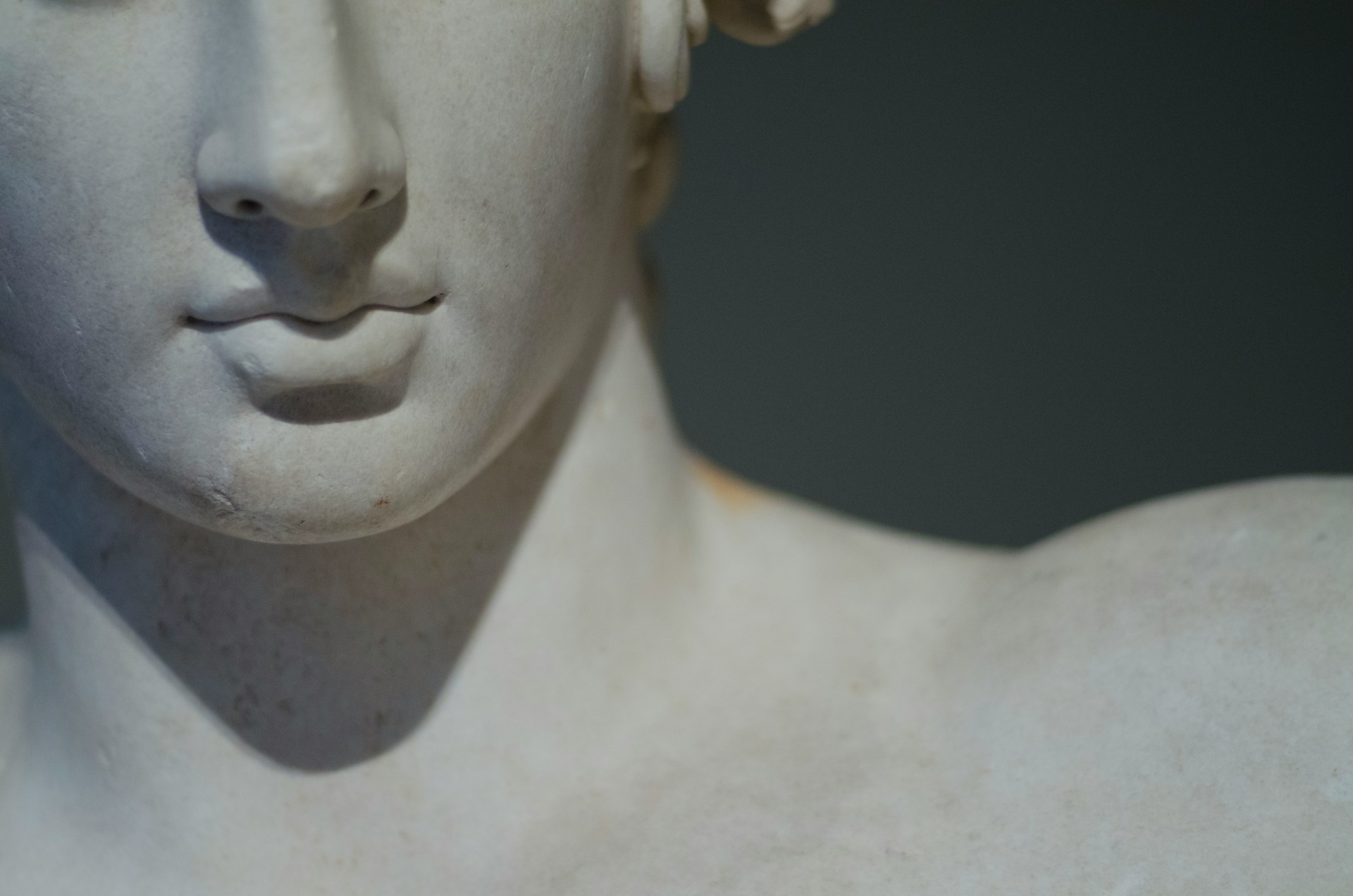
You might have noticed a growing nod to Ancient Greece in UK properties over the last few years. What began as a viral aesthetic on social media has matured into a cornerstone of high-end British interior architecture.
Today, developers and homeowners alike are moving beyond mere kitsch, integrating structural nods to antiquity – such as fluted Corinthian pilasters and grand sweeping archways – into contemporary builds. This Hellenistic resurgence represents a pivot away from the stark, clinical minimalism of the early 2020s, favouring instead a new antiquity that brings together classical order with the tactile warmth of sun-drenched Mediterranean escapism.
This style is rooted in the historical time period between the death of Alexander the Great in 323 BC and the Roman takeover of Egypt. Back then, the Hellenistic style was a melting pot of different cultures, known for its dramatic statues and detailed decorations. In 2026, this history is coming to life in UK homes by mixing ancient motifs with modern shapes. You might see weathered plaster busts placed next to sleek glass, or the famous geometric Greek key pattern woven into eco-friendly fabrics.
The trend has become popular because many of us are looking for a sense of permanence and a bit of scholarly nostalgia in our high-tech, digital world. By using the balanced look and marble-heavy colours of Ancient Greece, modern British interiors aim to feel timeless. It’s about turning busy city flats and houses into calm, classic sanctuaries that feel like they’ve been there for centuries.
Modern Heritage
Industry leaders are increasingly championing this move toward a modern heritage aesthetic in which the gap is bridged between historic soul and contemporary function. Andreas Christodoulou, founder of House of Dré, notes that UK design has pivoted away from the clinical space-age minimalism of previous decades, moving instead toward a layered approach that makes it “never easier to combine old and new.”
This is echoed by Claire Sá of De Rosee Sa, who advocates for using materials like Viola marble and textured plasters, allowing a natural lived-in appeal to develop that evokes the weathered grandeur of antiquity. Similarly, the creative team at Albion Nord – led by Ottalie Stride and Camilla Clarke – specialise in sourcing rare classical antiques to create sanctuaries rather than showpieces.
This fascination with the Hellenistic world is far from a new obsession; it represents a deep-seated cultural pull toward Greek ideals in the UK. Beyond the drawing board, this Grecian fever is visible in everything from the 20,000 visitors flocking to Worcestershire’s Festival of Greek Culture to the classical storytelling highlighted at the 2025 London Book Fair.
It is a presence felt in high fashion’s obsession with the myth of Narcissus and in the cinematic anticipation for Christopher Nolan’s upcoming take on The Odyssey. Even the iGaming sector has leaned in, with popular progressive slot machines like the Age of the Gods series, including God of Storms and King of Olympus, adapting Ancient Greek mythology for a modern, screen-based audience.
No Passing Fad
By weaving the balanced proportions of the past into the fabric of 2026, the UK property sector is proving that Hellenistic style is no passing fad. This modern heritage offers more than just aesthetic appeal; it provides a permanent, soulful anchor in an ever-changing world.