


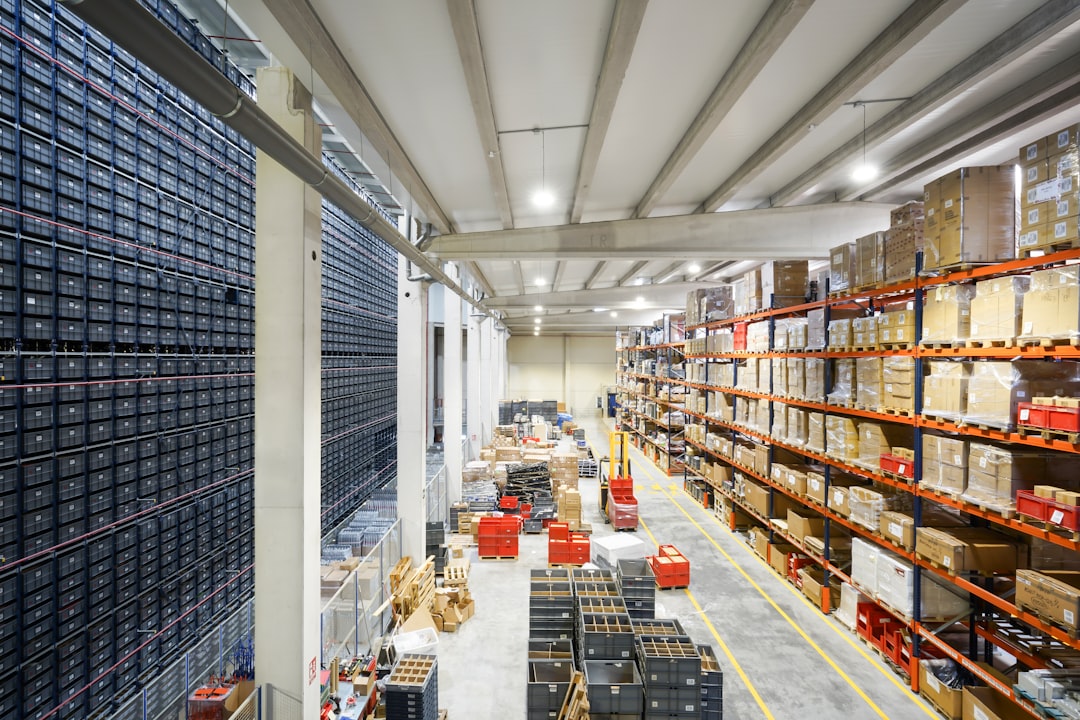
Warehouse racking is used every day to store heavy pallets, support stock movement and keep goods organised. Over time, racking can be affected by forklift impact, incorrect loading, worn components and general site activity.
Good racking maintenance helps spot problems before they become more serious. It also supports safer working conditions, reduces disruption and helps businesses protect their stock, equipment and staff.
Damage Is Not Always Obvious
Some racking damage is easy to see, such as a bent upright or twisted beam. Other issues can be harder to notice. Loose floor fixings, missing locking pins, damaged bracing or overloaded bays may not stand out during a busy shift.
This is why regular checks are important. Warehouse teams should know what signs to look for and how to report anything that appears damaged, loose or unsafe.
The Role of Regular Inspections
A proper Pallet Racking Inspection can help identify damage, check the condition of the system and highlight areas that need attention. Inspections should look at the main structural parts of the racking, including uprights, beams, bracing, baseplates, floor fixings and load notices.
Inspections also help businesses make informed decisions. Some issues may need urgent action, while others may need monitoring or planned repair work. Clear reporting helps managers prioritise the right response.
Maintenance Helps Reduce Downtime
When racking damage is found early, repairs can often be arranged before the issue causes wider disruption. This helps reduce the chance of storage locations being taken out of use at short notice.
For busy warehouses, downtime can quickly affect picking, loading and stock movement. A planned maintenance approach gives site teams more control and reduces the need for last minute workarounds.
Staff Reporting Is Part of Good Maintenance
Racking maintenance is not only about scheduled inspections. Staff should be encouraged to report damage as soon as they notice it. Forklift drivers, warehouse operatives and supervisors are often the first to spot impact damage or changes in the condition of racking.
A simple reporting process can make a big difference. If damage is recorded quickly, it can be assessed and dealt with before it is forgotten or left until the next inspection.
Repairs Should Be Carried Out Properly
If damage is found, repairs should be completed by competent people using suitable parts. Makeshift fixes should be avoided, as they may not restore the racking to a safe working condition.
Any affected racking should be assessed before it stays in use. Where there is a serious risk, the bay should be unloaded and isolated until the repair has been completed and checked.
Maintenance Supports Safer Daily Operations
A well maintained racking system helps warehouses work more safely and efficiently. It reduces the risk of avoidable damage, supports compliance and helps keep storage areas available for use.
For businesses that rely on pallet storage every day, racking maintenance should be treated as part of normal warehouse management. Regular checks, clear reporting and timely repairs all help keep the site safer and better organised.