


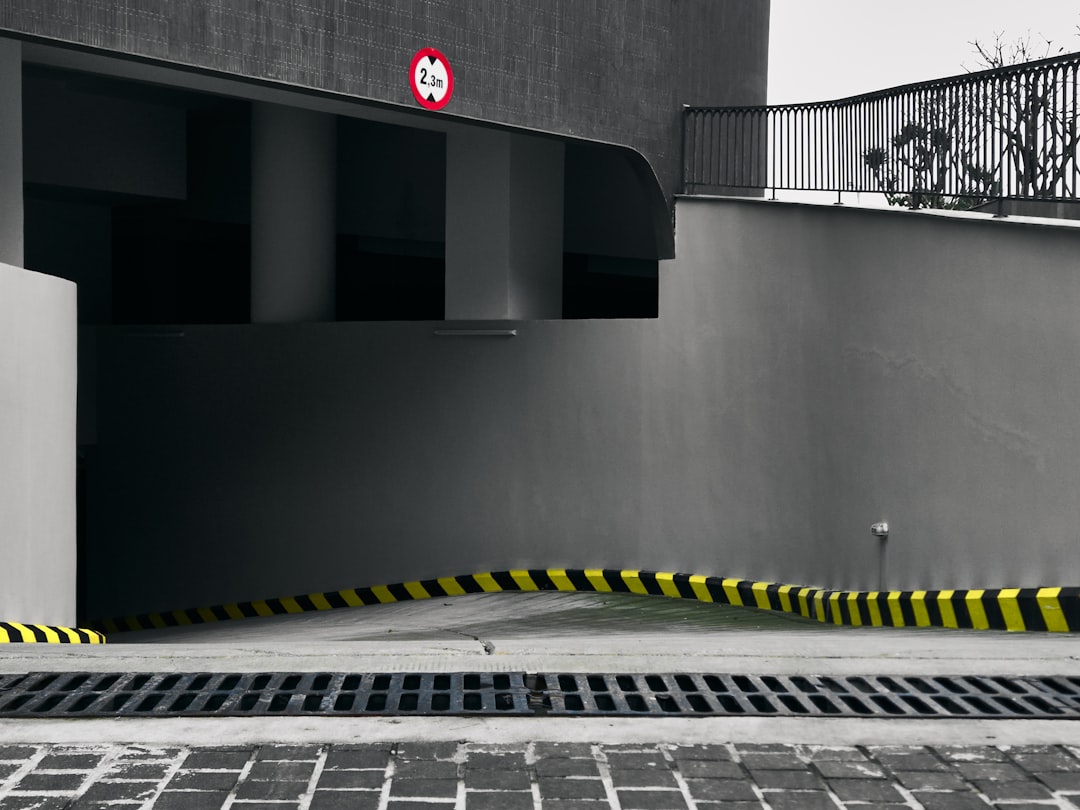
Modern architecture is a constant battle between what looks remarkable and what works in real life. Developers naturally want to push boundaries, building sleek offices and luxury flats with massive windows, open roofs, and clean lines. But once the scaffolding comes down and tenants move in, someone has to actually maintain the place. High ceilings, glass atriums, and busy rooftops require constant cleaning, repairs, and inspections. Figuring out how to keep workers safe up there without slapping ugly, industrial metal cages all over a beautiful building is a massive challenge. The smartest firms solve this early by weaving safety features directly into the property design before anyone ever grabs a tool.
The visual challenge of high altitude maintenance
If you look after a luxury building, keeping the exterior looking pristine is vital for its market value. At the same time, roofs naturally get a lot of foot traffic from air conditioning engineers, window cleaners, and surveyors. Letting these teams work near open drops or slick glass without a solid safety system is a massive legal and financial gamble. But on the flip side, bolting bulky, old-school guardrails to the edge can entirely ruin the clean silhouette of a modern structure. The goal is to eliminate these high-altitude risks entirely, making sure routine upkeep can happen safely without destroying the architectural statement the building is trying to make.
Seamless perimeter security for modern glass structures
To protect maintenance workers without ruining the look of a premium property, the market has shifted toward low-profile, integrated safety gear. Setting up specialized skylight protection is a great example of how to secure fragile glass panels from accidental falls. Instead of using heavy, dark frames that block the sun, modern covers sit neatly over vulnerable spots without drawing attention to themselves. This keeps the glass safe from a misplaced step or a dropped tool while letting natural light flood into the building below. It proves you don’t have to sacrifice a beautiful design just to stay fully compliant with safety laws.
Elevating worker safety during complex tasks
Some buildings have incredibly awkward angles, deep recesses, or towering ceilings that standard ladders can’t reach. For these tricky spots, maintenance crews need a rock-solid setup that keeps them steady without scratching expensive interior finishes. Using custom working at height platforms gives technicians a stable base to handle glass cleaning or electrical fixes efficiently. These platforms are built to fit into tight or oddly shaped spaces, letting workers do their jobs safely without the need for massive, messy scaffolding setups that disrupt the ground floor.
The long-term asset value of built-in protection
When a property business treats height safety as part of the initial design rather than an afterthought, the long-term payoffs are huge. Outside contractors can get straight to work without wasting days setting up temporary ropes or safety lines. Maintenance stays on track, repairs cost less, and the property owner is shielded from nasty legal liabilities. Plus, a building that handles its safety risks discreetly looks much more polished to high-end tenants, future buyers, and insurance companies. In a crowded real estate market, a safe, beautifully planned building is simply a far more valuable asset.