
Plant and machinery is one of those phrases that appears often in construction, property development and business accounts, but it is not always clearly explained. In simple terms, it refers to the equipment, machines and mechanical assets used to carry out work, support operations or deliver a project.
For property developers and construction firms, plant and machinery can shape how quickly a site moves from preparation to completion. The right equipment helps clear land, move materials, lift heavy loads, prepare foundations and support the many practical stages that sit behind a finished building.
It may not be the most glamorous part of development, but it is one of the most important. A project can have strong plans, funding and design, yet still lose time if the right machinery is unavailable, poorly maintained or unsuitable for the site.
Quick Answer: What Is Plant and Machinery?
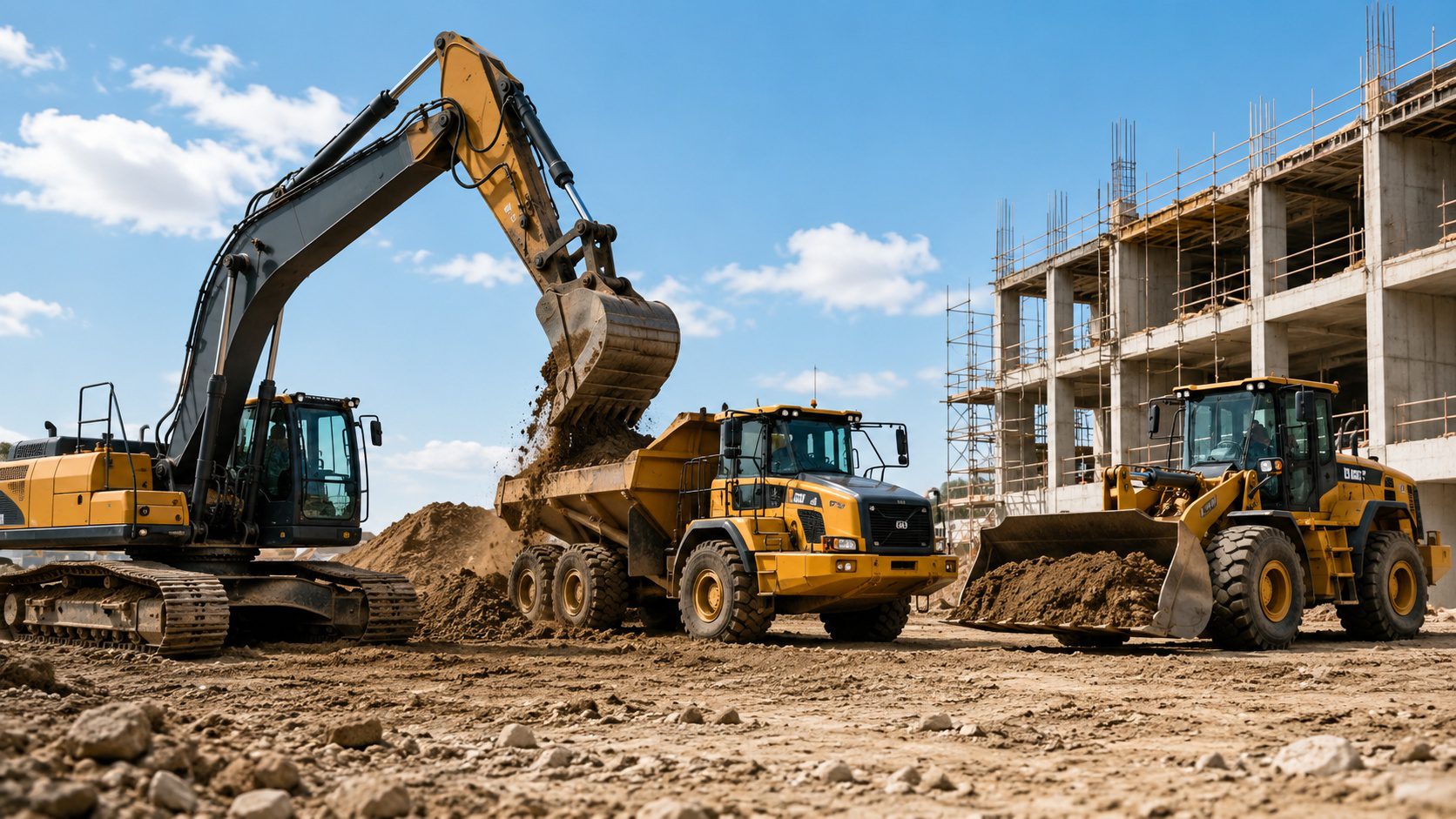
Plant and machinery means the equipment and mechanical assets used in construction, manufacturing, property development and other business operations. In construction, it can include excavators, loaders, cranes, forklifts, generators, compactors and other equipment used to carry out physical work on site.
Key Takeaways
- Plant and machinery covers equipment used to support construction, development and operational work.
- Common examples include excavators, cranes, loaders, forklifts, compactors and generators.
- Choosing the right machinery can improve safety, efficiency and project delivery.
- Poor equipment planning can create delays, higher costs and avoidable downtime.
- Maintenance, servicing and operator training are just as important as the machines themselves.
Quick Facts
| Item | Explanation |
| Main meaning | Equipment and mechanical assets used for work or operations |
| Common sectors | Construction, property, infrastructure, manufacturing and logistics |
| Typical examples | Excavators, loaders, cranes, forklifts and generators |
| Main benefit | Supports faster and safer project delivery |
| Key risk | Delays or downtime if equipment is unavailable or poorly maintained |
Why Plant and Machinery Matter in Construction
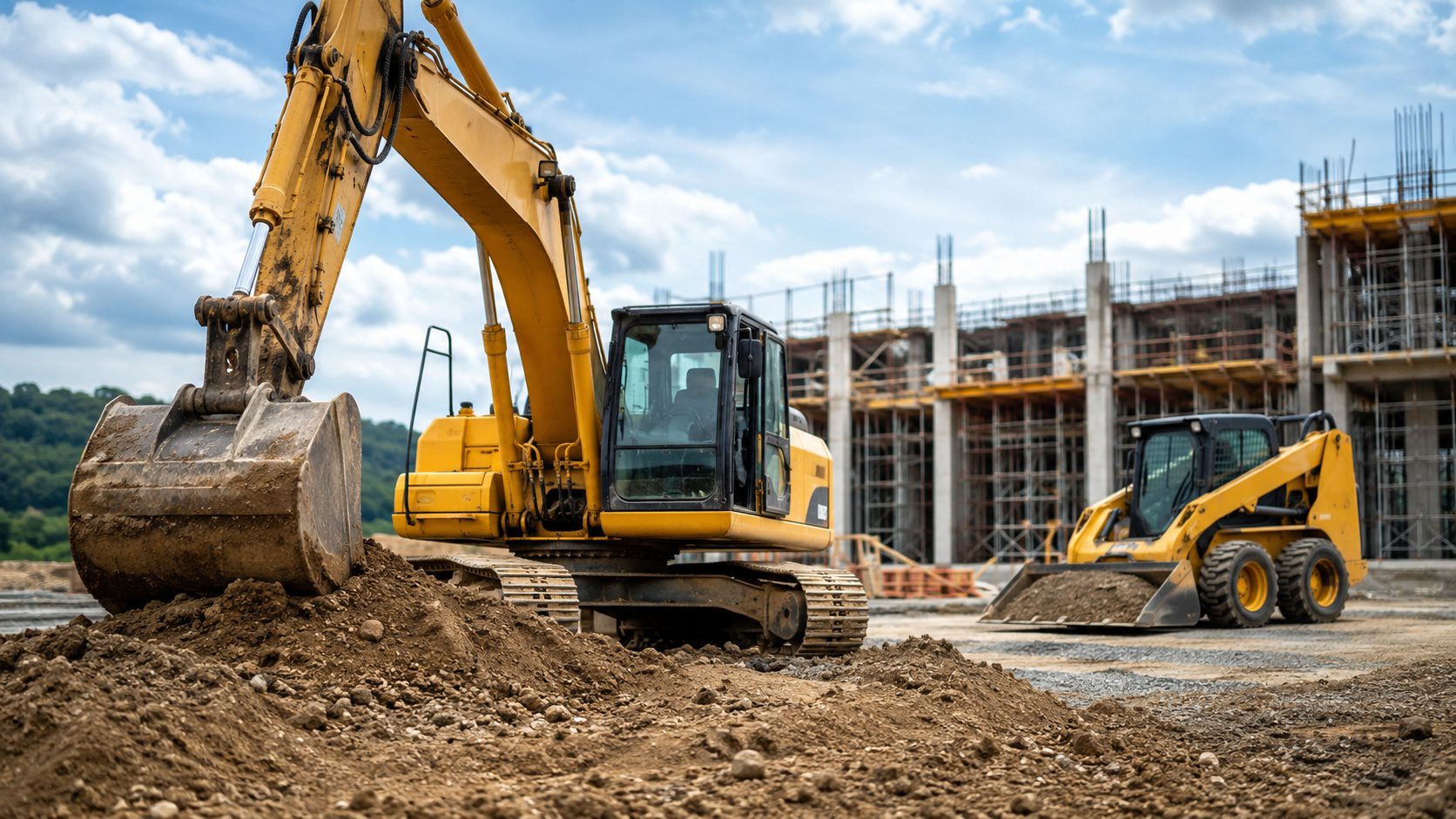
Construction is a chain of practical steps. Ground needs to be prepared before foundations can begin. Materials need to move before structures can rise. Heavy components need lifting before they can be fixed in place. Plant and machinery make those stages possible.
Without the right equipment, work slows down quickly. A task that could take hours with a machine might take days with manual labour. That delay can then affect contractors, delivery schedules and the overall cost of the project.
This is why plant and machinery should be considered early in the planning stage, not left as a last-minute site issue. Developers and contractors need to know what machines are required, when they are needed and whether they can be hired, purchased or supplied on time.
Common Types of Plant and Machinery
Different projects need different equipment. A small residential site will not need the same machinery as a large commercial development or infrastructure scheme. However, some types appear regularly across building and property work.
Excavators
Excavators are used for digging, trenching, earthmoving and site preparation. They are common on construction sites because they can handle heavy groundworks with speed and accuracy.
Loaders
Loaders help move soil, gravel, rubble and other materials around a site. They are useful where large volumes of material need to be handled efficiently.
Cranes and Lifting Equipment
Cranes, hoists and other lifting equipment are used when materials or structural elements need to be moved vertically or placed with care. They are especially important on larger or taller developments.
Forklifts and Telehandlers
Forklifts and telehandlers support material handling. They help move pallets, building supplies and equipment across busy sites, warehouses or storage areas.
Compactors and Rollers
Compactors and rollers are used to prepare ground surfaces, roads, paths and foundations. They help create stable surfaces before further construction work begins.
Generators and Site Power Equipment
Generators provide temporary power where permanent electricity is not yet available. They are often essential during early construction stages or on remote sites.
Buying, Hiring or Leasing Equipment
Not every business needs to own every machine. For many contractors and developers, hiring plant and machinery can be more practical than buying it outright. Hire gives access to equipment when needed without the long-term cost of ownership.
Buying may make sense for companies that use the same equipment regularly. Leasing can sit between the two, offering longer-term access without a full upfront purchase. The right choice depends on project frequency, budget, maintenance capacity, and how specialist the equipment is.
What to Consider Before Choosing Plant and Machinery
The best machine is not always the biggest or most expensive. It is the one that suits the project, site conditions and working schedule.
- Site size and access restrictions
- Ground conditions and weather exposure
- Weight, reach and lifting requirements
- Fuel use and running costs
- Availability of trained operators
- Maintenance and servicing support
- Delivery times and hire periods
- Health and safety requirements
Plant and Machinery Maintenance
Maintenance is a major part of equipment planning. A machine that breaks down at the wrong moment can stop an entire stage of work. Regular servicing, inspection and correct operation reduce that risk.
Good maintenance also protects safety. Machinery is powerful, heavy and often used in demanding conditions. Keeping it in reliable working order helps protect operators, site teams and the project itself.
How Plant and Machinery Affect Project Costs
Plant and machinery can have a direct impact on project costs. Hire charges, fuel, transport, servicing, insurance and operator costs all need to be included in the budget.
At the same time, the right equipment can reduce labour time and improve productivity. A well-planned machinery strategy may cost money upfront, but it can save more by avoiding delays and improving site efficiency.
Plant and Machinery in Property Development
In property development, machinery supports the work that happens before a building is ready to be seen. It helps with land clearance, drainage, foundations, access routes, material handling and site logistics.
For developers, understanding machinery needs can make project planning more realistic. It helps avoid underestimating timelines, site constraints, or contractor requirements. It also makes it easier to compare quotes and assess whether a contractor has the right resources for the job.
Simple Checklist for Developers and Contractors
| Question | Why It Matters |
| What equipment is needed? | Helps plan the work sequence properly |
| Is the site easy to access? | Affects delivery and machine size |
| Is hire or purchase better? | Controls cost and long-term commitment |
| Are trained operators available? | Supports safety and productivity |
| Is servicing support nearby? | Reduces downtime risk |
| Has equipment cost been budgeted? | Prevents unexpected project pressure |
Final Thoughts
Plant and machinery may sit behind the scenes, but it plays a central role in construction and property development. It helps turn plans into practical progress, from groundworks to lifting, movement, power and site preparation.
For developers, contractors and investors, the lesson is simple: equipment planning matters. The right machinery can improve delivery, protect budgets and reduce avoidable delays. The wrong choice, or poor access to equipment, can slow a project before it has properly begun.
For more construction and property updates, explore the latest plant and machinery stories on PAD Magazine.
FAQs
What is plant and machinery?
Plant and machinery refers to equipment and mechanical assets used to carry out work. In construction, this can include excavators, cranes, loaders, forklifts, compactors and generators.
What is the difference between plant and machinery?
The terms are often used together. Plant usually refers to larger site equipment or fixed operational assets, while machinery can refer more broadly to mechanical equipment used for specific tasks.
Why is plant and machinery important in construction?
It helps complete heavy, repetitive or specialist tasks more efficiently. It can improve speed, safety and productivity on construction sites.
Should construction firms buy or hire plant and machinery?
It depends on how often the equipment is used. Hiring can suit short-term projects, while buying may work better for businesses that need the same machinery regularly.
What are examples of plant and machinery?
Examples include excavators, bulldozers, loaders, cranes, forklifts, telehandlers, compactors, rollers and generators.
How does machinery affect project costs?
Machinery affects costs through hire, purchase, fuel, transport, maintenance and operators. However, the right equipment can also reduce delays and improve efficiency.