



The words sound technical, but the principle is simple. Freehold usually gives you ownership of the property and the land it sits on. Leasehold gives you ownership of the property for a fixed number of years under a lease, while another party owns the freehold. That difference can shape how a home is managed, what you pay for, and what you may need permission to change.
Quick Answer: What Is the Difference Between Leasehold and Freehold?
Freehold means you own the property and the land it is built on, with no lease running down. Leasehold means you own the right to live in or use the property for the length of the lease, but the land and wider building may be owned by a freeholder. In practice, freehold often gives more control, while leasehold can involve ground rent, service charges, permissions and lease terms that buyers should check carefully.
Key Takeaways
- Freehold usually gives stronger ownership and control over the property and land.
- Leasehold ownership lasts for the number of years set out in the lease.
- Most flats in England and Wales are leasehold, while houses are more often freehold.
- Leasehold buyers should check lease length, ground rent, service charges and restrictions.
- A short lease can affect mortgage options, resale value and future costs.
- Rules and common property ownership structures can differ across the UK, so buyers should take proper legal advice.
Quick Facts
| Point | Freehold | Leasehold |
| Ownership | Property and land | Property for a fixed lease term |
| Time limit | No lease expiry | Lease runs down over time |
| Common property type | Often houses | Often flats |
| Ongoing charges | Owner handles own costs | May include service charges and ground rent |
| Control | Usually more control | May require permissions under the lease |
| Buyer checks | Title, boundaries and responsibilities | Lease length, charges, restrictions and management |
What Is Freehold?
Freehold is usually the simpler form of ownership. If you buy a freehold property, you own the building and the land it stands on. There is no lease counting down, and you do not pay ground rent to a freeholder.
That does not mean a freehold home has no costs. You are still responsible for maintenance, repairs, insurance and the land attached to the property. If the roof needs work, the fence needs replacing or the drainage needs attention, those costs sit with you. The benefit is control: you are generally making those decisions for your own property, subject to planning rules, building regulations and any legal restrictions on the title.
What Is Leasehold?
Leasehold means you own the property for a fixed period, as set out in the lease. The freeholder, sometimes called the landlord in legal documents, owns the land and may also own the structure or communal parts of the building.
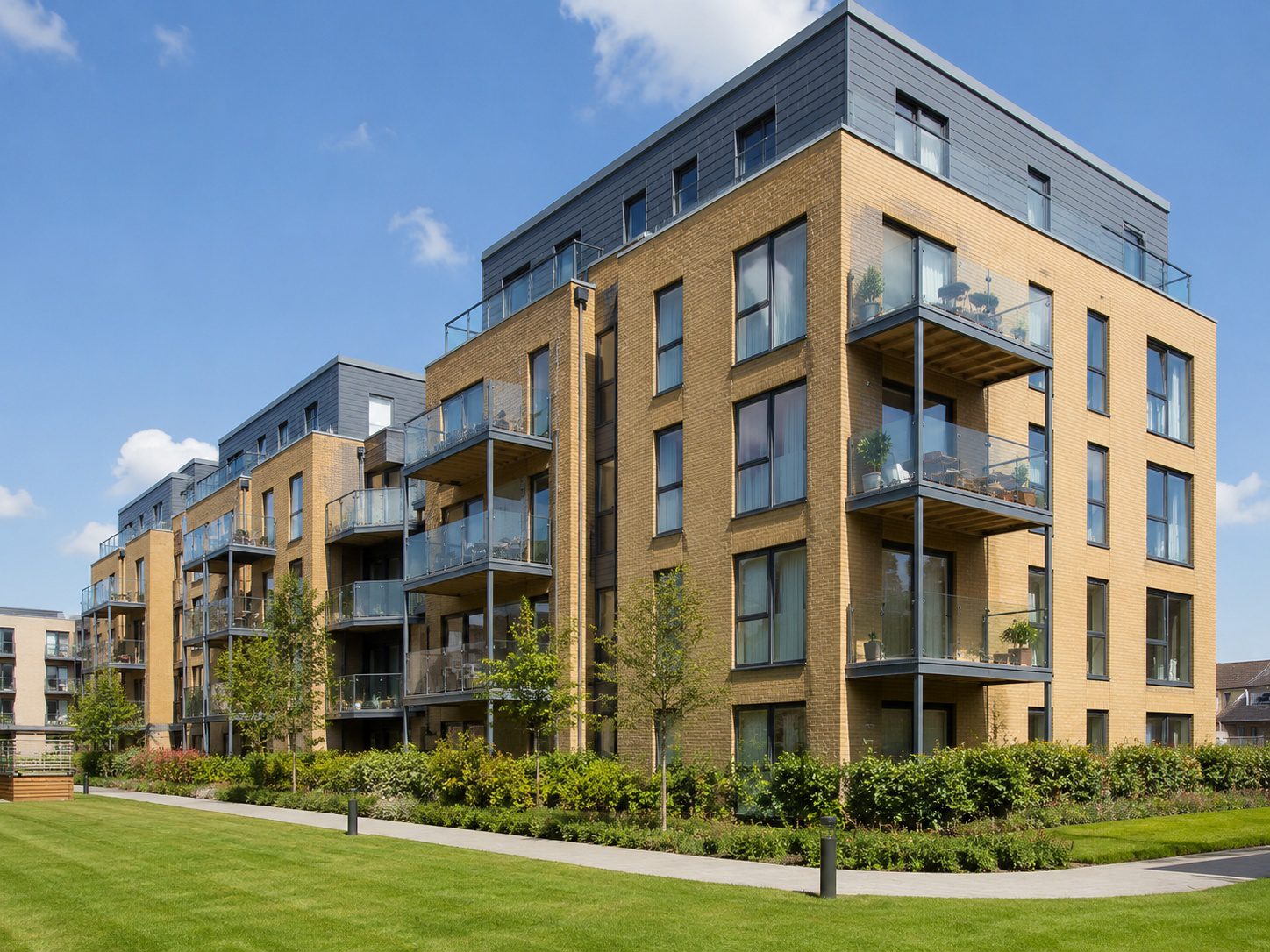
This is common with flats because several homes sit within one building. Someone has to manage the roof, hallways, foundations, shared gardens, lifts, insurance and external repairs. Leaseholders usually contribute to those shared costs through service charges.
A lease can last for decades or centuries, but it is still a wasting asset because the remaining term reduces over time. A lease with a long-term may feel straightforward. A lease with a shorter remaining term can become more difficult to sell or mortgage, and extending it may involve cost and legal work.
Leasehold vs Freehold: The Main Differences
The biggest difference is control. A freeholder usually has direct control over the property and land. A leaseholder has rights set out in the lease, but also obligations and restrictions.
For example, a leasehold flat owner may need consent before making structural changes, replacing windows or subletting. They may also need to follow building rules on pets, flooring, noise or short-term lets. These terms are not always a problem, but they should be understood before buying.
The second major difference is cost. Freeholders pay their own repair and upkeep costs directly. Leaseholders may pay service charges for shared building costs, ground rent if the lease includes it, and sometimes administration fees for permissions or documents.
Costs Buyers Should Understand
Ground Rent
Ground rent is a payment that may be required under a lease. It is separate from service charges and does not usually pay for maintenance. Buyers should check how much it is, whether it increases and whether recent rules affect the property they are buying.
Service Charges
Service charges are used to cover the cost of maintaining, repairing and managing shared parts of a building or estate. These can include cleaning, lighting, insurance, lifts, gardens, management fees and major works. The key issue is not only the current amount, but whether there is a history of sharp increases or large planned works.
Reserve Funds and Major Works
Some buildings collect money into a reserve or sinking fund to help pay for future repairs. That can be helpful, but buyers should still ask what major works are expected. A flat that looks affordable at purchase can become expensive if roof repairs, cladding works or lift replacements are due soon after completion.
Is Freehold Always Better?
Freehold is often preferred because it usually offers more control and fewer lease-related complications. For houses, it is normally the cleaner option for many buyers.
However, freehold is not automatically perfect. Some new-build estates include estate charges for maintaining private roads, landscaped areas or shared facilities. Buyers should still check the title, estate obligations and any management company arrangements.
Leasehold can also work well when the lease is long, the building is properly managed, charges are reasonable and the buyer understands the terms. Many flats are leasehold because shared buildings need shared management. The aim is not to avoid leasehold at all costs, but to know exactly what is being bought.
What Buyers Should Check Before Buying a Leasehold Property
- How many years are left on the lease?
- How much is the ground rent, and does it increase?
- What are the current service charges?
- Are there planned major works or disputes in the building?
- Who manages the property, and how well is it maintained?
- Are there restrictions on pets, letting, alterations or flooring?
- Is there a reserve fund, and what does it cover?
- Will the lease terms be acceptable to mortgage lenders?
A good solicitor should review the lease, management pack and title documents carefully. Buyers should read the findings, not just wait for a summary at the end of the process.
What About Share of Freehold?
Share of freehold is often seen as a middle ground for flats. In simple terms, the flat is still usually owned on a leasehold basis, but the leaseholders also jointly own the freehold of the building through a company or shared arrangement.
This can give owners more influence over management, insurance and repairs. It does not remove every responsibility. Owners still need to cooperate, follow leases, manage accounts and make decisions properly. A badly managed share of freehold can still cause problems, while a well-managed one can be a real advantage.
Leasehold Reform and Why Buyers Should Stay Alert
Leasehold rules have been under political and legal scrutiny for several years, particularly around ground rents, service charges and the rights of leaseholders. Reforms are changing parts of the landscape, but buyers should not rely on headlines alone.
The practical advice remains the same: check the actual lease, the charges, the remaining term and the management position of the building you are buying. Property law can change, but the details of the individual property still matter.
Which Is Better for UK Buyers?
For many buyers, freehold is easier to understand and gives more independence. It is often the preferred option for houses. Leasehold needs more checking, but it can still be suitable, especially for flats in well-managed buildings with long leases and fair charges.
The right choice depends on the property, the buyer’s budget, the lease terms and the level of responsibility the buyer is comfortable taking on. A cheaper leasehold flat may still be a good purchase if the numbers and documents are sound. A freehold house may still come with maintenance costs that need careful budgeting.
The real risk is not leasehold itself. It is buying without understanding the obligations attached to it.
Final Thoughts
Leasehold vs freehold is one of the most important ownership differences UK buyers need to understand. It affects control, costs, resale, responsibilities and peace of mind.
Freehold usually offers clearer ownership. Leasehold can be more complex, especially where charges, lease length or building management are uncertain. Before committing to a property, buyers should ask direct questions, read the documents and take proper legal advice.
For more property guidance and buyer-focused updates, explore the latest property stories on PAD Magazine.
FAQs
What is the main difference between leasehold and freehold?
Freehold means you own the property and the land. Leasehold means you own the property for a fixed period under a lease, while another party owns the freehold.
Is leasehold bad?
Not always. Leasehold can work well for flats and managed buildings, but buyers need to check lease length, service charges, ground rent and restrictions carefully.
Why are many flats leasehold?
Flats are often leasehold because the building has shared parts, such as roofs, hallways, gardens, lifts and insurance, which need collective management.
Can a leasehold property lose value?
A leasehold property can become harder to sell or mortgage if the lease becomes short or if charges are high. This is why the remaining lease term matters.
Do freeholders pay service charges?
Traditional freehold owners do not usually pay leasehold service charges, but some freehold properties on private estates may have estate charges or management fees.
Should I buy a leasehold property?
It depends on the lease terms, costs, building management and your long-term plans. A solicitor should check the lease before you commit.