


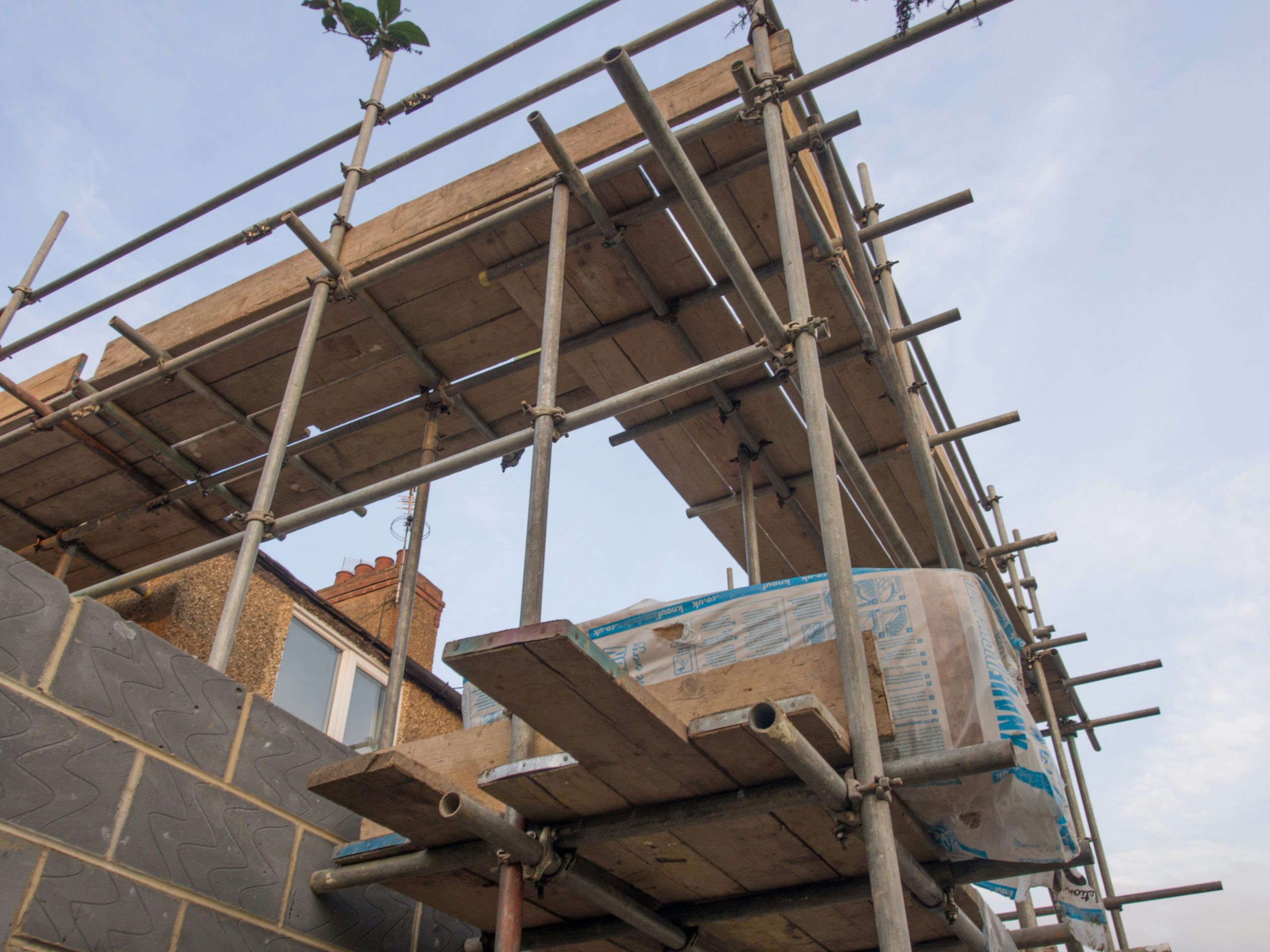
Scaffolding doesn’t get much attention until it’s blocking your street. Then suddenly everyone has opinions about it. But in a city like Birmingham — dense, busy, constantly being rebuilt and maintained — scaffolding Birmingham projects are far more complex than they appear from the pavement.
Here’s what’s actually involved.
What Scaffolding Is Really For
The basic function is obvious: give workers safe access to height. But modern scaffolding is an engineered system, not just a stack of poles. It protects workers from falls, supports tools and materials at height, provides stable working platforms, and keeps construction sites compliant with UK health and safety law.
In a city environment, that system gets customised constantly — around tight access points, busy roads, neighbouring buildings, and pedestrian routes that can’t simply be closed for weeks at a time.
Why Scaffolding Birmingham Projects Require Careful Planning
Open-site scaffolding is relatively straightforward. Urban scaffolding is not. Birmingham brings a specific set of complications: narrow streets in older residential areas, high pedestrian footfall in commercial zones, ongoing redevelopment that means multiple contractors often working in close proximity.
Add local authority permits, traffic management requirements, and the need to coordinate with neighbouring buildings and businesses — and the planning involved before a single pole goes up becomes substantial. Getting that planning wrong costs time, money, and sometimes safety.
The Main Types of Scaffolding in Use
Different projects need different systems. Supported scaffolding — built from the ground using poles and platforms — is the most common, covering most residential and smaller commercial jobs. Suspended scaffolding hangs from the top of a structure and can be raised or lowered, making it practical for high-rise maintenance where ground access isn’t the priority.
Cantilever systems project outward from the building itself, useful where street-level space simply isn’t available. Mobile scaffold towers handle smaller, shorter-term tasks — internal work, quick external repairs, situations where a full erected structure would be disproportionate.
The right choice depends on building height, access constraints, and what the work actually requires. A good scaffolding provider won’t default to one system for everything.
Safety: Non-Negotiable, and Heavily Regulated
UK scaffolding operates under strict health and safety legislation, and for good reason. Certified scaffolders, regular inspections before and during use, load-bearing calculations for every platform, secure anchoring, guardrails, toe boards — these aren’t optional extras. They’re legal requirements.
In Birmingham, where scaffolding regularly interfaces with public spaces, compliance matters beyond the worksite itself. A structure that fails on a quiet rural site is serious. One that fails on a busy city street is a different order of problem entirely.
The Cost Conversation
Scaffolding costs vary considerably, and urban projects consistently sit at the higher end of that range. Height and structure size are obvious drivers. Less obvious are the urban-specific additions: traffic management, council permits, logistics in tight spaces, and the time cost of more complex installation.
Cheap scaffolding quotes in a city environment deserve scrutiny. Cutting corners on specification or safety compliance creates liability that costs far more than the saving.
How the Industry Is Changing
Lightweight modular systems have made assembly faster without sacrificing structural integrity. Digital planning tools now allow scaffold designs to be mapped against building plans and site conditions before installation begins — catching problems early rather than mid-project. Reusable materials have reduced the environmental footprint of temporary structures that previously generated considerable waste.
Safety harness integration has improved. Load distribution systems have become more sophisticated. The scaffolding industry looks quite different from how it operated even fifteen years ago, and Birmingham’s construction sector has largely kept pace.
Choosing the Right Provider
Industry certifications matter. So does experience with comparable projects — a provider that handles residential extensions competently may not have the logistics capability for a multi-storey commercial job in the city centre. Insurance coverage, risk management processes, and a track record of reliable delivery are all worth checking before committing.
The practical question is straightforward: can this provider manage the complexity of a Birmingham urban project, meet the safety requirements, handle the permits, and deliver on time? References from similar projects answer that better than any sales conversation.
Where It’s All Heading
Digital modelling will become standard for scaffold design. Sensor-based safety monitoring — tracking load, movement, and structural integrity in real time — is already emerging and will likely spread. Faster installation systems will reduce how long scaffolding occupies public space, which matters in a city where street occupation has real economic consequences for surrounding businesses.
Scaffolding isn’t glamorous. But in a city that’s constantly building, repairing, and reinventing itself, it’s what makes everything else possible.