


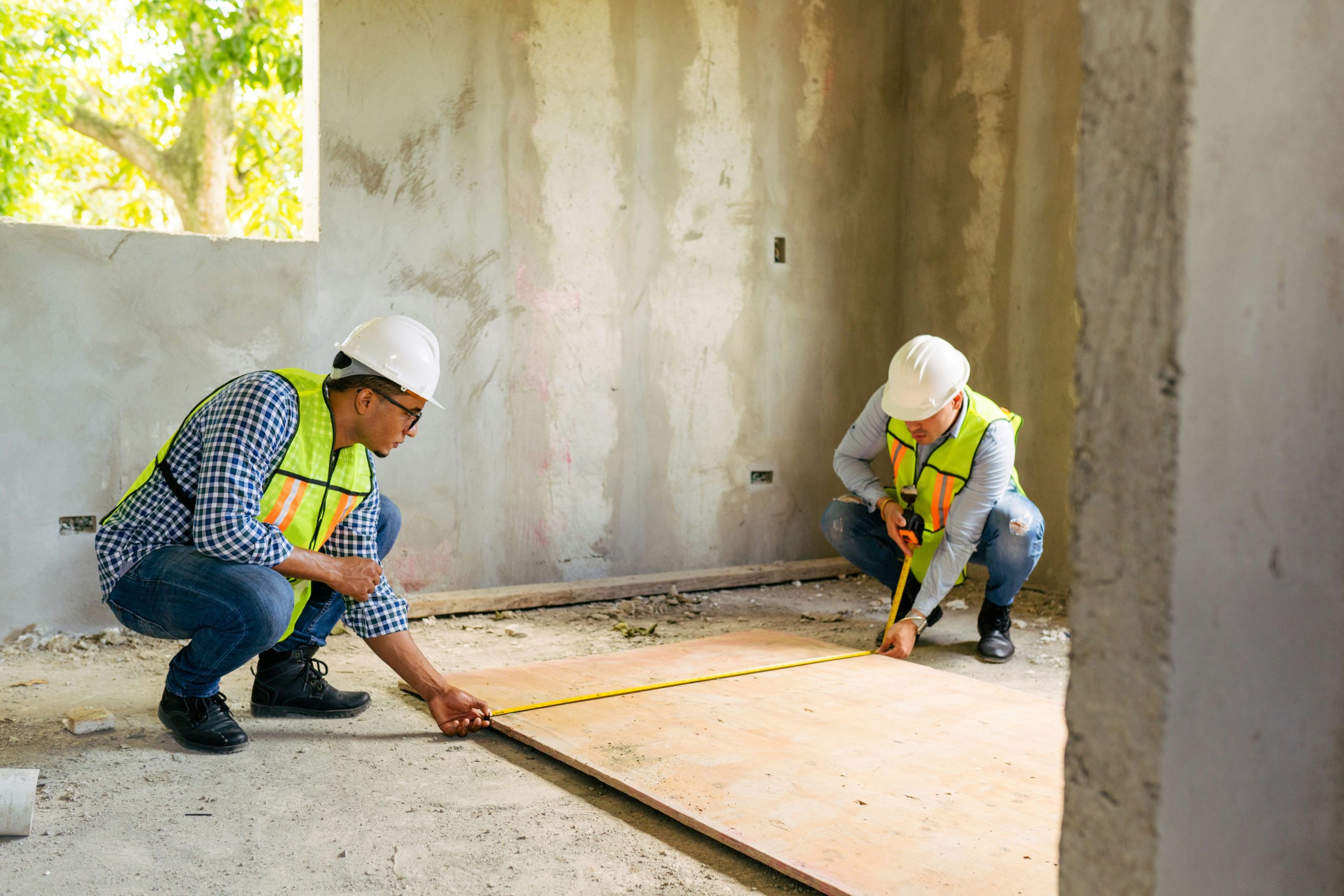
Hereford is a city that doesn’t sit still. Historic buildings on one street, new housing developments on the next, rural properties spreading out across the surrounding countryside. Builders in Hereford work across all of it — and the variety demands a different kind of adaptability than you’d find in a straightforward urban construction market.
Here’s what to understand before hiring anyone.
What the Work Actually Covers
Local builders aren’t just putting up new houses. The work spans home extensions and loft conversions, structural repairs, full renovations, commercial refurbishments, groundworks, agricultural buildings, and property maintenance across a wide range of building types and ages.
That last point matters in Hereford specifically. A contractor comfortable with modern new-build methods may struggle with a 300-year-old timber-framed property. A specialist in heritage restoration may be overkill for a straightforward kitchen extension. Matching the builder to the project type is the first and most important decision.
The Different Types of Builders Operating Locally
Smaller local firms tend to handle domestic projects — extensions, renovations, general improvements. More personalised, more flexible when plans change mid-project. Often the right choice for residential work where the relationship with the people actually doing the job matters.
Medium-sized contractors handle larger residential developments and smaller commercial projects. Typically have in-house teams and established supply chains, which helps with scheduling and material costs. Less flexible, but more capacity.
Specialist firms cover heritage restoration, eco-builds, and structural engineering work. Given how much of Hereford’s character comes from its historic architecture, specialist knowledge isn’t a luxury on certain projects — it’s a requirement.
Why Hereford’s Planning Environment Is Genuinely Different
Conservation areas and listed buildings change everything. Materials, methods, design options — all of these can be restricted or require specific approval that wouldn’t apply elsewhere. Builders in Hereford who’ve worked with the local planning authority understand this landscape. Those who haven’t can cause expensive delays.
For any project touching a listed building or sitting within a conservation area, local planning experience isn’t a nice-to-have. It’s the thing that determines whether a project moves forward on schedule or stalls in approval processes.
What to Actually Check Before Hiring
Past work on comparable projects — not a portfolio curated for the website, but references you can actually call. Familiarity with local planning requirements. Clear communication from the first conversation; if getting a straight answer is difficult at the quote stage, it doesn’t improve once work starts.
Check how they handle subcontractors too. Some builders in Hereford operate with a small core team and bring in trades as needed. That’s fine — common, even — but you want to know who’s actually on your site and how they’re managed.
The Real Challenges in the Local Market
Skilled labour availability is tight across UK construction broadly, and Hereford isn’t exempt. Specialist trades — particularly those with heritage restoration experience — are in short supply. This affects both availability and pricing, and it’s worth factoring into project timelines rather than being surprised later.
Material costs fluctuate. Supply chain delays have become a routine planning consideration rather than an exceptional event. Experienced building contractors in Hereford build contingency into their project schedules for this reason. Be wary of anyone who doesn’t.
Planning constraints add time. Conservation rules, listed building requirements, rural planning policies — these processes take as long as they take, and rushing them doesn’t work. Build the timeline around realistic approvals, not optimistic ones.
Where the Industry Is Moving
Energy efficiency has shifted from an optional upgrade to a client expectation. Insulation improvements, modern heating systems, sustainable materials — builders who haven’t developed competency here are losing work to those who have.
Off-site construction and prefabricated components are gaining ground on projects where efficiency matters more than bespoke detailing. Smart home integration — automated heating, lighting, security — is becoming standard on new builds and increasingly common on renovations.
The Cost, Quality, Time Triangle
Every experienced builder will explain this upfront: these three factors are linked, and adjusting one affects the others. A faster timeline costs more or accepts lower specification. A tighter budget takes longer or compromises finish quality. Higher specification costs more and often takes longer.
That’s not negotiation tactics — it’s construction reality. Builders in Hereford worth hiring will have this conversation honestly before work starts. The ones who promise everything at the lowest price and fastest timeline are the ones worth avoiding.
Get the scope documented clearly. Agree milestones. Maintain communication throughout. The projects that go smoothly are almost always the ones where expectations were set correctly at the start.