


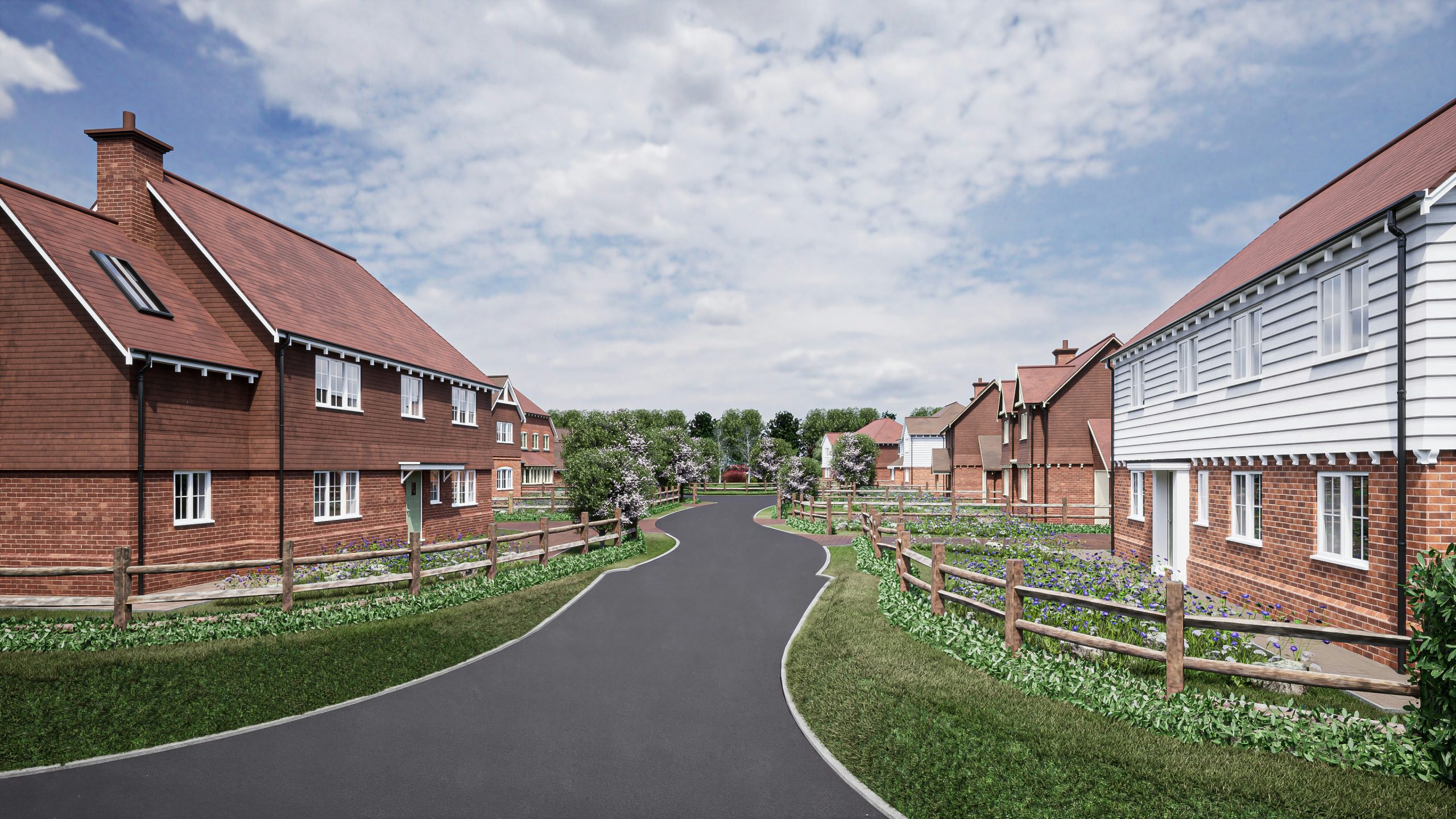
Most people understand buying land. Most people understand building on it. What happens in between — the years of planning strategy, risk, negotiation, and policy navigation — is where land promotion lives, and it’s a process that shapes far more of the built environment than most people realise.
Here’s how it actually works.
What Land Promotion Is
Land promotion is the process of identifying land with development potential and actively working to secure planning permission on it — before any construction begins. The goal is to unlock value. Raw agricultural land or an unused plot becomes a site with planning consent, and that transformation can multiply its worth significantly.
A land promoter typically works under a legal agreement with the landowner, covering the costs and risks of the planning process themselves. If permission is granted and the land sells, the resulting value uplift gets shared between both parties according to that original agreement. The landowner takes no financial risk. The promoter takes all of it — balanced by the potential reward if everything goes to plan.
The Process, Stage by Stage
It starts with site identification. Location, accessibility, nearby infrastructure, environmental constraints, local housing demand, alignment with planning policy — all of this gets assessed before any commitment is made. Many sites get rejected here. Not all land is suitable for promotion, and good promoters know the difference early.
Once a viable site is identified and the legal agreement with the landowner is in place, a planning strategy gets built. Environmental impact assessments, transport studies, community consultations, design and layout proposals — the goal is demonstrating that the proposed development is suitable, sustainable, and consistent with local planning policy.
Then comes submission and negotiation. Planning applications rarely sail through without amendment. Officers raise concerns, residents object, conditions get attached. The promoter navigates all of it, adjusting the application where needed while protecting the core case for development.
If permission comes through, land value increases — often dramatically. The site typically sells to a developer, proceeds get distributed per the agreement, and construction begins under someone else’s management entirely.
Why It Matters
Without land promotion, many viable development sites would sit unused for years. Landowners often lack the expertise, resources, or appetite to navigate planning themselves. Promoters bridge that gap — identifying potential, funding the process, and absorbing the risk that planning might not come through.
The contribution to housing supply is real. By preparing suitable sites and moving them through the planning system, promoters help increase the pool of developable land available to housebuilders. In a country with persistent housing shortages, that function has genuine economic and social significance.
The Challenges Are Substantial
Planning permission is never guaranteed. Local authorities balance housing need against environmental protection, infrastructure capacity, and community feedback — and those competing pressures don’t always resolve in a promoter’s favour.
Timeframes are long. From initial assessment to final approval, land promotion routinely takes several years. Returns are delayed and uncertain throughout. Policy changes — shifts in national planning frameworks or local development plans — can alter a site’s prospects entirely, sometimes after significant investment has already been made.
Community resistance adds another variable. Local opposition influences planning decisions, particularly around traffic impact, landscape change, and the character of existing settlements. Managing that stakeholder dynamic is part of the job.
The Financial Logic for Landowners
The arrangement works for landowners precisely because the risk sits elsewhere. No upfront costs, no planning expertise required, no exposure if the application fails. The potential for significant land value increase — from agricultural rates to residential development value — creates a compelling case for engaging with the process.
For promoters, the calculation runs the other way. Speculative investment in surveys, consultants, planning applications, and potentially years of negotiation — all without certainty of outcome. The reward for successful sites needs to justify the losses on those that don’t make it through.
What Shapes Outcomes
Planning policy is the dominant factor. Sites that align with local development plans and national planning frameworks have materially better prospects than those outside designated growth areas. Understanding that policy environment — and how it’s likely to evolve — is core to good promotion strategy.
Professional expertise matters enormously too. Planning consultants, surveyors, environmental specialists, transport engineers, legal advisors — successful land promotion requires all of them working toward a coherent case. Weak technical evidence or poor stakeholder management can undermine otherwise viable sites.
Where the Sector Is Heading
Biodiversity net gain requirements, energy efficiency standards, and reduced carbon impact expectations are increasingly shaping what gets approved. Infrastructure assessment — transport capacity, healthcare provision, education — carries more weight in planning decisions than it did a decade ago.
Digital planning tools have improved how promoters assess sites and present their cases. Better mapping, data modelling, and analysis make the front-end evaluation more accurate and the planning submission more compelling.
Housing demand pressures show no sign of easing. That underlying dynamic keeps interest in land promotion strong — and makes the ability to navigate the planning system effectively more valuable than ever.