


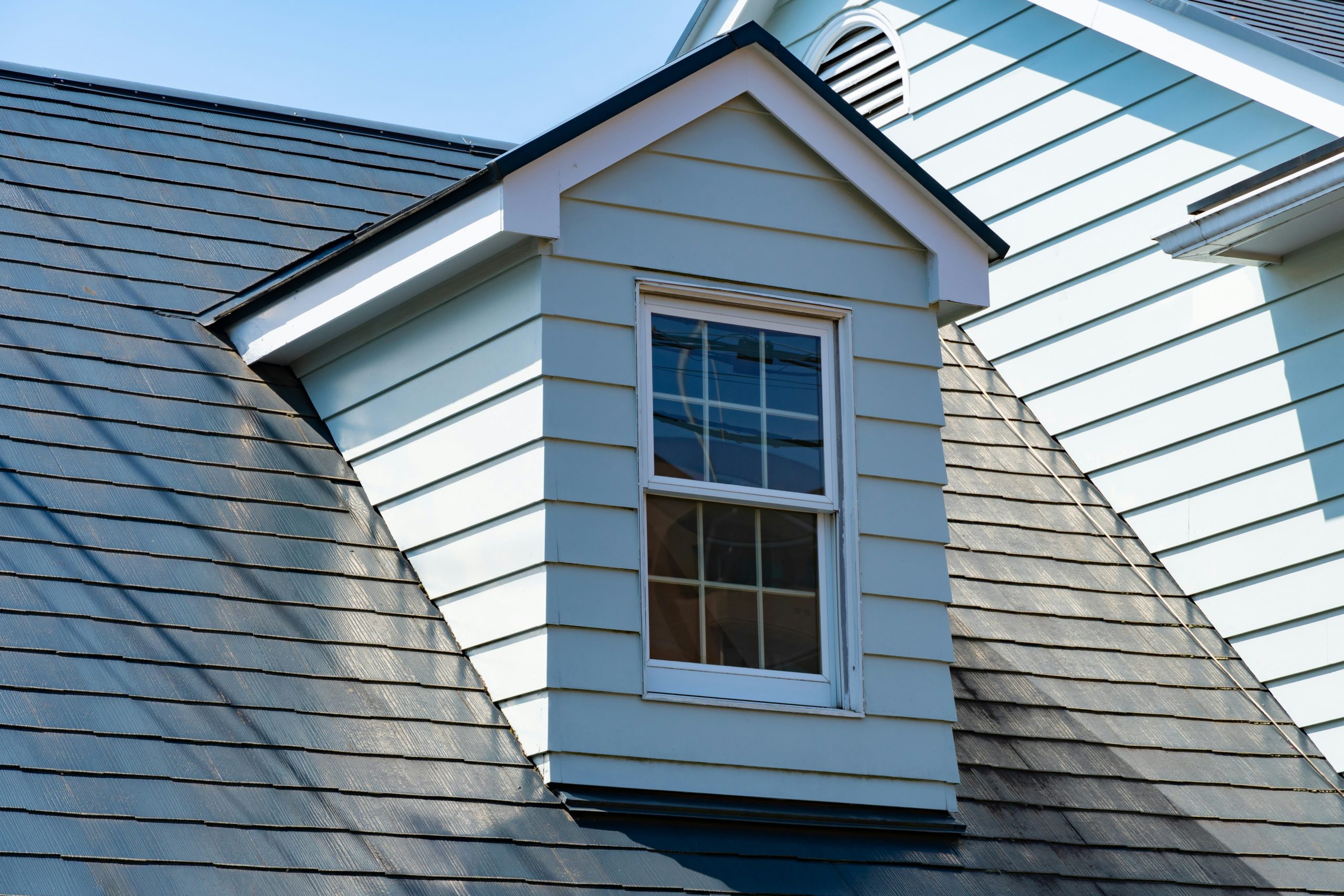
Walk through Clifton on a clear morning and the architecture stops you. Georgian terraces stepping up the hillside, Victorian villas with their confident proportions, Edwardian facades behind iron railings. And in almost every one — sash windows. For Bristol homeowners, sash windows in Bristol aren’t really a choice. They’re part of what the house is. The question is what to do with them.
Why They Still Matter
Sash windows have defined British architecture since the seventeenth century, and in Bristol they’re inseparable from the city’s character. The vertical sliding mechanism, the glazing bar patterns, the symmetry that suits period facades — these aren’t decorative details. They define how these buildings read from the street and how they feel to live in.
The practical case holds up too. Properly maintained sash windows provide good natural ventilation, generous light, and — when upgraded correctly — can perform surprisingly well by modern standards. The problem is that many haven’t been properly maintained, and the gap between a well-functioning sash window and a draughty, rattling one is significant enough to affect daily comfort and energy bills.
The Three Types You’ll Encounter
Original timber sash windows — softwood or hardwood frames, cord-and-weight mechanisms, single glazing in most cases — run through Bristol’s older housing stock. Authentic and beautiful. Often under-performing by current standards. Draughts, rot, heat loss through inadequately sealed frames — these are the common complaints.
Modern timber replacements replicate traditional designs using improved materials. Double or triple glazing, built-in draught-proofing, longer lifespan with proper treatment. The heritage appearance stays; the performance gap closes considerably.
uPVC sash windows offer lower cost and minimal maintenance. Thermal performance is decent. The catch — and it’s a real one for most Bristol period properties — is that uPVC doesn’t satisfy conservation area requirements and often lacks the authentic character that makes timber worth the investment on a Georgian or Victorian facade.
Restore or Replace? The Central Decision
This depends on the condition of existing windows, the property’s planning status, and how far the performance gap needs to close.
Restoration makes sense when original frames are structurally sound. Replacing rotten timber sections, fitting draught-proofing systems, upgrading glazing where frames allow, rebalancing sash weights and cords — done properly, this preserves craftsmanship, satisfies conservation requirements, and carries a lower environmental footprint than full replacement. The limitation is that restoration rarely achieves the thermal performance of a modern replacement unit.
Replacement delivers better energy efficiency, improved security, and reduced long-term maintenance. The trade-off is losing original material — which matters aesthetically and from a planning perspective. In listed buildings or conservation areas, replacement windows need to match original proportions and glazing bar patterns closely, and timber is usually required regardless of the cost difference.
Energy Performance: What’s Actually Achievable
Traditional single-glazed sash windows in Bristol properties can account for a meaningful share of total heat loss. That’s a real problem across a West Country winter.
Modern upgrades change the picture substantially. Slimline double glazing units — thin enough to replicate the appearance of single glazing — can improve thermal efficiency by up to 50% compared to poorly maintained originals. Low-emissivity glass coatings, draught-proofing built into the frame, proper sealing around sashes — the combination is genuinely effective. Not marginal improvement. Real, noticeable difference.
Planning and Conservation: Bristol’s Specific Requirements
Bristol has extensive conservation area coverage. Clifton, Redland, Cotham, Hotwells, Montpelier — these areas carry planning requirements that directly affect what homeowners can do with their windows.
The requirements typically mean matching original glazing bar patterns, maintaining frame proportions, using timber rather than uPVC, and obtaining consent for significant alterations. Heritage-sensitive upgrades using slim double glazing — visually indistinguishable from single glazing — have become the standard solution, satisfying both conservation officers and homeowners who want lower energy bills without compromising the street appearance.
Experienced bristol sash window services earn their value here. Navigating compliance while achieving practical upgrades requires knowledge of both the planning framework and the technical options. Getting it wrong means enforcement action or a failed application — neither cheap to resolve.
Security: Worth Factoring In
Older sash windows frequently carry outdated locking mechanisms that don’t meet modern security standards. Sash locks and restrictors, toughened or laminated glass, multi-point locking systems, reinforced frames — these upgrades bring traditional designs in line with current expectations without affecting appearance. Worth addressing as part of any restoration or replacement project rather than separately later.
Maintenance: What Timber Actually Requires
Well-maintained timber sash windows can last well over a century. That longevity comes with conditions. Repainting or staining every five to eight years, checking for rot and moisture damage, lubricating moving parts, inspecting seals — neglect accelerates deterioration fast.
The maintenance commitment is real and worth being honest about before choosing timber over lower-maintenance alternatives. For homeowners who’ll keep up with it, the investment pays back over decades. For those who won’t, the performance gap opens quickly.
Choosing the Right Path
Whether the property is listed or in a conservation area narrows options considerably. Budget, desired performance improvement, preference for authenticity, and long-term maintenance appetite all feed into what makes sense.
The best sash window specialists in Bristol assess existing windows properly, explain options without overselling, and handle the planning compliance side without making it the homeowner’s problem to navigate alone. The result — restoration or replacement — should improve daily comfort, reduce energy costs, and protect the architectural character that makes Bristol’s period housing genuinely worth caring about.