


Quick Answer: The best home extension ideas include rear extensions, kitchen-dining extensions, side returns, wraparound layouts, loft conversions, garage conversions and garden rooms. The right choice depends on the space you need, how much garden or roof space you can use, your budget, and whether the project will make daily life easier as well as add long-term value.
When a home starts to feel too small, moving is not the only answer. For many UK homeowners, extending the property can be a more practical way to create extra room without leaving the area they already know.
A good extension should not feel like space added for the sake of it. It should fix a real problem. That might be a tight kitchen, no proper dining area, a dark ground floor, limited storage, or the need for a separate place to work from home.
The strongest home extension ideas are usually the ones that improve how the house works every day. They bring in more light, make rooms easier to use, and help the property feel more balanced rather than simply bigger.
For wider property, development and home improvement coverage, readers can explore Property & Development Magazine for more residential sector updates and practical ideas.
Rear Extension Ideas
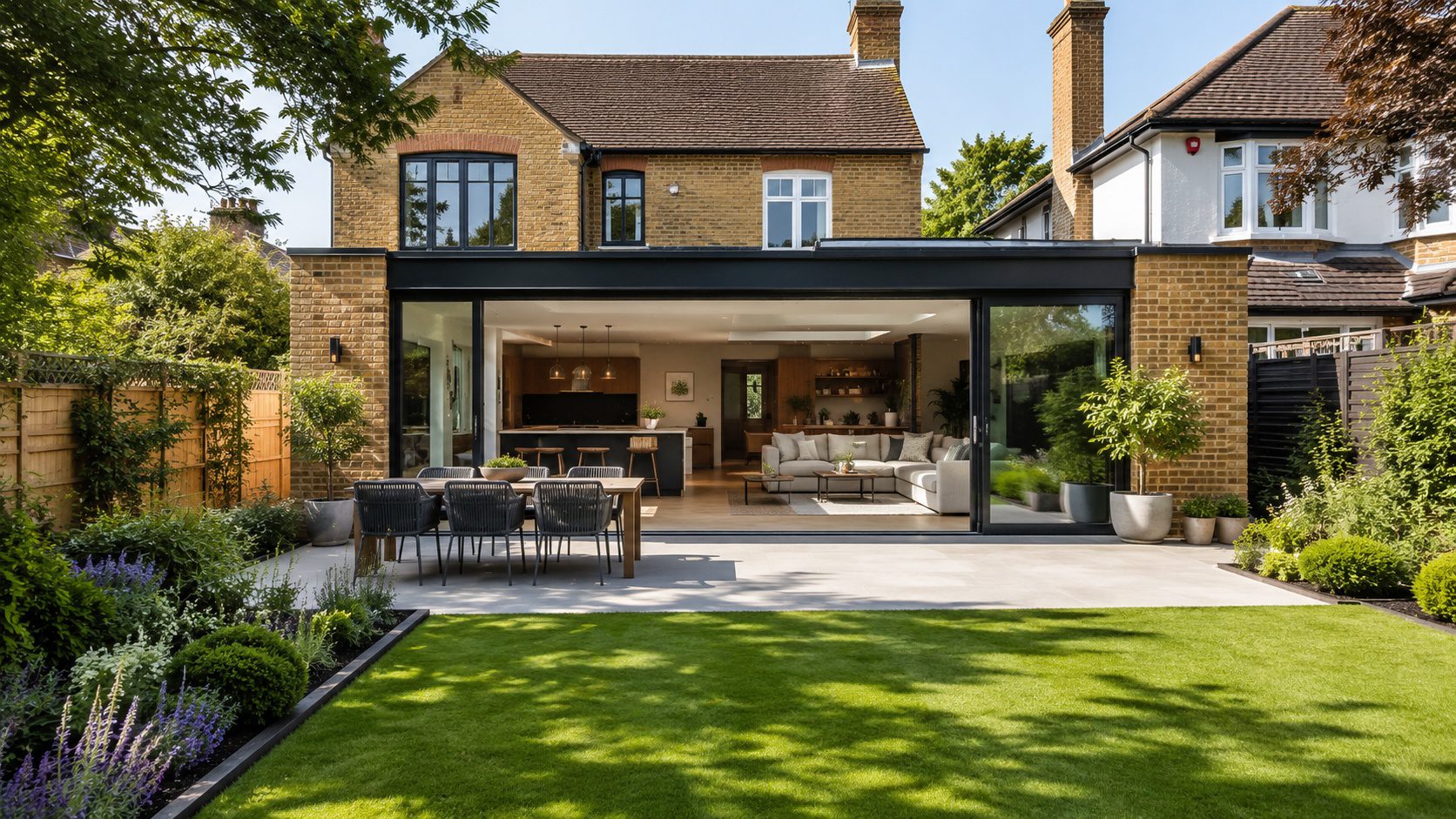
A rear extension is one of the most familiar ways to add space to a UK home. It usually pushes the back of the property into the garden and is often used to create a larger kitchen, dining space or family area.
This works especially well in homes where the back room feels disconnected from the garden. Large sliding doors, rooflights and a simple open layout can make the new space feel brighter and more useful.
The important point is balance. Taking too much garden space can make the home feel less practical in the long run. A smaller rear extension with better light and layout can often work better than a large extension that feels heavy or dark.
This type of project also fits naturally with PAD Magazine’s Property Renovation & Refurbishment category, where readers look for practical ways to improve existing homes.
Kitchen-Dining Extension Ideas
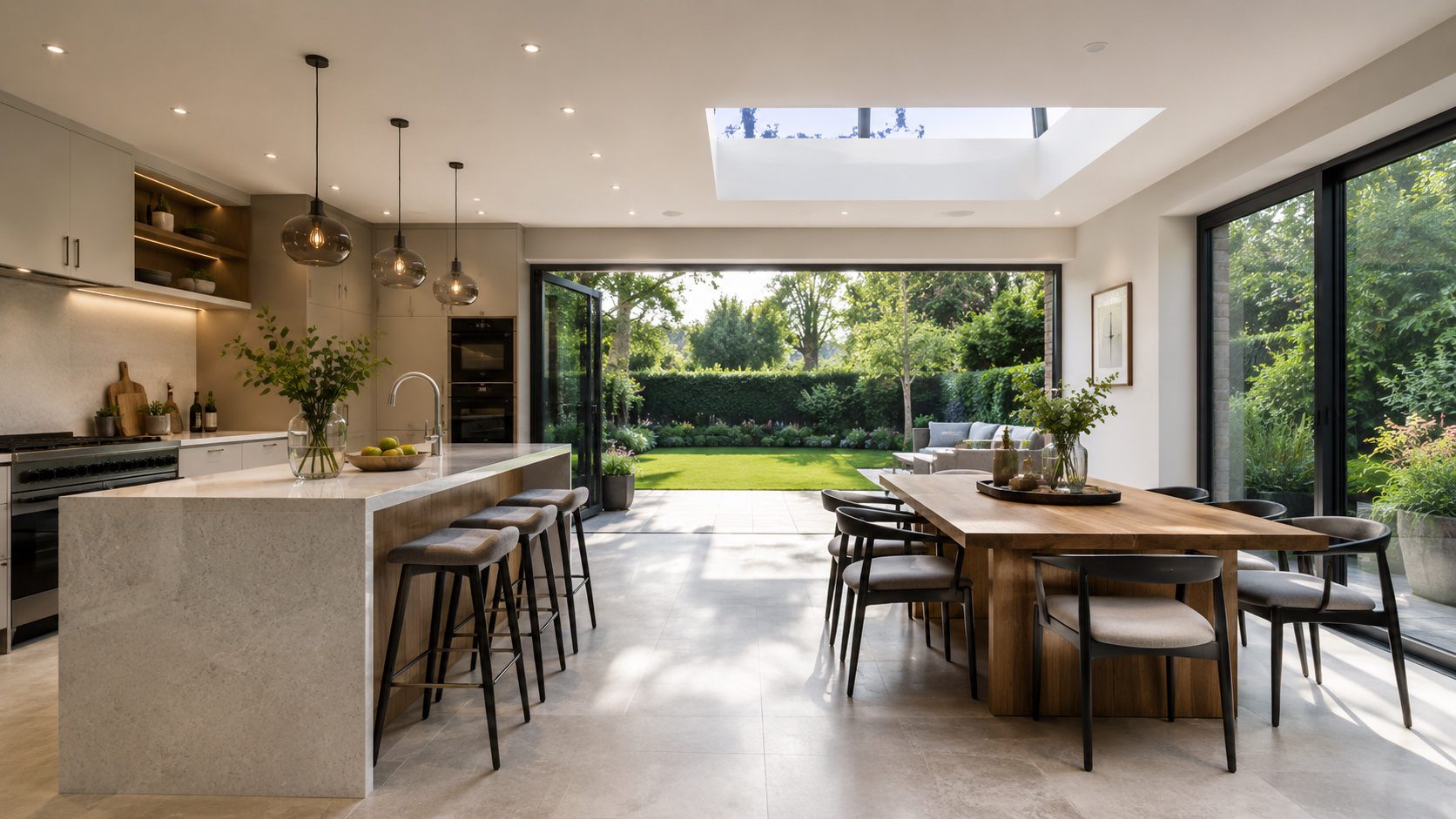
A kitchen-dining extension is popular because the kitchen is now one of the hardest-working rooms in the house. It is often used for cooking, eating, homework, hosting, and everyday family life.
The best kitchen extensions usually include enough room for storage, proper worktop space, a dining table or island, and a clear route to the garden. This can make the whole ground floor feel easier to live in.
Natural light matters here. Roof lanterns, skylights, and glazed doors can stop the new kitchen from feeling boxed in. It is also worth thinking about evening lighting early, especially above an island, dining table and food preparation areas.
For readers interested in layout, finishes and room styling, link this section to the PAD Interiors category rather than another blog article.
Side Return Extension Ideas
A side return extension uses the narrow strip of space often found beside the rear part of a terraced or semi-detached house. This area is easy to ignore, but it can make a noticeable difference when added to the internal layout.
Side returns are useful when a kitchen feels long, narrow, or dark. By widening the room, homeowners can create better storage, more dining space, and a stronger connection between the inside of the home and the garden.
Glass roof sections can work well in side returns, but the design should still feel warm and practical. Too much glass can sometimes create glare or heat issues, so shading and ventilation should be considered early.
Wraparound Extension Ideas
A wraparound extension combines a rear extension with a side return. It can completely change the ground floor and is often chosen when homeowners want a larger kitchen, dining, and living area.
This option can be more expensive and more complex than a simple rear extension, but it can also deliver a bigger change. It suits homes where the current layout feels awkward, and several small rooms need to become one more useful space.
Before choosing this route, it is worth checking how the extension will affect garden size, privacy, light, and the character of the original house.
Loft Conversion Ideas
A loft conversion is a useful option when the ground floor already works well, but the home needs another bedroom, office or guest space. It can add usable space without reducing the garden.
Dormer loft conversions can create more headroom, while rooflight conversions may suit homes where the roof space already has a suitable shape. The right option depends on the structure, roof height, and the position of the stairs.
A loft room should not be treated as leftover space. Good insulation, storage, lighting, and access can make the difference between a room that is used every day and one that only looks good on paper.
Garage Conversion Ideas
A garage conversion can work well when the garage is mainly used for storage rather than parking. It can become a home office, playroom, small gym, utility area, guest room or extra living space.
Because the structure already exists, a garage conversion can sometimes be less disruptive than a new build extension. However, it still needs proper insulation, heating, ventilation, flooring, and lighting to feel like part of the home.
This idea is especially useful for homes where the layout needs one more practical room rather than a large open-plan extension.
Garden Room Extension Ideas
A garden room is not always attached to the main house, but it can still solve the same problem: the need for more usable space. It can be used as a home office, creative studio, gym, hobby room or quiet retreat.
For households where work and home life need a little separation, this can be a sensible option. It can also be less disruptive than changing the main structure of the property.
The main thing is to make sure the space is comfortable throughout the year. Heating, insulation, internet access and lighting should be planned properly, not treated as afterthoughts.
Planning, Design and Practical Checks
Homeowners should think about planning rules, building regulations, budget, and neighbours before starting any extension. Some projects may fall under permitted development, while others may need planning permission or extra checks.
The Planning Portal explains that some extensions can be carried out under permitted development rights if the project meets specific limits and conditions. If the work goes beyond those limits, a householder planning application may be needed.
Building regulations are separate from planning permission. Even if planning permission is not needed, the work may still need to meet rules covering structure, insulation, drainage, ventilation, fire safety and electrics.
For design-led projects, readers can also browse PAD Magazine’s Planning & Design category for architecture and development-related coverage.
External reference: For a wider planning overview, see the Planning Portal guidance on extensions, which explains planning permission, permitted development and building regulation considerations for extension projects.
Think About Value, Not Just Size
Adding space can improve a home, but size alone does not guarantee value. A well-planned smaller extension can be more useful than a large one with poor light, awkward furniture placement or weak storage.
Before choosing between different home extension ideas, homeowners should ask what problem they are trying to solve. A family may need a larger kitchen. A remote worker may need a quiet office. A growing household may need another bedroom. A downsizer may simply want a more comfortable ground floor.
The best extension feels natural when it is finished. It should connect with the original home, suit the way people live, and make the property easier to use day after day.
Where the aim is resale appeal or long-term property value, it is also relevant to connect readers with PAD’s Real Estate category for broader market and property updates.
Final Thoughts
The most useful extension is not always the biggest or most expensive one. It is the one that solves the right problem in the right way.
Rear extensions, side returns, loft conversions, garage conversions, and garden rooms can all work well, but each one suits a different type of home and a different need.
For homeowners planning carefully, home extension ideas should start with daily life: how the space will be used, how much light it will bring in, how it connects to the rest of the house, and whether it will still make sense years from now.
FAQs
What is the best home extension idea for a small UK house?
A side return, small rear extension, or garage conversion can work well for a smaller UK home. The best choice depends on whether the house needs a bigger kitchen, more storage, a quiet office or another living area.
Do home extensions always need planning permission?
No. Some extensions may fall under permitted development, but this depends on the size, property type, location, and previous changes made to the home. It is always worth checking before starting work.
Which home extension adds the most value?
Kitchen extensions, loft conversions and well-designed rear extensions are often attractive because they improve everyday living space. The value depends on the property, location, quality of work and how useful the new space feels.
Is a loft conversion better than a rear extension?
A loft conversion is better when the home needs another bedroom or office without losing garden space. A rear extension is better when the ground floor feels cramped or the kitchen and dining area need more room.
How can I stop an extension from making the house darker?
Plan natural light from the beginning. Rooflights, roof lanterns, larger openings, internal glazing and lighter finishes can help the new space feel bright while protecting light in the original rooms.
What should be checked before starting a home extension?
Check the budget, planning rules, building regulations, layout, access, neighbours, natural light and how the space will be used every day. A clear plan helps avoid expensive changes later.