


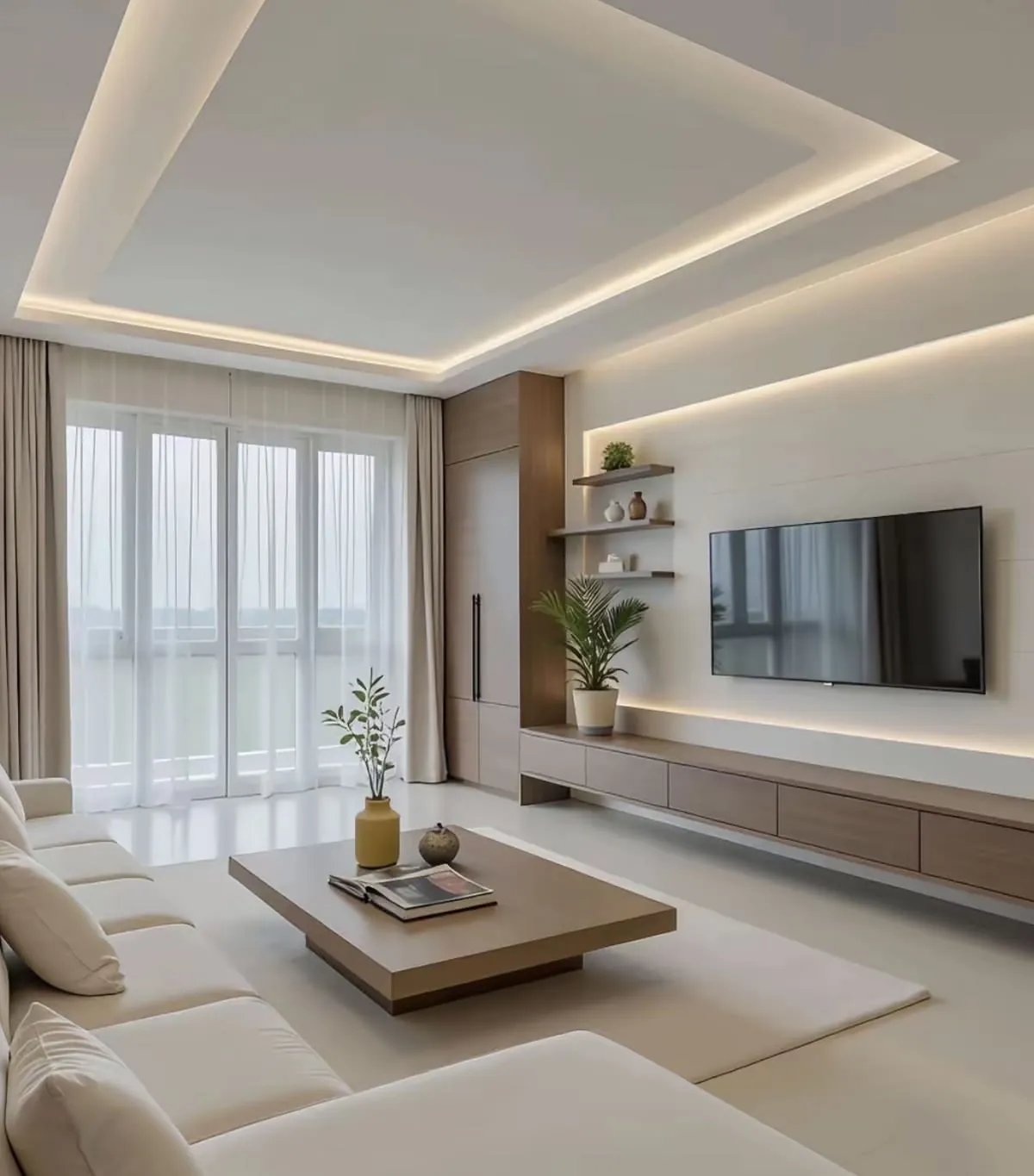
Whether you’re preparing to sell, settling in for the long haul, or simply tired of staring at the same tired walls, the right home renovation ideas can transform how your property looks, feels, and performs on the market. But not every renovation project delivers the same return. Some upgrades pay for themselves twice over, while others barely move the needle.
This guide cuts through the noise with seven proven renovation ideas tailored to UK homes – from Victorian terraces to modern builds – with practical cost data, ROI figures, and advice that works for homeowners in the US, Canada, and beyond.
Quick summary: Kitchen renovations, bathroom upgrades, loft conversions, energy efficiency improvements, garden rooms, smart storage, and flooring upgrades consistently deliver the strongest returns for UK homeowners. Read on for costs, value uplift, and how to choose the right project for your budget and lifestyle.
How We Chose the Best Home Renovation Ideas
A great house renovation idea in a UK context does more than just look good. It increases market value, improves energy performance, suits the property type, and costs proportionally well against the home’s current price.
We evaluated each renovation against five criteria:
- Value addition – measurable uplift in resale price, backed by data from Nationwide, industry builders, and estate agent reports
- Cost-effectiveness – ROI multiples that justify the spending
- Practicality – structural feasibility across common UK property types including terraced, semi-detached, and apartment layouts
- Energy efficiency – alignment with tightening Building Regulations (Part L updates) and the EPC C requirement for rental properties from 2028
- Appeal to modern living – open plan layouts, flexible workspaces, outdoor living, and integrated storage that reflect how people actually use their homes in today’s world
We also considered budget tiers. Not every homeowner has £50,000 for a loft conversion. Some of the best home improvement ideas cost under £5,000 and deliver disproportionate impact. The key is matching the scale of investment to your property value and local market expectations.
Top 7 Home Renovation Ideas for UK Properties
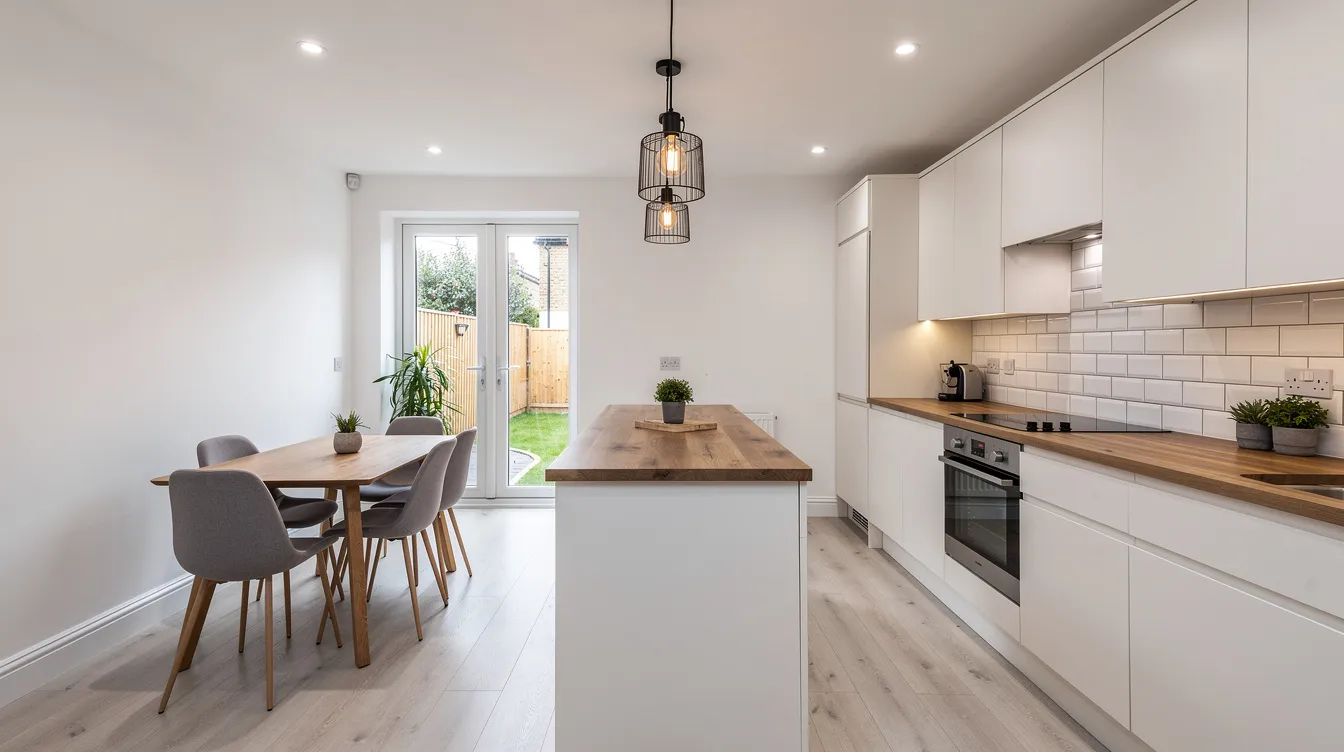
1. Kitchen Renovation and Open Plan Living
The kitchen remains the single room buyers scrutinise most. A mid-range kitchen renovation in homes priced £300,000–£500,000 typically returns 1.3 to 2.0 times the cost in added value – making it the strongest value-adding renovation for most UK homeowners.
Why It Stands Out: Open plan layouts enhance light flow and space perception, turning a closed-off cooking area into the heart of the home. Knocking through to a dining or living room creates a sense of flow that buyers – and families – immediately respond to. Bifold doors maximize light and air in living spaces, while large picture windows can enhance views of the garden.
Best For: Families, entertainers, and homeowners in areas with strong buyer demand. If you’re planning a kitchen remodel, this is where the numbers are strongest.
Key Strengths:
- Full renovation costs range from £12,000–£30,000 mid-range, with budget refurbishments (new doors, worktops, hardware) from £3,500–£12,000
- Adding drawers underneath kitchen plinths provides storage for baking trays or flat items – a small detail that improves workflow
- Modern kitchen units, integrated appliances, and quartz worktops signal quality to buyers
- Exposed brickwork adds a rustic look and saves on plastering in period properties
Possible Limitations: Moving plumbing and electrical, installing steel beams for knock-throughs, and managing ventilation all add cost. London and the South East typically run 20–30% above national averages. Over-specifying beyond the neighbourhood norm – a premium kitchen in a modest area – may not fully pay back.
2. Bathroom Modernization and En-Suite Addition
An extra bathroom adds around 5–6% to the value of an average UK home. Even a straightforward modernisation – replacing dated suites, tiling, and fixtures – makes a measurable difference to both comfort and sale appeal.
Why It Stands Out: Bathrooms are essential daily-use spaces that buyers prioritise. A clean, modern bathroom signals a well-maintained property. Affordable bathroom remodel ideas can deliver a high-end look without breaking the bank.
Best For: Growing families, older properties with outdated facilities, and rental properties where tenants expect en-suites.
Key Strengths:
- Mid-range costs: £3,000–£8,000; premium with walk-in showers and underfloor heating: £10,000–£20,000+
- Water-efficient fixtures (dual-flush, low-flow showers) reduce bills and improve EPC ratings
- Accessibility features like level-access showers future-proof the home
- Minimal bathroom design continues to grow as a trend
Possible Limitations: Plumbing complexity, waterproofing requirements, and ventilation needs can escalate costs. Poor installation leads to leaks and long-term damage – always use certified tradespeople.
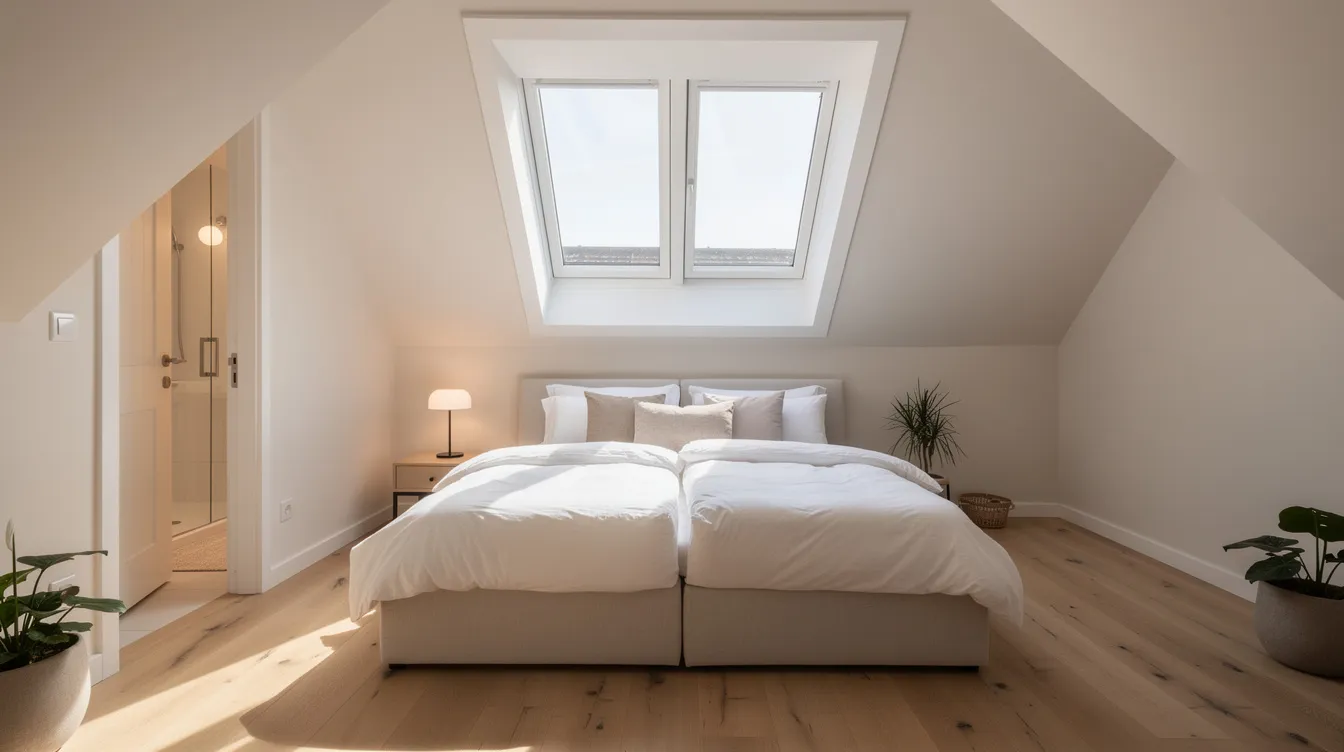
3. Loft Conversion for Extra Living Space
A loft conversion is the ideal way to add significant floor area without extending the building footprint. Across the UK, a well-executed loft conversion adds 15–25% to property value. In inner London terraces, returns can reach 185–200% of build cost.
Why It Stands Out: It transforms unused roof space into a usable bedroom, office, or family room. Using ceiling glazing increases natural light in compact homes, and a well-placed dormer opens up views and headroom.
Best For: Growing families, home workers, and owners of Victorian or Edwardian properties with good roof structure. More cost-efficient than a ground-floor extension on tight urban plots.
Key Strengths:
- Rear dormer conversions: £45,000–£68,000 including en-suite; Velux conversions from £28,000–£45,000
- Around 80% of conversions fall under permitted development, avoiding full planning permission
- Adds a complete new room – or two – to the house
Possible Limitations: Minimum head height of ~2.2m from joist to ridge is required. Trussed rafters increase structural steel costs. Fire escape windows, insulation to updated Part L standards, and stair footprint all need careful planning. Budget for accommodation costs during renovations if the work is extensive.
4. Energy Efficiency and Insulation Upgrades
With EPC C required for rented domestic properties by 2028 and energy costs still front of mind, efficiency upgrades are no longer optional for many homeowners.
Why It Stands Out: Upgrading insulation reduces heat loss and improves energy efficiency across the entire property. Smart home technology improves convenience and energy efficiency simultaneously – programmable thermostats help manage home temperature efficiently, while voice-controlled lighting systems enhance home ambience, and smart technology can lower energy costs significantly. Smart locks allow keyless entry via smartphone, adding both convenience and security.
Best For: Older properties with poor insulation, eco-conscious homeowners, landlords facing compliance deadlines, and anyone with high energy bills.
Key Strengths:
- Government incentives: the Boiler Upgrade Scheme offers up to £7,500 for heat pumps; ECO4 and Warm Homes Plan cover eligible households
- Thermally broken aluminium windows enhance insulation and reduce condensation. Thermally broken aluminium frames also improve insulation and security
- Solar panels can significantly lower long-term energy costs
- Compact wall-mounted heat pumps provide climate control with minimal wall space
- Using recycled materials helps lower your carbon footprint
- Eco-friendly renovations can lower electricity and heating bills – a big part of the appeal for cost-conscious owners
Possible Limitations: Upfront costs remain high, especially for solid wall insulation or heat pump installation. Internal wall insulation may reduce room size. Payback periods range from 5–15 years depending on measures. Need certified installers – the risk of poor workmanship is real.
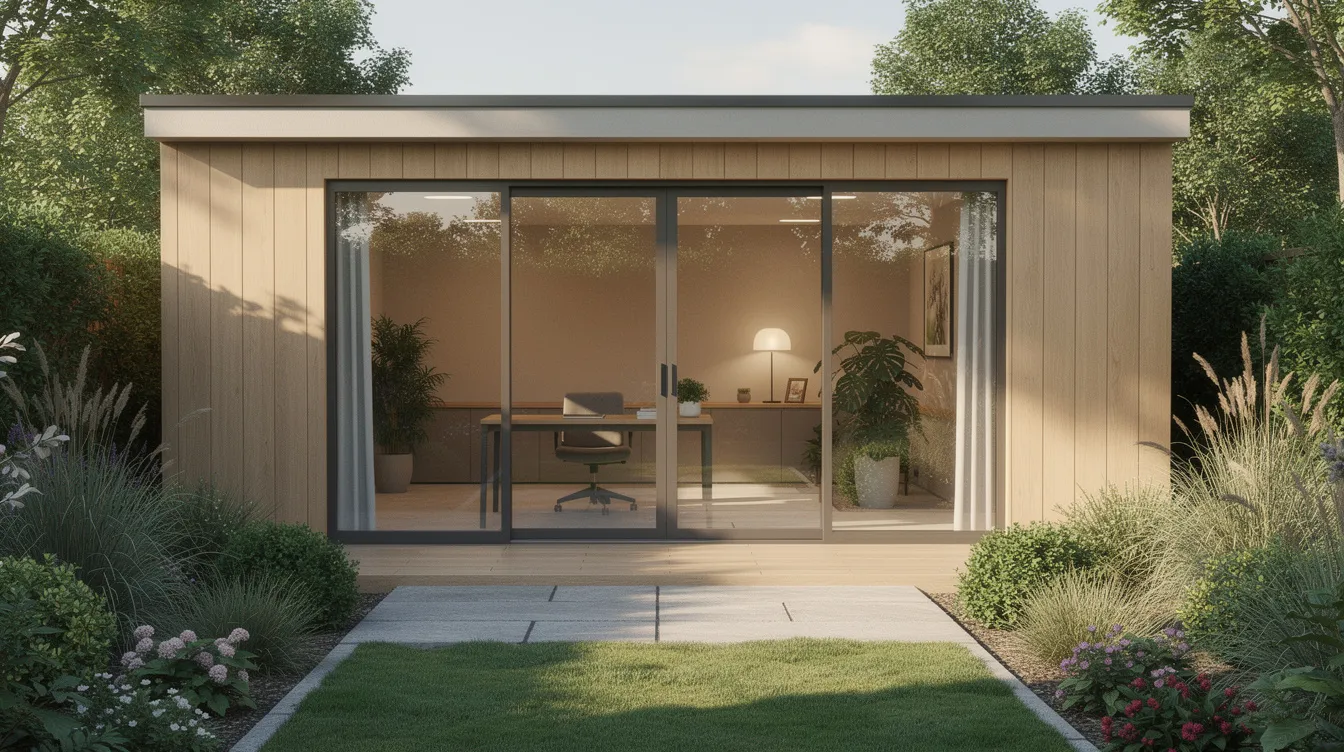
5. Garden Room and Outdoor Living Extension
Garden rooms have surged in popularity, with the market growing around 150% over six years as homeowners seek flexible living space without full extension costs.
Why It Stands Out: A garden room creates additional living space with a strong indoor-outdoor connection. Sliding doors create a natural flow between indoor and outdoor spaces, while a glazed link can connect old and new sections of a house seamlessly.
Best For: Remote workers needing a dedicated office, families wanting entertaining space, and properties with usable gardens in suburban or rural settings.
Key Strengths:
- Often falls within permitted development rights, avoiding planning delays
- Year-round usability when properly insulated and heated
- Sliding doors create a seamless indoor-outdoor connection, maximising natural light and garden views
- Faster and less disruptive to build than a traditional extension
Possible Limitations: Weather dependence unless well insulated. Permitted development may be restricted in conservation areas. Heating costs in winter need consideration. Value uplift is moderate compared to loft conversions or kitchens, but the lifestyle benefit is substantial.
6. Smart Storage Solutions and Built-In Features
In compact UK homes and apartments, storage is a make-or-break factor. Built-in furniture utilizes awkward spaces effectively – under eaves, alcoves, and odd corners that freestanding furniture simply cannot fill.
Why It Stands Out: Combining custom vertical storage with multi-functional furnishings maximizes small spaces in ways that off-the-shelf solutions never will. Multi-functional spaces maximize utility in homes where every square metre counts.
Best For: Small homes, families with storage needs, and minimalist lifestyle seekers renovating flats or terraced houses.
Key Strengths:
- Dead zones like under-stairs areas can be utilized for storage – a common missed opportunity
- Elevated bed frames create additional usable space beneath for various purposes
- Wall-mounted drying racks save space and can be folded flat when not in use
- L-shaped sofas with internal storage enhance utility in compact spaces
- Stacking units for washers and dryers can save space in utility rooms or closets
- Multi-purpose furniture helps avoid clutter in small rooms
- Bright color palettes and light-reflecting mirrors can visually expand a room’s footprint
Possible Limitations: Custom joinery costs more than flat-pack alternatives. Built-in storage is permanent, so design commitment matters. Mid-range built-in wardrobes run £1,000–£5,000+.
7. Flooring Upgrades Throughout the Home
Flooring is the first thing people notice – and the last thing many homeowners think to update. Upgrading worn carpets or patched laminate to engineered wood, large-format porcelain, or quality LVT can transform the entire floor and feel of a property.
Why It Stands Out: A single coordinated flooring update creates visual continuity across the house and helps tie the room together during the final decoration stage, especially in open plan spaces where the flow matters.
Best For: Properties with worn flooring, those seeking cohesive design, and allergy sufferers who benefit from hard surfaces.
Key Strengths:
- Immediate visual impact during viewings – an example of a relatively affordable upgrade that tips buyer perception
- Durable materials like engineered wood reduce long-term maintenance
- Continuity across rooms makes spaces feel larger and more considered
Possible Limitations: Subfloor preparation is frequently underestimated and adds cost. Rooms are unavailable during work. Quality materials (hardwood, natural stone) carry a premium price.
Quick Comparison of the Best Home Renovation Ideas
| Renovation | Typical Cost (Mid-Market) | Value Uplift | Best For |
|---|---|---|---|
| Kitchen Renovation | £12,000–£30,000 | 1.3–2× cost | Maximum value addition, family living |
| Bathroom Modernisation | £3,000–£20,000 | 5–6% of property value | Essential comfort, buyer appeal |
| Loft Conversion | £45,000–£85,000 | 15–25% uplift | Adding significant space |
| Energy Efficiency | Varies; grants available | Indirect but growing | Long-term savings, compliance |
| Garden Room | £20,000–£60,000 | Moderate | Flexible work/leisure space |
| Smart Storage | £1,000–£5,000+ | Perception-driven | Compact living spaces |
| Flooring Upgrades | £500–£5,000+ | Visual transformation | Immediate refresh, cohesion |
How to Choose the Right Home Renovation Idea
Choose Based on Your Budget Range
Not every renovation demands tens of thousands. Here’s how to use your time wisely and allocate wisely:
- Under £10,000: A fresh coat of paint can redefine a room’s feel. Add new kitchen doors, update flooring, refresh a bathroom, or improve storage. Rearranging furniture can breathe new life into a room without spending anything. Adding decorative touches can enhance your home’s character for minimal outlay.
- £10,000–£30,000: Full kitchen renovation, new bathroom, energy upgrades (insulation, glazing), or a modest garden room.
- £30,000–£80,000+: Loft conversion, open-plan kitchen-diner, premium bathroom suites, heat pump and solar PV installation.
Expect to spend more on structural issues than aesthetic upgrades – especially in an old house with hidden problems. A clear plan prevents costs from spiraling during renovations.
Choose Based on Your Property Type
Property age, style, and structure directly influence which renovation ideas deliver the best return:
- Victorian/Edwardian terraces: Loft conversions (especially rear dormers), rear extensions, en-suite additions, and period-sensitive restoration
- Semi-detached homes: Side returns, hip-to-gable loft conversions, open plan reconfigurations
- Apartments and flats: Interior refurbishment, energy upgrades, storage optimisation, bathroom modernisation
- Modern builds: Layout reconfigurations, smart technology integration, garden rooms
A full Building Survey is a MUST before buying any property you plan to renovate – it reveals structural issues that affect both budget and scope.
Choose Based on Your Lifestyle Needs
Your family size, work patterns, and daily habits should drive priorities:
- Families need extra bedrooms, robust kitchens, and ample storage
- Remote workers benefit from garden rooms or loft offices
- Downsizers should focus on efficiency, accessibility, and reducing maintenance
- Landlords should prioritise EPC compliance and tenant-attracting features like modern bathrooms

Which Renovation Idea Is Best for You?
There’s no single answer – but here’s a practical decision framework, matching the right project to the job your home needs to do:
- Choose Kitchen Renovation if you want the strongest measurable value return and improved daily life. If you’re wondering whether it’s worth the disruption, explore whether you can transform a kitchen without starting from scratch.
- Choose Loft Conversion if you need extra space without the stress and cost of moving to a new home.
- Choose Energy Efficiency if you want to save money on bills, protect your investment against future regulation, and improve comfort through winter and beyond.
- Choose Garden Room if you need flexible space for work or leisure and have a usable garden.
- Choose Storage or Flooring if your budget is modest, but you want to create a noticeable difference before selling or simply to reduce stress at home.
Give yourself enough time to get at least three quotes from contractors, plan properly, and compare options before committing to any project. Order fixtures and fittings early to avoid delays – lead times on popular items can stretch to three years for specialist products. If you have to wait for approvals or long lead times, use that period to finalise specifications or scheduling. Set a contingency fund of 10–15% for unexpected costs, and document every stage of your renovation for future reference, whether for your own records or to reassure future buyers.
Final Thoughts
The best home renovation ideas are the ones that align with your property, your budget, and the way you actually live. Whether you’re renovating a compact flat with clever storage or converting a loft in a period terrace, proper planning and professional advice – from a qualified architect to a reliable team of builders – will always maximise your return, and it’s worth bringing experts in before you get stuck on technical or regulated parts of the job.
Do your research. Set aside 10–15% of your budget for contingencies. Manage the process carefully, and you’ll finally complete renovation work that adds genuine value rather than simply spending money for the sake of it.
In a market where every pound counts and regulation is tightening, smart updates aren’t just about inspiration or style – they’re about making informed decisions that protect your investment and improve your life for years into the future. Start with clear priorities, a realistic budget, and the site conditions in front of you. The rest is execution.
FAQs
What home renovation ideas deliver the highest ROI in the UK?
Kitchen renovations and loft conversions consistently deliver the strongest returns. A mid-range kitchen can return 1.3–2× its cost, while loft conversions add 15–25% to property value depending on location.
How much does a loft conversion cost versus the value it adds?
A rear dormer conversion typically costs £45,000–£68,000. In London, value uplift can reach 185–200% of build cost. In northern regions, returns are more modest at 85–95%.
Can a kitchen renovation ever reduce property value?
Yes – if you over-spec beyond the neighbourhood norm or make highly personal design choices that limit buyer appeal. Always match the level of finish to local market expectations.
What energy efficiency upgrades are incentivised in the UK?
The Boiler Upgrade Scheme offers up to £7,500 towards heat pumps. ECO4 and the Warm Homes Plan support insulation and heating upgrades for eligible households. From 2028, rental properties must meet EPC band C.
How should I budget realistically for a renovation?
Include professional fees (architect, structural engineer, surveys), materials, labour, and a contingency of 10–15%. Don’t forget hidden costs like demolition, skip hire, and temporary accommodation if the work makes the house unliveable. You can sign up for renovation updates and budget checklists if you want a simple way to stay organised. Track all spending against your plan to avoid nasty surprises.