


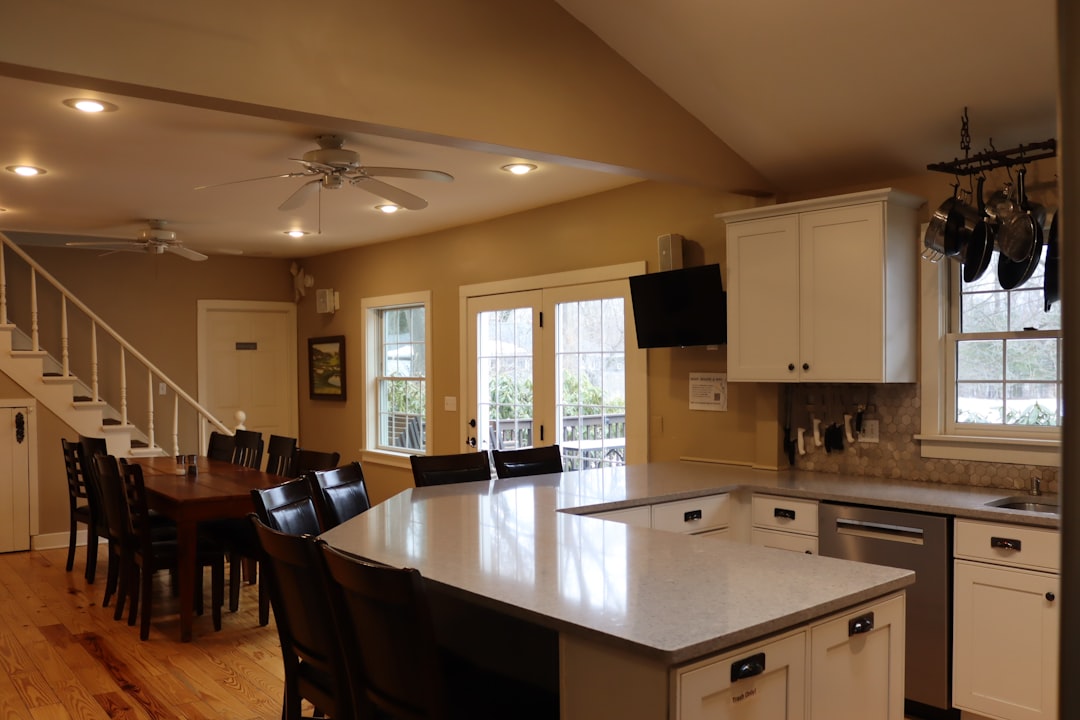
For many homeowners, the idea of transforming a kitchen comes with an assumption: everything has to go. Cabinets ripped out, worktops removed, weeks of disruption, and a budget that quickly grows beyond expectations.
What if that isn’t always necessary?
The reality is that a full renovation is just one route, not the only one. In many cases, you can achieve a dramatic transformation without starting from scratch, simply by rethinking what actually needs to change.
The Difference Between a Refresh and a Rebuild
Not every kitchen problem is structural. Sometimes, the layout works perfectly well, storage is sufficient, and appliances are still functional. The issue is often visual. Surfaces look dated, finishes feel tired, and the overall style no longer reflects how you want the space to feel.
That distinction matters.
A rebuild focuses on changing everything. A refresh focuses on improving what’s already there. For many homes, that second approach is where the real opportunity lies.
Why Surfaces Make Such a Big Impact
When you walk into a kitchen, your eye is drawn to a few key elements. Worktops, cabinet fronts, and splashbacks dominate the visual space. These are the areas that define whether a kitchen feels modern, clean, or outdated.
Changing these elements can completely alter the look of a room without touching the underlying structure.
That’s why solutions like kitchen overlays Stockport are gaining attention. Instead of removing existing worktops, a new surface is fitted directly over them, creating a fresh, updated appearance with far less disruption.
It’s a targeted approach that focuses on what people actually see.
How Kitchen Overlays Work
Overlay systems are designed to sit neatly on top of existing surfaces, creating the look of a brand-new worktop without demolition. Typically made from materials like quartz or engineered stone, they are cut and shaped to fit precisely over your current layout.
The process is surprisingly straightforward. Existing surfaces are prepared, adhesive is applied, and the new layer is installed and finished to create a seamless look.
Because there’s no need to remove the original worktop, the entire process is faster, cleaner, and far less intrusive than a traditional renovation.
Less Disruption, More Convenience
One of the biggest advantages of not starting from scratch is how much easier the process becomes.
A full kitchen renovation can take weeks and often leaves the space unusable for long periods. In contrast, overlay installations can often be completed in a day or two, depending on the scope.
That difference changes everything.
You’re not dealing with extended downtime, unexpected complications, or the stress of living without a functioning kitchen. Instead, the transformation happens quickly, with minimal interruption to daily life.
A More Cost-Effective Approach
Cost is another major factor. Full renovations involve labour, removal, disposal, and often additional structural adjustments. These hidden costs can quickly escalate.
Overlay solutions reduce many of these expenses. By working with what’s already there, you avoid demolition costs and significantly reduce labour time.
The result is a more controlled budget, where your investment goes into visible improvements rather than behind-the-scenes work.
Sustainability Is Part of the Shift
There’s also a growing awareness around sustainability in home upgrades. Ripping out an entire kitchen generates a significant amount of waste, much of which could have been avoided.
Overlay systems offer a more environmentally conscious alternative. By reusing existing structures, they reduce waste and minimise the need for new materials.
For homeowners looking to make smarter choices, this is becoming an increasingly important factor.
When Starting From Scratch Still Makes Sense
Of course, not every kitchen is suited to a surface-level transformation. If the layout is impractical, storage is insufficient, or there are underlying structural issues, a full renovation may still be the better option.
Overlay solutions work best when:
- The kitchen layout already functions well
- Cabinets are structurally sound
- The main goal is aesthetic improvement rather than redesign
In these situations, starting from scratch can be unnecessary.
Rethinking What “Transformation” Means
There’s a tendency to equate transformation with total replacement. But in reality, transformation is about impact, not effort.
A kitchen doesn’t need to be rebuilt to feel new. It needs to look and function in a way that suits your lifestyle today. Sometimes, that comes from a complete overhaul. But often, it comes from making smarter, more focused changes.
A Smarter Way Forward
So, can you transform a kitchen without starting from scratch?
In many cases, yes.
By focusing on the elements that matter most visually and functionally, it’s possible to achieve a fresh, modern space without the cost, disruption, and complexity of a full renovation.
It’s not about doing less. It’s about doing what actually makes a difference.