


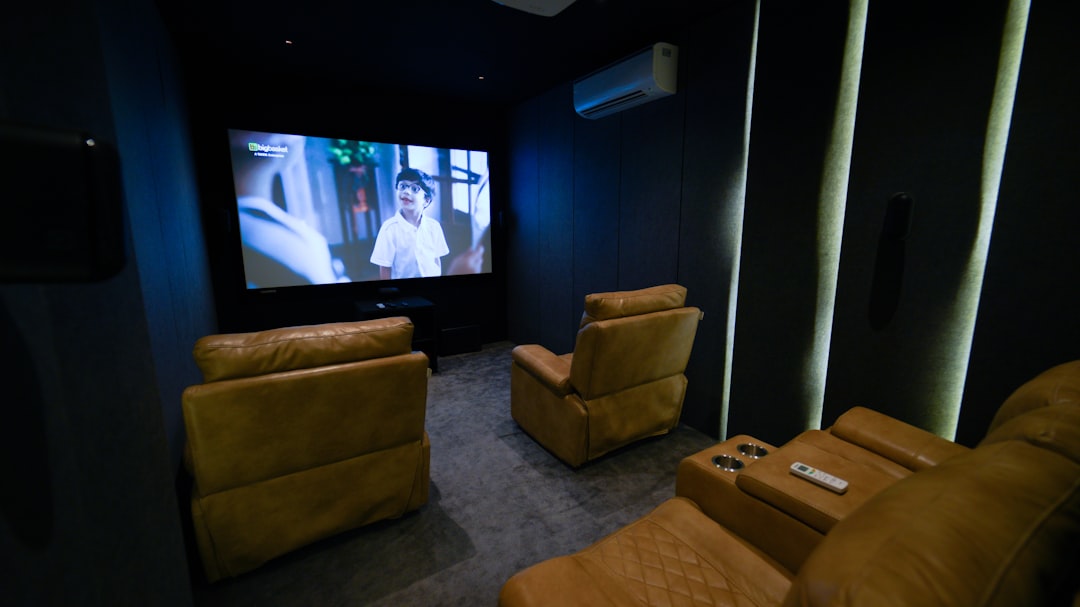
Entertainment has long had an effect on home design, with the whole concept of the living room coming about due to the advent of the television. As the entertainment market evolves, therefore, it’s no surprise that home design is progressing with it.
Today’s online entertainment has brought about a range of new habits, such as binge-watching series and flicking through short-form content. There could be a shift in how people plan home interiors to keep up with these trends.
Living Rooms Becoming Home Cinemas
Netflix has completely changed the way people watch television series and films, and it has been credited with introducing the concept of bingeing content for many hours. That’s why its traditional approach is to release all episodes of a series at once, so people can watch them in one sitting if they wish to do so. The platform and its competitors also offer a range of blockbuster-style movies, meaning that subscribers can enjoy a cinematic experience at home.
Because of all this, there’s now a much greater focus on living room design, as people are spending more time than ever watching immersive content on the screen. Huge televisions are cheaper nowadays, and these are often mounted on walls with built-in cabinets surrounding them. Furniture providers like IKEA have expanded their sofa ranges with many that are designed for longer lounging periods. There are also companies like Sonos enjoying a spike in interest with homeowners wanting surround sound.
Digital Art Frames with Rotating Displays
While Netflix may have encouraged many people to sit in front of the television for hours, there are other forms of entertainment that have gone in the complete opposite direction. Short-form content is bigger than ever in 2026, with YouTube Shorts and TikTok offering vertical videos that usually last somewhere between 30 seconds and two minutes.
The UK slots market is hugely popular as well, with games like Honeylock’s Pots and Beef Up the Bonus giving players the chance to play in short bursts. These titles can be played for a few minutes at a time, and the fact that there are so many to choose from suggests that players like to switch between games.
Because of this need for constant engagement and novelty from short-form content online, it may mean that art displays around the home need to change. Instead of having static pictures hung up, interior designers could install digital art displays that change frequently, always offering homeowners something different to look at.
Stands and Sockets Placed for Utmost Convenience
Second screens and gadgets are a huge part of people’s lives now, and it’s useful to have many charging points and stands around the home. These could come in the form of wireless chargers on lamp stands or USB ports in sofas and on kitchen counters.
Interior designers may even need to consider the fact that many people stream their own videos nowadays. To make this easier, there could be built-in stands around the house that pull out and allow people to attach their device while they record.
It’s clear that online entertainment is already impacting home design, and this is going to become more apparent in the years ahead. Interior designers need to pay special attention to trends and ensure that they come up with ideas that mirror these.