


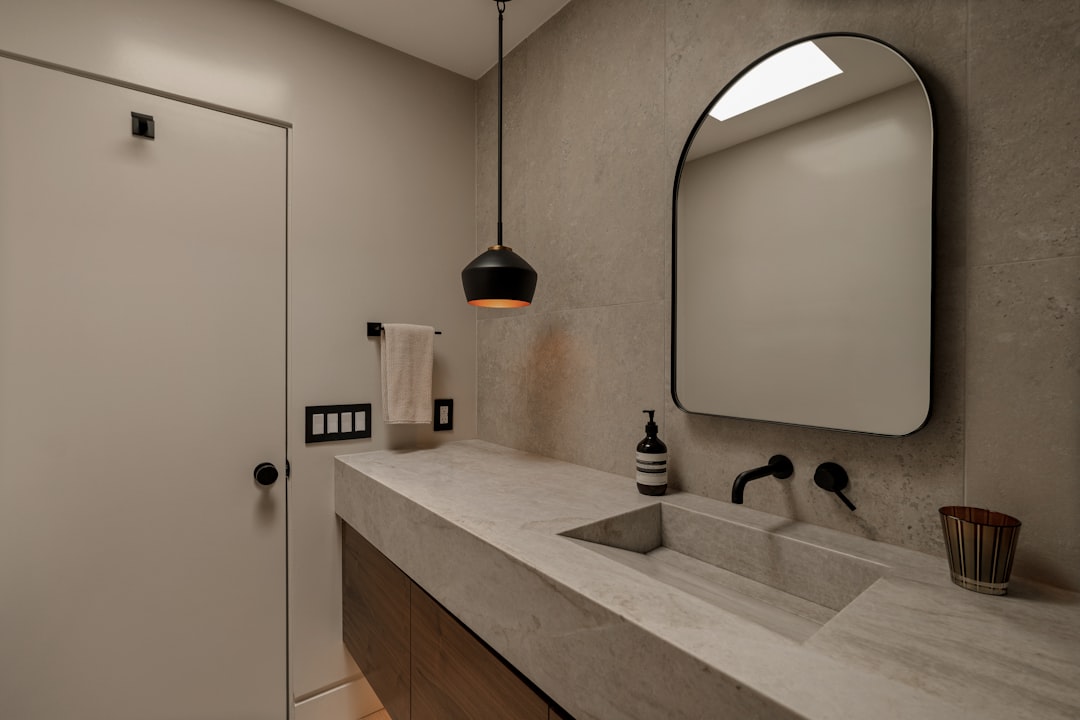
Minimalist design has become one of the most influential trends in modern interiors, and bathrooms are no exception. Across the UK, including in Chester, homeowners are choosing spaces that feel open, organised, and uncluttered. This approach not only creates a sense of calm but also emphasises quality over quantity in both design and functionality.
A carefully planned Bathroom Installation can help achieve this minimalist aesthetic while ensuring the space remains practical and comfortable for everyday use. Simple lines, thoughtful storage, and restrained colour palettes are central to creating a bathroom that feels sophisticated without being overly complicated.
The Appeal of Minimalism in Bathrooms
Minimal bathrooms focus on clean lines, neutral tones, and uncluttered surfaces. This design style is appealing because it creates a tranquil environment, which is particularly valuable in spaces used for daily routines.
Homeowners in Chester are increasingly drawn to minimalism for several reasons: studies show that cluttered bathrooms can increase stress levels, properly designed minimalist layouts improve movement and safety, open-plan designs make small spaces feel larger, storage-focused solutions reduce cleaning time, and neutral colour schemes help maintain a timeless, elegant look that remains stylish for years.
Key elements of a minimalist bathroom include:
- Open spaces with clear floor areas
- Wall-mounted vanities and floating storage units
- Neutral or monochromatic colour schemes
- Hidden storage to reduce visible clutter
Space Efficiency and Functionality
Minimal design is especially practical in smaller homes. By reducing unnecessary elements and focusing on essential fixtures, homeowners can make even compact bathrooms feel more spacious.
Floating vanities, walk-in showers, and recessed shelves all contribute to a more open layout. This not only enhances the visual appeal but also simplifies cleaning and maintenance.
In addition, minimalist designs often incorporate multifunctional fixtures, such as mirrored cabinets or combination storage units, which further optimise space.
Materials and Colours That Complement Minimalism
The choice of materials plays a crucial role in creating a minimalist bathroom. Natural finishes, such as stone-effect tiles, matte ceramics, or light wood, bring texture without overwhelming the space.
Colour palettes tend to be muted, favouring whites, soft greys, and earthy tones. This restrained approach creates a serene environment while allowing individual features, such as a high-quality tap or a statement mirror, to stand out subtly.
Durable materials also ensure the bathroom maintains its elegance over time, reducing the need for frequent updates and repairs.
Lighting and Ambience
Lighting is a key factor in minimalist bathrooms. Clean, bright illumination helps accentuate open spaces and highlights textures and materials without cluttering the visual field.
Layered lighting strategies work best, combining ceiling lights, wall-mounted fixtures, and LED mirror strips. This approach ensures that the bathroom remains functional while creating a relaxing atmosphere. Reflective surfaces like large mirrors help bounce light, making the space feel even more open.
Affordable Upgrades That Feel Premium
Minimalism doesn’t have to be expensive. Small improvements such as frameless glass showers, modern taps, or a new vanity can significantly elevate the space.
Even simple touches, like soft-close drawers, sleek storage units, and coordinated tile colours, contribute to a clean, uncluttered appearance. Many residents of Chester have found that these small changes can achieve a premium look without requiring a complete renovation.
Why Minimalism Remains Popular
Minimalism continues to grow because it balances aesthetics with practicality. In a busy household, a clutter-free bathroom is easier to maintain and calmer to use.
Additionally, minimalist design is timeless. Unlike trend-heavy styles that may quickly feel dated, restrained colour schemes, clean lines, and thoughtful storage maintain their appeal for years, making this approach both practical and stylish for a long-term investment.
FAQs
1. What is the main benefit of a minimalist bathroom?
Minimalist bathrooms create a calm and organised environment, making daily routines easier while reducing visual clutter and stress.
2. How can small bathrooms feel more spacious?
Open layouts, floating vanities, walk-in showers, and recessed storage help maximise floor space and make even compact bathrooms appear larger.
3. Which materials work best for minimalist bathrooms?
Durable options like porcelain tiles, stone-effect finishes, and moisture-resistant paint combine longevity with a clean, modern aesthetic.
4. Why is lighting important in minimalist designs?
Layered lighting enhances both functionality and mood, highlights textures, and makes the bathroom feel brighter and more open.
5. Are minimalist bathrooms suitable for families?
Yes, they are practical, easier to clean, and safer for everyday use, while still offering stylish, organised spaces suitable for all household members.
6. Can a bathroom feel luxurious without a big budget?
Absolutely. Thoughtful storage, sleek fixtures, coordinated colours, and simple upgrades like frameless glass or modern taps can create a premium look affordably.
Conclusion
Minimal bathroom design has become increasingly popular because it creates spaces that feel calm, organised, and stylish without overwhelming the senses. With careful planning, thoughtful material choices, and professional installation, homeowners can enjoy a bathroom that is both functional and elegant.
Whether updating a small en-suite or designing a larger family bathroom, minimalism provides a timeless, low-maintenance solution that enhances everyday routines while adding a touch of modern sophistication. Chester homeowners in particular have embraced this style for its practicality, ease of maintenance, and enduring appeal.