


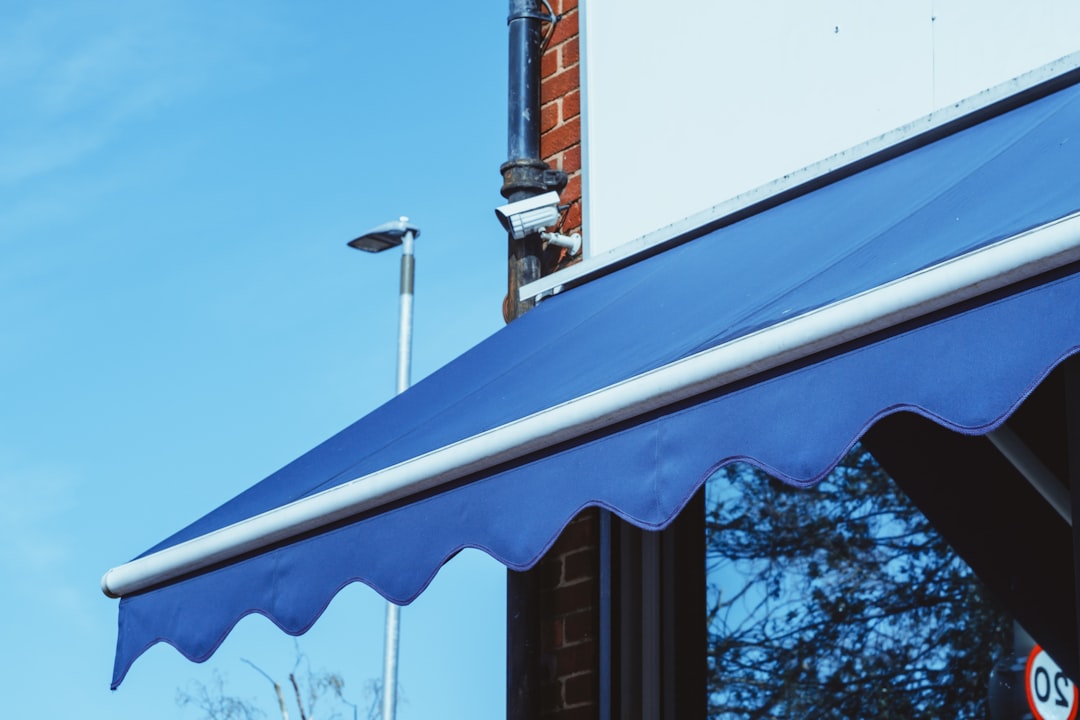
Outdoor living has become one of the most sought-after features in the modern home, and few upgrades deliver as much everyday comfort for the money as a well-chosen awning. Once thought of as a purely functional shopfront fixture, today’s awnings are sleek, engineered and remarkably versatile. The right one can cool a sun-baked patio, shield your interiors from fading, and give a tired façade an instant lift. If you are weighing up ways to make your home more comfortable and more energy efficient, here is what to know before you buy.
Understanding the main types
Most awnings fall into a handful of categories. Retractable awnings extend and fold away on demand, giving you shade when you want it and open sky when you don’t. Fixed-frame awnings stay permanently in place and tend to be sturdier, which makes them ideal for doorways and windows that need year-round protection. Freestanding or patio awnings create a sheltered zone away from the house, perfect for dining areas and poolsides. Finally, glass and polycarbonate awnings offer a clean, contemporary look while still letting daylight filter through, a popular choice for entrances and walkways.
The benefits go beyond shade
Shade is only the beginning. By blocking direct sun before it reaches your windows, an awning reduces solar heat gain and can noticeably lower the cost of cooling a room through the warmer months. It also protects flooring, furniture and artwork from the ultraviolet light that causes colours to fade over time. Just as importantly, an awning extends your usable living space, turning a patio or balcony into a comfortable outdoor room in almost any weather. And because a tidy, well-fitted awning sharpens a property’s exterior, it can add genuine kerb appeal when the time comes to sell.
For many homeowners, that combination of lower energy use, protected interiors and improved appearance is what makes an awning one of the most cost-effective exterior upgrades available, often paying for itself in comfort long before it does in resale value.
Match the awning to your climate
Climate is the single biggest factor in choosing an awning, and it is where many homeowners go wrong. In mild, temperate conditions a simple fabric retractable will serve you well. In regions of intense sun, heavy rainfall and high humidity, however, the engineering demands rise sharply: wind loading, proper drainage and corrosion-resistant fixings all become critical. In tropical cities such as Singapore, a well-built awning is engineered around monsoon-grade wind ratings, UV-stable fabrics and installation rules that apply to both high-rise and landed homes. Wherever you live the lesson is the same: choose materials and fittings rated for your local conditions, because that is what separates an awning that lasts a decade from one that sags after a single season.
Materials and maintenance
The most common awning fabric is solution-dyed acrylic canvas, prized for holding its colour and resisting mildew. Frames are usually powder-coated aluminium, which stays light yet rust-resistant, while polycarbonate and tempered glass suit those after a more permanent, architectural finish. Maintenance is refreshingly simple. Brush off debris and rinse the fabric a few times a year, retract or secure the awning ahead of strong storms, and periodically check that the wall fixings remain tight. A few minutes of care each season will add years to its life.
Why professional installation matters
It can be tempting to treat an awning as a weekend DIY project, but installation is where quality is won or lost. An awning carries significant wind load, so the fixings must be anchored into sound structure, not simply render or cladding. The junction where the awning meets the wall has to be properly weatherproofed to prevent leaks, and in many areas there are building requirements to satisfy. A reputable installer will assess the structure, recommend the correct system for your aspect and climate, and back the work with a warranty, so you can be confident the finished result is both safe and built to last.
The bottom line
An awning is a modest investment that repays you in comfort, lower cooling bills and a more inviting home. Take the time to match the type, material and installer to your climate and your property, and you will be enjoying cooler afternoons and a smarter-looking exterior for many years to come.