


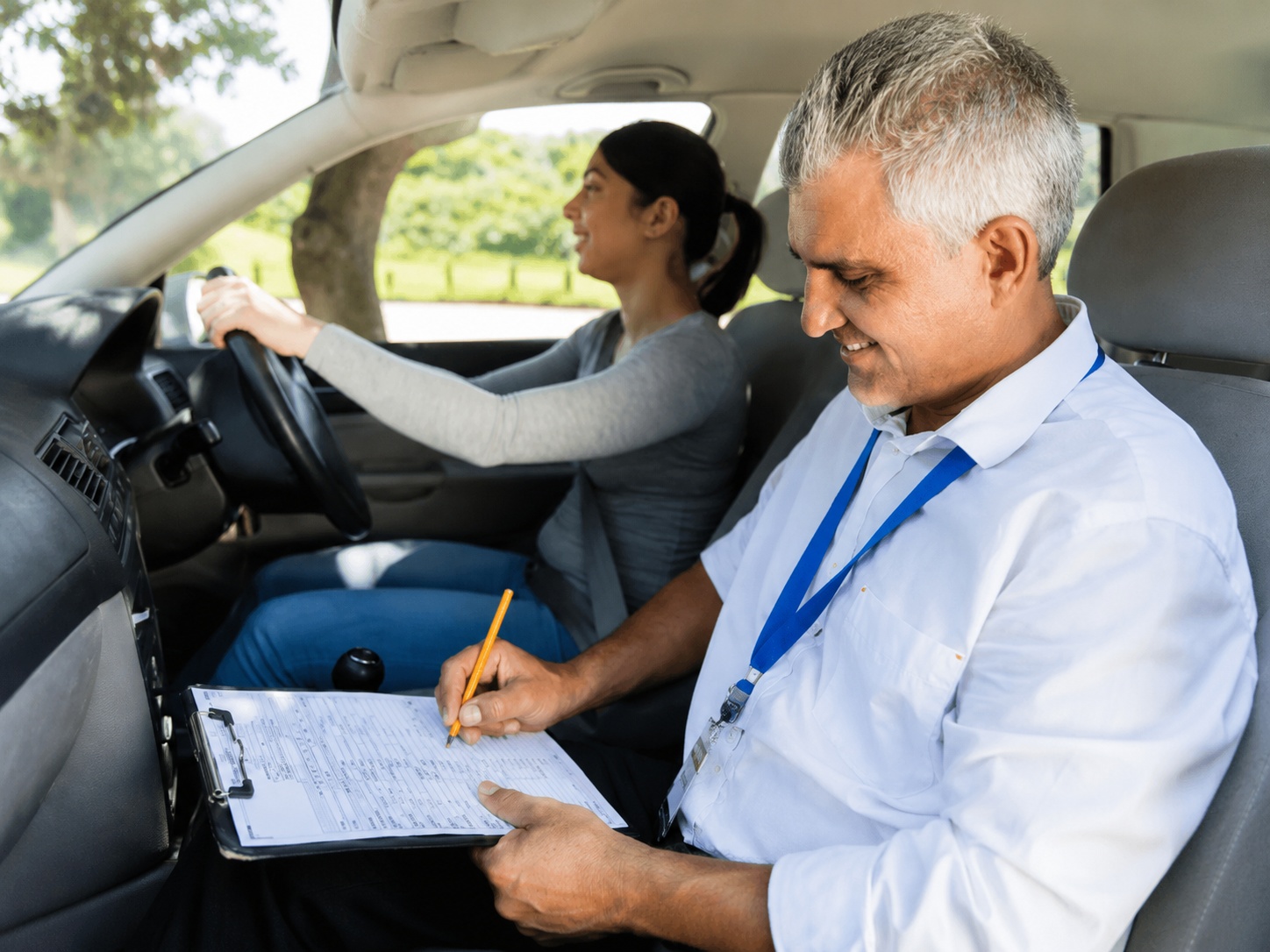
Passing your practical driving test is about more than completing enough lessons. Success comes from building confidence, developing good driving habits and practising in situations that closely reflect the real test. While your instructor plays an essential role in teaching safe driving techniques, the preparation you do between lessons can have an equally significant impact on your performance.
Choosing the best driving test app can make that preparation far more effective. Rather than relying on guesswork or practising the same familiar roads repeatedly, the right app helps learners understand test routes, improve weaker areas and gain experience in realistic driving conditions. With structured practice and useful guidance, learners can approach their test feeling more prepared and confident.
Why Preparation Matters More Than Extra Lessons
Many learner drivers believe that booking more lessons is the fastest way to improve, but lesson time is often limited and focused on introducing new skills. Without regular practice between lessons, it can be difficult to build confidence and consistency behind the wheel.
Independent practice allows learners to reinforce what they have already learned, improve observation skills and become familiar with different road conditions. Combining professional instruction with regular practice helps build confidence, makes each lesson more productive and prepares learners more effectively for their practical driving test.
What Separates a Great Driving Test App from an Average One?
Not every driving app offers the same level of support. Some focus only on theory revision, while others simply provide basic navigation or limited practice materials. A best driving test app goes much further by helping learners prepare for the practical driving test in a structured and realistic way.
The driving test app should provide tools that genuinely support practical driving, including:
- Real driving test routes based on local test centres.
- Guided navigation for independent practice.
- Mock driving tests that reflect real test conditions.
- Progress tracking to monitor improvement.
- Information about individual driving test centres.
- Regular updates that reflect current driving test requirements.
Rather than encouraging random practice, these features help learners build confidence systematically. Each practice drive becomes an opportunity to improve specific skills while becoming more familiar with the types of roads and situations they are likely to encounter on test day.
Learning the Roads Before Test Day
Every driving test centre has its own road layouts, junctions and traffic conditions that can present different challenges. Although examiners may vary the exact route, they often include roads and situations that regularly test a learner’s ability to make safe and confident decisions.
Practising on routes similar to those used during practical tests helps remove much of the uncertainty that learners often experience. Familiarity with busy roundabouts, complicated junctions, changing speed limits and residential streets allows drivers to concentrate on driving safely rather than worrying about where they are going.
Knowing the local area also improves anticipation. Instead of reacting to unfamiliar road layouts at the last moment, learners become more confident in recognising potential hazards, selecting the correct lane and responding calmly to changing traffic conditions. This familiarity can significantly improve overall driving performance during the practical test.
Building Confidence Through Realistic Practice
Confidence plays a major role in driving test success, but genuine confidence comes from experience rather than simply hoping for the best. Many learners feel comfortable driving familiar roads with their instructor beside them, yet become anxious when faced with independent driving or unfamiliar situations. Practising in conditions that closely mirror the practical test helps bridge this gap and prepares learners for what they are likely to experience on test day.
Mock driving tests are particularly valuable because they encourage learners to drive without constant guidance while making their own decisions. Following sat nav directions, responding to changing road conditions and completing manoeuvres independently all help recreate the experience of the practical test. The more frequently learners practise under these conditions, the more natural and confident their driving becomes.
Measuring Progress Instead of Guessing
Many learner drivers find it difficult to judge whether they are making real progress. Simply spending more time driving is not always enough if the same mistakes continue to be repeated.
A driving test app that tracks completed routes and highlights areas for improvement gives learners a clearer understanding of their progress, helping them focus on the skills they need to develop before test day.
| Random Practice | Structured Practice with a Driving Test App |
| Repeats familiar routes | Covers realistic driving test routes |
| Progress is difficult to measure | Tracks improvement over time |
| Mistakes often go unnoticed | Identifies areas needing further practice |
| Limited preparation for the test | Builds confidence through structured learning |
This organised approach helps learners prepare more efficiently while making every practice session more productive.
Making Better Use of Every Driving Lesson
Driving lessons are a valuable investment, so making the most of each session is important. Learners who practise independently between lessons often arrive better prepared, allowing instructors to focus on refining advanced skills instead of revisiting the same basic mistakes.
This creates a more productive learning experience because lesson time can be used to improve observation, manoeuvres and decision-making rather than repeating previous exercises. Instructors are also able to introduce more challenging driving situations as confidence grows, helping learners reach test standard more quickly.
Combining professional instruction with structured practice creates a balanced approach to learning. Instead of relying solely on weekly lessons, learners continue improving between appointments, reinforcing what they have already learned and building confidence at a steady pace.
Preparing for Test Day with Less Stress
Feeling nervous before a practical driving test is completely normal, but good preparation can significantly reduce uncertainty. Learners who have already practised realistic routes, experienced mock tests and become familiar with local road layouts often approach the test with greater confidence because fewer situations feel unfamiliar.
Before your practical test, it helps to:
- Practise routes around your chosen test centre.
- Revisit challenging junctions and roundabouts.
- Complete realistic mock driving tests.
- Become comfortable following sat nav directions.
- Focus on improving weaker driving skills.
- Build confidence through regular, consistent practice.
Preparing in this way allows learners to concentrate on driving safely and confidently rather than worrying about unexpected situations during the examination.
Conclusion
Passing your practical driving test is not simply about completing more driving lessons—it is about preparing in the right way. Consistent practice, realistic driving experiences and regular feedback all help learners build the confidence and skills needed to perform well on test day. Choosing the best driving test app allows you to prepare more effectively by practising realistic routes, monitoring your progress and developing the confidence needed to succeed.
If you are looking for a practical way to strengthen your preparation, Test Routes provides real driving test routes, mock driving tests, local test centre information and guided practice designed to help learners approach their practical test with greater confidence and improve their chances of passing.
Author Name: Virendra Patel
Virendra Patel shares expert insights on driving tests, learner preparation, and test centre guidance. His content helps new drivers feel more confident and informed on the road to getting their licence.