


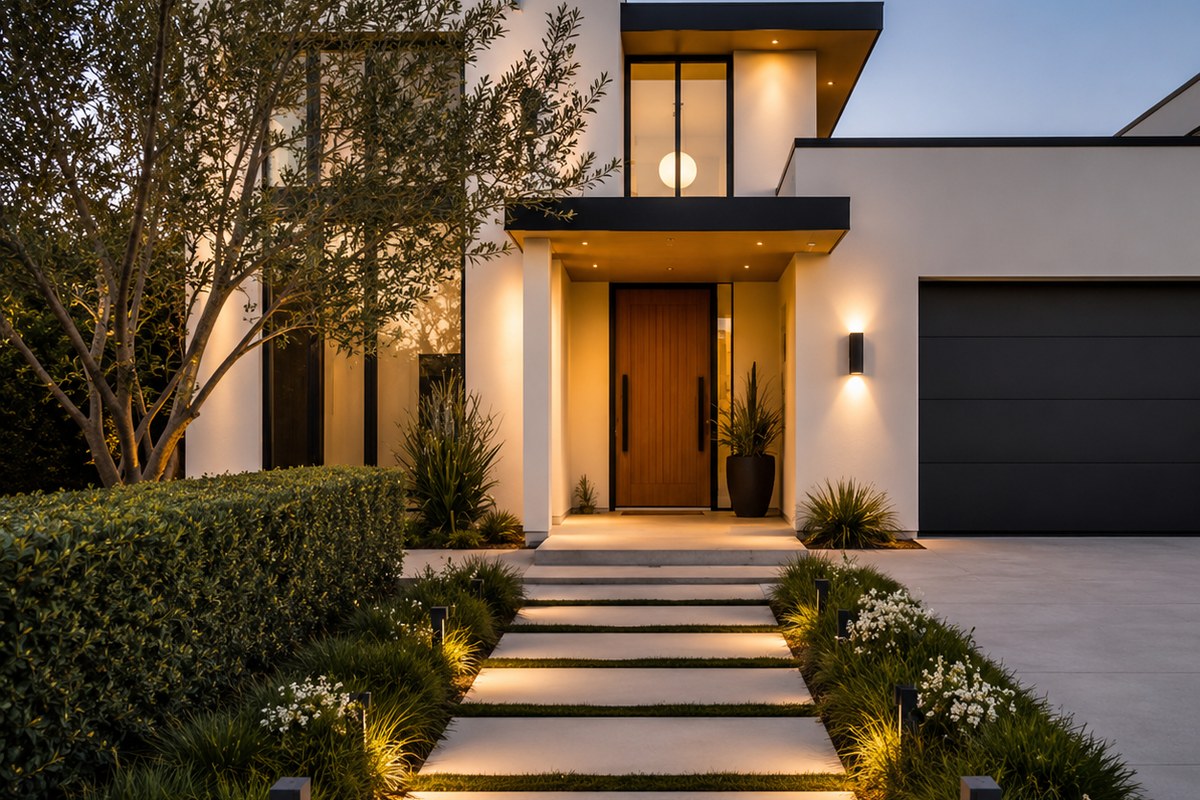
The exterior of your home tells a story before anyone steps through the front door. Whether you are preparing to sell, welcoming guests, or simply investing in your property’s long-term value, the way your home presents itself from the street matters more than most homeowners realize. Contemporary curb appeal is no longer just about a freshly mowed lawn or a coat of paint — it is a deliberate, design-forward approach that blends architecture, landscaping, lighting, and detail into a cohesive visual statement. Understanding how to achieve this kind of polished exterior look requires both creativity and strategy.
Why First Impressions Are Worth the Investment
Real estate professionals consistently report that homes with strong curb appeal sell faster and at higher prices than comparable properties with neglected exteriors. But the value of a well-maintained, thoughtfully designed exterior extends far beyond resale. It signals pride of ownership, contributes to neighborhood aesthetics, and creates a welcoming atmosphere for everyone who visits. Studies in residential design have shown that buyers form an emotional impression of a home within the first seven seconds of seeing it — and that impression is almost entirely shaped by what they see from the outside.
This means that every element visible from the street — the driveway, the front door, the landscaping, the lighting, and even the house numbers — plays a role in shaping perception. Neglecting any one of these components can undermine an otherwise beautiful exterior. Conversely, getting each detail right creates a harmonious, elevated look that feels intentional and sophisticated.
The Building Blocks of a Modern Exterior
Landscaping That Frames, Not Overwhelms
Contemporary landscaping favors clean lines, native plants, and low-maintenance design. Rather than filling every inch of the front yard with flowers and shrubs, modern landscaping uses negative space deliberately. Ornamental grasses, structured hedges, and architectural plants like agave or boxwood create visual interest without clutter. Mulched beds with defined borders give the landscape a finished, intentional look that complements modern and transitional home styles equally well.
Hardscaping is equally important. A well-designed front walkway — whether it is poured concrete, natural stone, or pavers — guides the eye from the street to the front door and sets the tone for the entire property. Avoid cracked or uneven surfaces, as these immediately detract from even the most carefully maintained plantings.
Exterior Paint and Material Choices
Color is one of the most powerful tools in curb appeal design. Contemporary homes often lean toward neutral palettes — warm whites, deep charcoals, soft greiges — accented with bold front door colors that create a focal point. The key is contrast: a dark exterior with a lighter trim, or a light facade with a dramatically colored door, creates visual depth and dimension that reads beautifully from the street.
Material choices also matter. Mixed materials — combining wood, metal, stone, and fiber cement — add texture and visual complexity that elevates a home’s exterior beyond the ordinary. Even small material updates, like replacing outdated shutters or adding board-and-batten siding to a garage facade, can dramatically modernize a home’s appearance without a full renovation.
Lighting, Hardware, and the Details That Define the Look
Exterior lighting serves both a functional and aesthetic purpose. Well-placed lighting extends curb appeal into the evening hours, highlights architectural features, and improves safety. Contemporary lighting design favors clean, geometric fixtures in matte black, brushed nickel, or aged brass. Path lighting, uplighting for trees, and sconces flanking the front door create layers of illumination that make a home look polished and inviting after dark.
Hardware and accessories — door handles, mailboxes, and house numbers — are the finishing touches that separate a good exterior from a great one. These elements are often overlooked, yet they are among the most visible details a visitor or passerby notices. Mismatched or dated hardware can make even a freshly painted home feel unfinished. Choosing cohesive, modern finishes across all exterior accessories ties the entire design together.
Modern House Numbers: A Small Detail with Major Impact
One of the most underestimated elements of exterior design is the house number. It is one of the few details that every visitor, delivery driver, and passerby will look for — and yet it is frequently an afterthought. Upgrading to sleek, modern house numbers in a finish that complements your exterior hardware is a simple, affordable change that immediately elevates the overall look. Tips for creating Contemporary Curb Appeal consistently highlight house numbers as a high-impact, low-cost upgrade that homeowners often overlook until they see the before-and-after difference for themselves. The right number style — whether floating, backlit, or flush-mounted — can reinforce your home’s architectural personality and add a layer of intentional design that guests notice immediately.
Modern House Numbers: A Brand Built on the Details
Modern House Numbers has built its reputation on the understanding that exterior design lives in the details. The brand offers a curated collection of house numbers and address plaques designed to complement contemporary, transitional, and modern architectural styles. Each product is crafted with attention to finish, proportion, and durability — qualities that matter when a product is exposed to the elements year-round. For homeowners who have invested in landscaping, paint, and lighting, Modern House Numbers provides the final piece of the exterior design puzzle: a house number that looks like it belongs, not like an afterthought.
Curb Appeal as a Lifestyle Reflection
There is a broader cultural conversation happening around how we present our homes to the world. The rise of home improvement content, design-forward real estate photography, and social media has made homeowners more aware than ever of how their properties look from the outside. This awareness has translated into a genuine investment in exterior design — not just for resale, but for personal satisfaction and community pride.
Interestingly, this trend parallels the growing interest in home-based businesses and entrepreneurial ventures. Just as a mailbox startup built a multimillion-dollar business by focusing on a single overlooked household touchpoint, homeowners are discovering that small, targeted improvements to their exterior can yield outsized returns — both financially and aesthetically.
Preparing Your Home for Guests and Visitors
Curb appeal is not only about long-term investment — it is also about the everyday experience of welcoming people into your space. Whether you are hosting a dinner party, a holiday gathering, or an impromptu visit, the exterior of your home sets the emotional tone for what guests will experience inside. According to Southern Living’s guide on welcoming drop-in guests, the feeling of being warmly received begins before anyone rings the doorbell — it starts at the curb, with the impression your home makes the moment someone pulls into the driveway.
Conclusion: Design Every Detail with Intention
Achieving genuine contemporary curb appeal is not about spending the most money or following the latest trends. It is about approaching your home’s exterior with the same intentionality you bring to your interior spaces. Every element — from the landscaping to the lighting to the house numbers — contributes to a unified visual story. When those elements work together, the result is a home that feels complete, confident, and genuinely welcoming. Start with the details you can control today, and build toward the exterior your home deserves.

