


Cheltenham’s outdoor spaces are part of what makes it distinctive. Regency gardens behind iron railings, generous suburban plots surrounding Victorian villas, commercial frontages that contribute to the town’s overall character. Professional landscapers in Cheltenham work across all of it — and the range of what good landscaping actually involves is broader than most property owners expect before they start planning a project.
What Professional Landscapers Actually Do
The work combines design expertise, horticultural knowledge, and construction skills in ways that aren’t always obvious from the outside. It’s not just planting — it’s drainage, accessibility, materials specification, long-term maintenance planning, and integrating all of that into a coherent design that suits the property and the people using it.
Cheltenham’s mix of historic properties, modern developments, and rural surroundings creates genuinely varied demands. A small urban garden in the town centre needs different solutions from a generous plot surrounding a Victorian semi in Leckhampton. Getting that assessment right at the start shapes everything that follows.
Hard Landscaping: The Structural Foundation
Patios, driveways, retaining walls, decking, paths, fencing — these structural elements define how an outdoor space functions and how much of it is genuinely usable. Natural stone, concrete, brick, composite materials — the choice affects durability, appearance, and maintenance requirements across the lifetime of the installation.
The benefits are real: long-lasting performance, improved accessibility, more usable outdoor space. The challenges are equally real. Hard landscaping carries higher upfront costs, and drainage becomes critical — surfaces that don’t manage water properly create problems that are expensive to fix after the fact. Good landscapers in Cheltenham incorporate drainage considerations from the design stage rather than treating them as an afterthought.
One thing worth understanding: hard landscaping is largely permanent. Changes after installation are costly and disruptive. Getting the design right before anything goes in the ground is worth the time investment.
Soft Landscaping: The Living Element
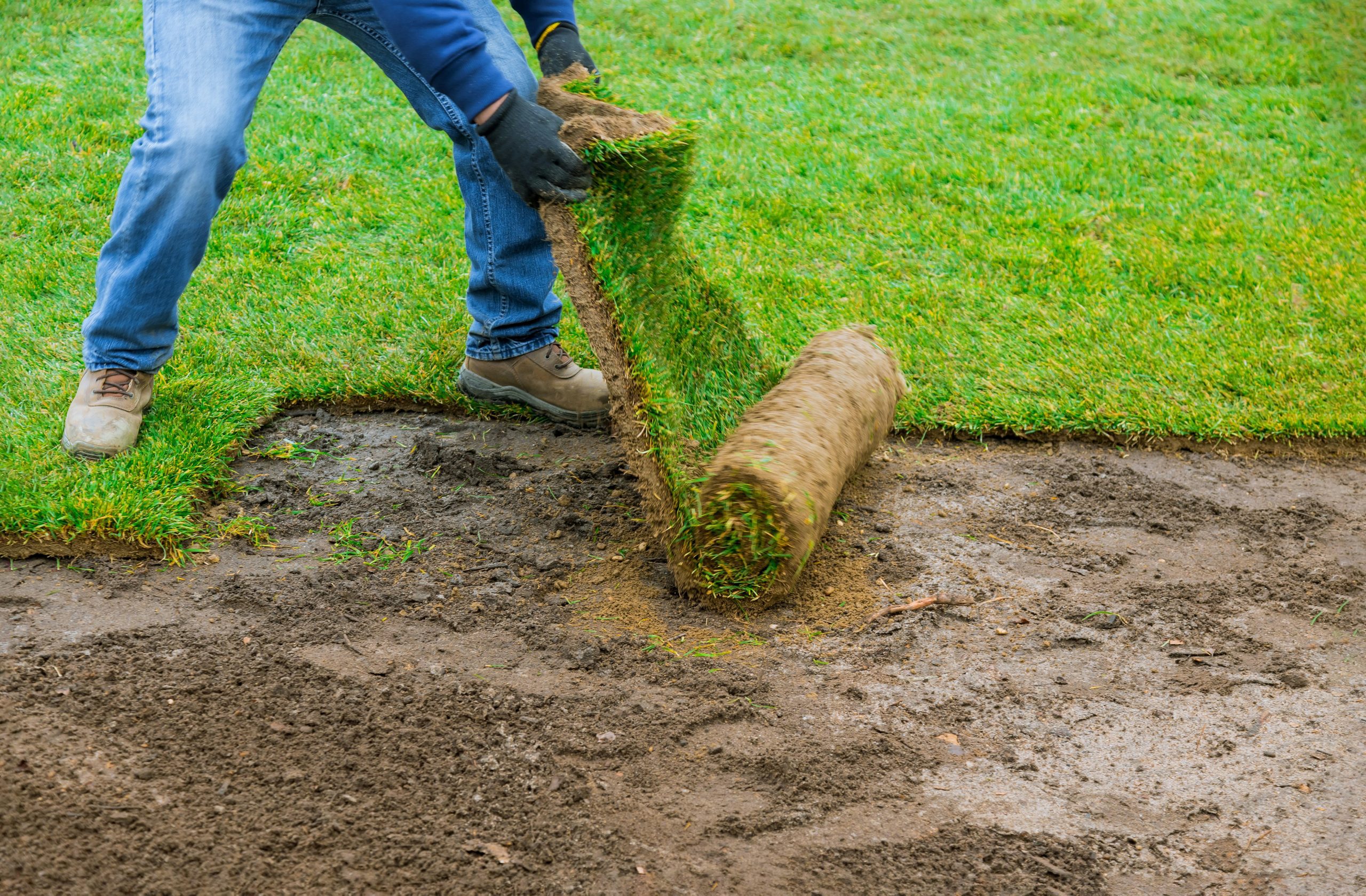
Trees, shrubs, flowers, turf, hedges, seasonal planting — soft landscaping contributes to biodiversity, visual appeal, and environmental performance in ways that hard surfaces simply can’t. A well-planted garden supports wildlife, improves air quality, provides seasonal interest, and changes character as it matures.
The trade-off is ongoing maintenance. Planting schemes that look spectacular in photographs often require regular pruning, feeding, watering, and seasonal care to stay that way. Before specifying a complex planting design, property owners should be honest about how much time they’ll realistically put into maintaining it. A simpler scheme that gets maintained properly nearly always outperforms a complicated one that doesn’t.
Local Conditions and Cheltenham’s Climate
Cheltenham’s climate is relatively mild but brings seasonal rainfall, occasional frosts, and temperature variation that all affect plant selection and drainage requirements. Species that thrive locally need less irrigation and intervention — using inappropriate plants creates maintenance problems that compound over time.
Drainage deserves particular attention. Heavy rainfall on poorly designed outdoor spaces creates waterlogging that damages planting, deteriorates hard surfaces, and makes gardens unpleasant to use. Permeable surfaces, drainage channels, and correct grading manage this effectively. Properties that ignore it pay for it eventually.
Sustainability: Now Central, Not Optional
Wildlife-friendly design has moved from niche preference to mainstream expectation. Native planting schemes, pollinator-friendly flowers, bird habitats, wildlife ponds — these features increase biodiversity and create more dynamic, resilient gardens. Landscapers Cheltenham clients work with increasingly incorporate these elements as standard rather than as add-ons.
Water management thinking has shifted similarly. Rainwater harvesting, permeable paving, rain gardens, improved soil management — these reduce runoff and improve water efficiency in ways that matter both environmentally and practically as weather patterns become less predictable.
Material choices carry environmental weight too. Locally sourced stone, recycled materials, sustainably produced timber — these reduce transportation emissions and environmental impact. Clients who care about this are asking for it more directly, and good landscapers are responding.
The Property Value Question
Well-maintained outdoor spaces contribute positively to property value and buyer impressions — research consistently supports this. Improved kerb appeal, better outdoor living areas, greater functionality, improved privacy — these matter to buyers in Cheltenham’s active residential market.
The caveat is worth noting. Highly personalised designs that reflect specific tastes can appeal strongly to some buyers while putting others off. Landscaping that combines visual appeal with practical usability tends to deliver broader market appeal than designs that prioritise one over the other.
Commercial Landscaping
Businesses, schools, healthcare facilities, and hospitality venues across Cheltenham have landscaping needs that differ from residential projects. Safety and accessibility compliance, brand image, visitor experience, long-term maintenance efficiency — these priorities shape commercial landscape design in ways that purely aesthetic considerations don’t.
A well-designed commercial landscape creates a strong first impression and supports operational requirements simultaneously. A poorly maintained one does the opposite — and in Cheltenham’s competitive hospitality and retail environment, that impression matters.
Getting the Approach Right
Property size, intended use, long-term goals, maintenance appetite, and budget all shape what landscaping actually makes sense for a specific property. There’s no universal answer — the right approach for a small town centre courtyard is nothing like the right approach for a large rural property outside the town.
The landscapers worth working with in Cheltenham ask these questions before proposing solutions. The ones who arrive with standard packages and apply them regardless of context are the ones worth avoiding.