


Quick Answer
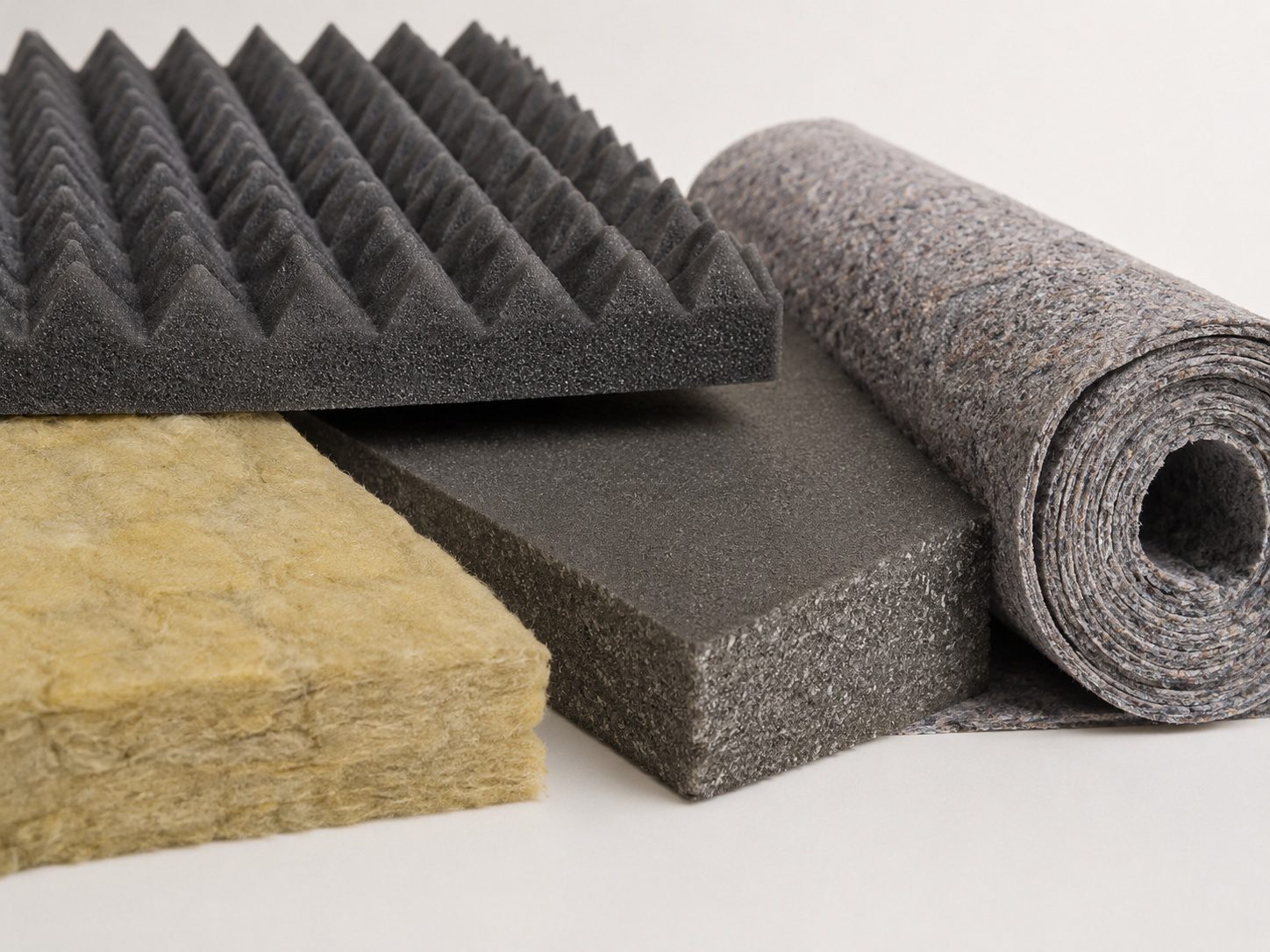
Acoustic insulation materials help reduce unwanted noise by absorbing, blocking, or controlling sound movement through walls, floors, and ceilings. They are used in homes, apartments, offices, hotels, and commercial buildings to improve privacy, comfort, and everyday usability. Common options include mineral wool, acoustic plasterboard, acoustic panels, underlay systems, and specialist seals.
Why Acoustic Comfort Matters in Modern Buildings
Noise is one of those design details people often notice only when it becomes a problem. A flat with thin walls, an office where every conversation carries, or a hotel room affected by corridor noise can quickly feel less comfortable, no matter how well it has been decorated.
That is why acoustic insulation materials are becoming an important part of modern building design. They support better privacy, calmer interiors, and more practical spaces for everyday living and working. For readers following home improvement advice, acoustic performance is worth considering early, especially when planning renovation, refurbishment or new-build projects.
Good acoustic design does not always mean creating a completely soundproof room. In many buildings, the real aim is to reduce disturbance, soften echo, and make spaces feel more controlled. The right material can make a bedroom quieter, a meeting room more private, or an open-plan workplace easier to use.
What Are Acoustic Insulation Materials?
Acoustic insulation materials are products designed to manage sound. Some absorb sound energy, some reduce sound transmission, and others help seal gaps where noise can travel. In practice, effective acoustic design often uses more than one solution.
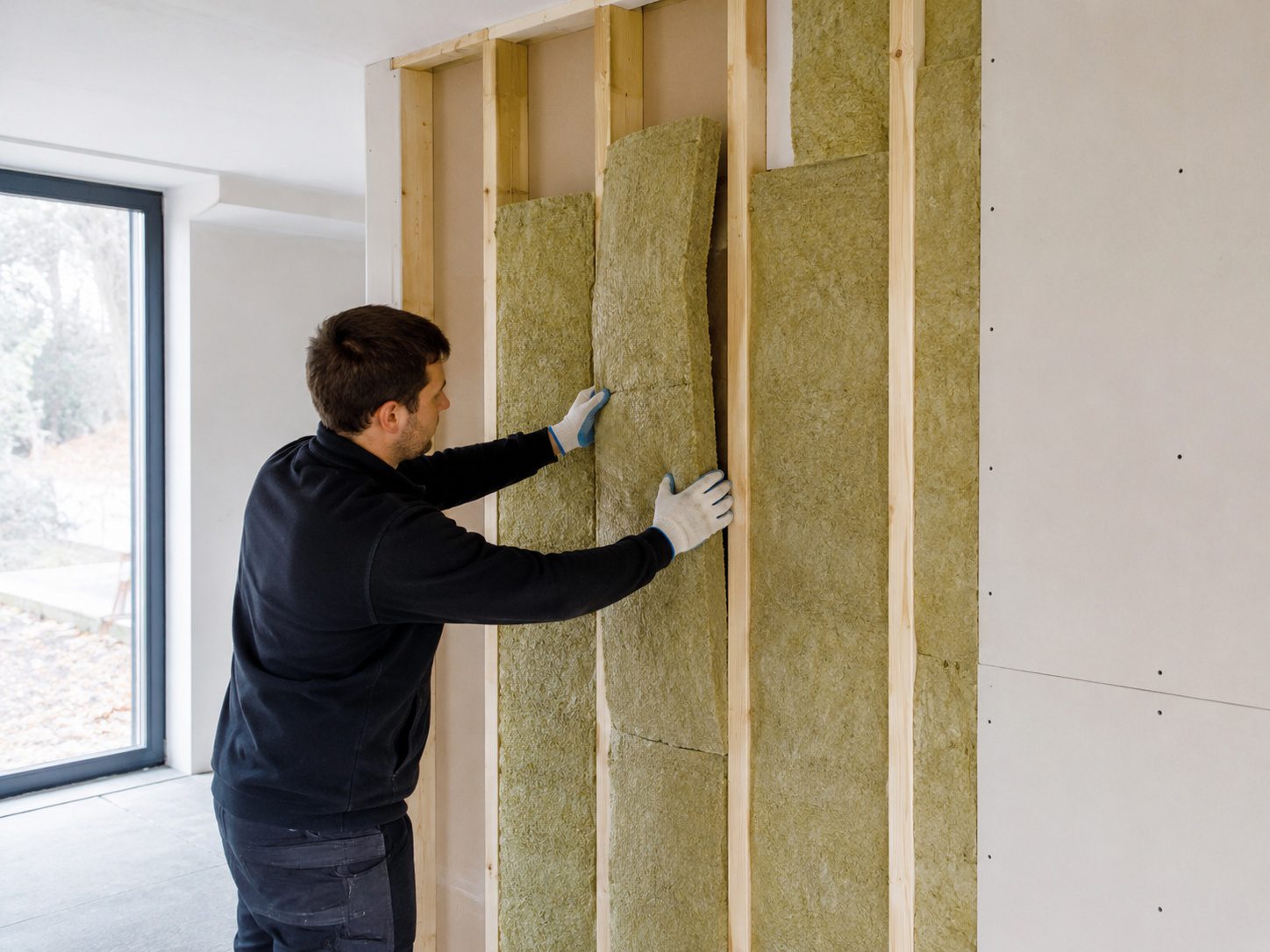
For example, a partition wall might use dense plasterboard to add mass, mineral wool inside the cavity to absorb sound, and sealant around the edges to stop noise leaking through small gaps. Floors may need acoustic underlay, while ceilings can benefit from suspended systems or absorbent panels.
The best choice depends on the space, the type of noise, and the building structure. Airborne noise, such as voices or music, behaves differently from impact noise, such as footsteps or furniture movement. A good specification usually starts by identifying the source of the problem.
Common Types of Acoustic Insulation Materials
There is no single material that solves every acoustic issue. Most projects use a combination of products chosen for the wall, floor, ceiling or room type.
Mineral Wool and Acoustic Slabs
Mineral wool is commonly used inside walls, floors, and ceilings because it can absorb sound within cavities. It is often specified in residential and commercial buildings where better separation between rooms is needed.
Acoustic Plasterboard
Acoustic plasterboard adds mass to a wall or ceiling system. This can help reduce sound transfer, especially when used as part of a full build-up rather than as a single product on its own.
Acoustic Panels
Acoustic panels are often used to improve the sound quality inside a room. They do not usually replace insulation within walls, but they can reduce echo and make interiors feel more comfortable, especially in offices, restaurants, studios, and shared spaces.
Acoustic Underlay
Underlay systems are useful beneath flooring where impact noise is an issue. They are often considered in apartments, upper floors, conversions, and projects where footsteps can carry through the structure.
Seals, Tapes, and Gaskets
Small gaps around doors, service penetrations, wall edges, and floor junctions can weaken acoustic performance. Specialist seals and tapes help close these weak points and support the overall system.
Where Acoustic Insulation Materials Are Used
Acoustic materials can be used across many areas of a building. In homes, they are often considered for bedrooms, home offices, media rooms, party walls, and floors between apartments. In commercial spaces, they can support meeting rooms, hotels, healthcare spaces, schools, restaurants, and coworking areas.
The growth of hybrid working has also made acoustic comfort more important at home. A room used for video calls, study or focused work may need more than a desk and good lighting. It may also need better control over background noise.
In hotels and rental properties, acoustic performance can influence the overall user experience. People may not see the insulation, but they can feel the difference when a space is quieter and more private.
How to Choose the Right Acoustic Material
Choosing acoustic insulation materials should start with the building problem, not only the product name. A material that works well in a ceiling may not be the best answer for a wall. A solution designed for echo control may not be enough for noise transfer between rooms.
Key factors to consider include:
- Type of noise: voices, traffic, music, footsteps, or mechanical equipment.
- Location: wall, floor, ceiling, door, service void, or open room surface.
- Building type: house, apartment, office, hotel, school, or mixed-use space.
- Performance target: reducing transmission, improving privacy, or controlling reverberation.
- Installation needs: new build, retrofit, refurbishment, or minor improvement work.
- Fire, moisture, and durability requirements for the specific space.
For UK residential and education projects, it is also sensible to check relevant building guidance. The government’s Approved Document E covers resistance to the passage of sound for dwelling-houses, flats, rooms for residential use, and schools.
Benefits for Homes and Commercial Spaces
The main benefit of acoustic insulation is comfort, but the value goes further than that. Better sound control can improve sleep, concentration, privacy, and the quality of shared spaces.
In residential projects, acoustic materials can make apartments feel more private and reduce disturbance between rooms. In offices, they can support focus and clearer communication. In hotels, restaurants, and leisure spaces, they help shape the atmosphere and make the environment more pleasant for guests.
Acoustic performance can also support long-term property value. Buildings that feel quieter, calmer, and better designed are often easier to live in and more appealing to occupiers.
Mistakes to Avoid
One common mistake is treating acoustic insulation as an afterthought. Once walls, floors, and ceilings are finished, improving sound performance can become more disruptive and expensive.
Another mistake is relying on one product without considering the whole system. Acoustic performance depends on how materials work together, how they are installed, and whether gaps or weak points have been properly sealed.
It is also important not to confuse sound absorption with sound blocking. Soft panels can help reduce echo inside a room, but they may not stop noise from passing through a wall. For serious sound transfer issues, the full construction build-up matters.
Final Thoughts
Acoustic insulation materials play a quiet but important role in modern buildings. They help create spaces that feel calmer, more private, and easier to use, whether the project is a family home, apartment block, office, hotel or public building.
The best results usually come from choosing materials early, understanding the type of noise involved and treating walls, floors, ceilings, and gaps as part of one system. With the right approach, acoustic insulation can improve not just how a building performs, but how it feels every day.
FAQs
What are acoustic insulation materials?
Acoustic insulation materials are products used to reduce, absorb, or control sound within a building. They can be installed in walls, floors, ceilings, and interior surfaces.
Where are acoustic insulation materials most commonly used?
They are commonly used in apartments, homes, offices, hotels, schools, studios, restaurants, and commercial buildings where noise control and privacy matter.
Do acoustic panels soundproof a room?
Acoustic panels can reduce echo and improve sound quality inside a room, but they do not always stop noise from passing through walls. Full sound reduction usually needs a proper wall, floor, or ceiling system.
What is the best acoustic insulation material?
The best material depends on the project. Mineral wool, acoustic plasterboard, underlay, and panels all serve different purposes, so the right choice depends on the noise source and building structure.
Should acoustic insulation be planned early?
Yes. Planning acoustic insulation early usually gives better results and can avoid costly changes after construction or refurbishment work is complete.