


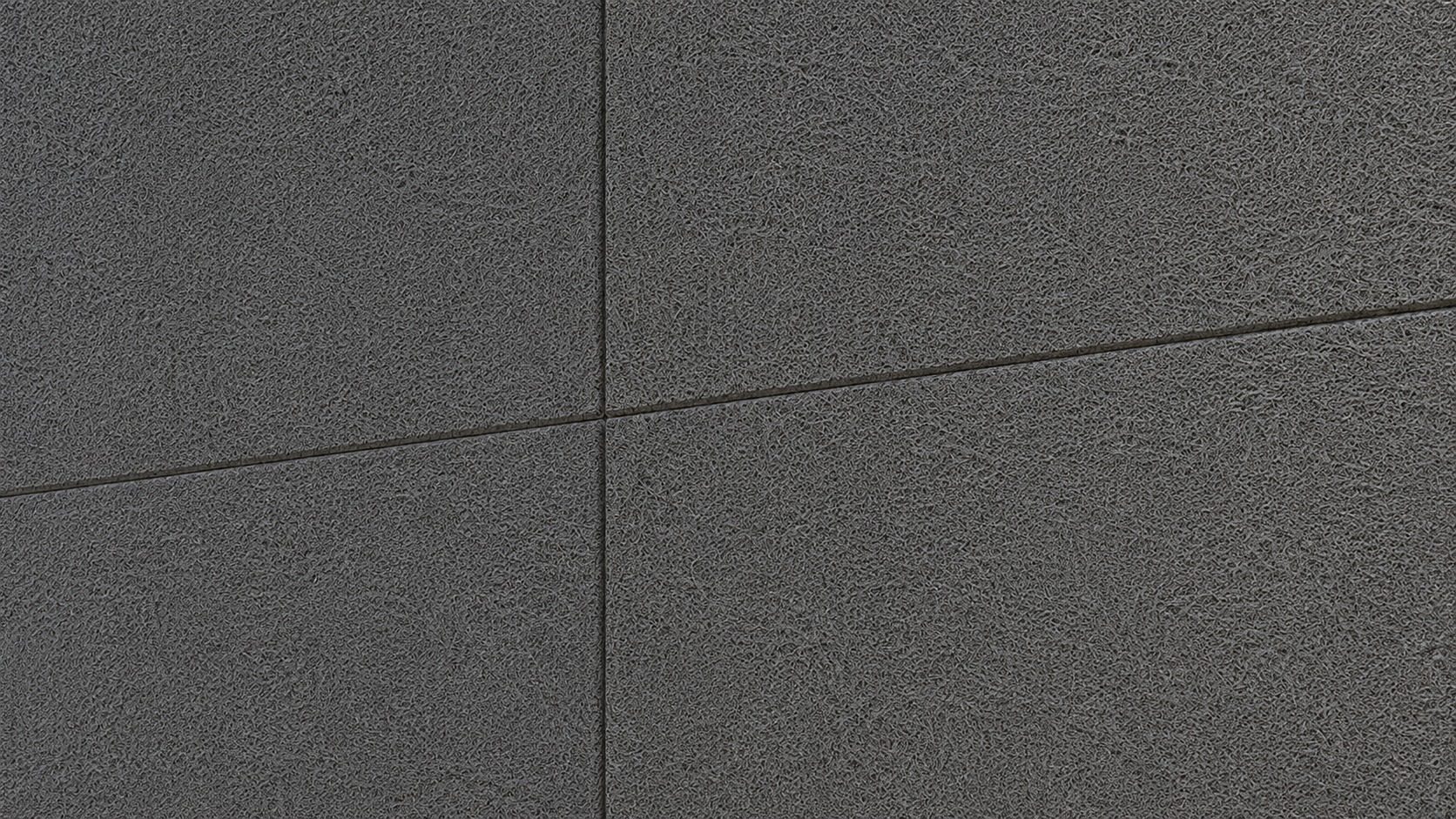
Open-plan offices have transformed the modern workplace. They encourage collaboration, improve communication, and make better use of available space. However, they also introduce a common challenge that many businesses struggle to address: excessive noise.
Conversations, phone calls, meetings, and office equipment can create a constant stream of distractions. While some level of activity is expected, too much noise can negatively impact concentration, productivity, and employee well-being.
This is where noise reducing fabric panels become an essential part of workplace design. These acoustic solutions help control sound, reduce distractions, and create a more comfortable environment for employees. Whether you’re managing a corporate office, a coworking hub, or a collaborative workspace, investing in acoustic treatments can significantly improve the overall experience.
Understanding the Noise Problem in Open-Plan Offices
Open-plan layouts remove physical barriers that traditionally separated employees. While this encourages teamwork, it also allows sound to travel freely throughout the space.
Common sources of workplace noise include:
- Employee conversations
- Virtual meetings
- Phone calls
- Printers and office equipment
- Foot traffic
- Collaborative discussions
Without proper acoustic treatment, these sounds can overlap and create an environment that feels chaotic and distracting.
Research consistently shows that excessive workplace noise can reduce productivity, increase stress levels, and make it harder for employees to perform tasks that require focus.
What Are Noise Reducing Fabric Panels?
Noise reducing fabric panels are acoustic products designed to absorb sound waves and minimize unwanted noise within a room.
Unlike hard surfaces that reflect sound, fabric-covered acoustic panels capture sound energy and reduce reverberation. This helps create a quieter and more balanced acoustic environment.
These panels are commonly installed on:
- Walls
- Partitions
- Meeting room surfaces
- Collaborative zones
- Reception areas
Because they are available in various colors, shapes, and sizes, they can enhance both acoustic performance and interior design.
Key Benefits of Noise-Reducing Fabric Panels
Improved Employee Concentration
One of the biggest advantages of fabric acoustic panels is their ability to reduce distractions.
When background noise is controlled, employees can:
- Focus for longer periods
- Complete tasks more efficiently
- Make fewer mistakes
- Experience less mental fatigue
This creates a workplace where productivity can thrive.
Enhanced Speech Clarity
In noisy offices, conversations often become difficult to understand. Employees may need to repeat themselves or raise their voices, adding even more noise to the environment.
Acoustic panels absorb excess sound, making speech clearer and improving communication between team members.
Better Employee Well-Being
Workplace noise can contribute to stress, frustration, and fatigue.
A quieter environment helps employees feel more comfortable and supported throughout the workday. Over time, this can improve job satisfaction and contribute to a healthier workplace culture.
Professional Appearance
Modern fabric panels are available in stylish designs that complement contemporary office interiors.
Instead of appearing purely functional, they can become attractive design features that enhance the overall aesthetic of a workspace.
Why Open-Plan Offices Need Acoustic Solutions
Increased Collaboration Requires Noise Control
Collaboration is one of the main reasons businesses choose open-plan layouts. However, collaboration naturally generates noise.
Without acoustic treatments, discussions between teams can easily disrupt nearby employees who need quiet for focused work.
This is why many organizations install noise reducing panels for coworking spaces to maintain a balance between collaboration and concentration.
Hybrid Work Environments Create New Challenges
Today’s workplaces often support both in-person and remote employees.
Video conferences, virtual meetings, and online collaboration tools introduce additional sound into office environments. Acoustic treatments help manage these challenges and ensure employees can communicate effectively without disturbing others.
Employee Expectations Are Changing
Modern workers increasingly expect workplaces that support both productivity and well-being.
Acoustic comfort is no longer considered a luxury. It has become an important component of workplace design that directly influences employee satisfaction and performance.
Fabric Panels vs Other Acoustic Solutions
Businesses have several options when addressing workplace noise. However, fabric panels offer unique advantages.
Fabric Panels
Benefits include:
- Effective sound absorption
- Attractive appearance
- Flexible installation options
- Cost-effective noise control
- Minimal disruption during installation
Acoustic Ceilings
Ceiling treatments are effective but may require more extensive installation work and higher budgets.
Freestanding Partitions
Partitions provide sound control and visual privacy but may not address overall room reverberation as effectively as wall-mounted solutions.
Soft Furnishings
Carpets and upholstered furniture contribute to sound absorption but are typically most effective when combined with dedicated acoustic treatments.
Best Practices for Installing Fabric Acoustic Panels
To maximize effectiveness, businesses should follow a strategic approach when installing acoustic panels.
Identify High-Noise Areas
Begin by assessing where noise problems occur most frequently.
Common problem areas include:
- Open workstations
- Meeting rooms
- Breakout spaces
- Reception areas
- Collaborative zones
Addressing these locations first often delivers the greatest improvements.
Combine Multiple Acoustic Strategies
The most successful acoustic environments use a combination of solutions.
For example:
- Install fabric wall panels.
- Add acoustic ceiling treatments.
- Use partitions where appropriate.
- Create designated quiet zones.
This layered approach provides better results than relying on a single solution.
Choose Quality Acoustic Products
Not all acoustic products offer the same performance.
Investing in high-quality acoustic wall tiles for noise reduction in offices can deliver long-term benefits while maintaining a professional appearance.
Consider Aesthetic Integration
Acoustic solutions should complement the overall office design.
Modern fabric panels can be customized to match branding, interior themes, and architectural styles, ensuring functionality does not come at the expense of aesthetics.
Common Mistakes to Avoid
Waiting Until Noise Becomes a Major Problem
Many businesses ignore acoustic issues until employee complaints become frequent.
Addressing noise concerns early is typically more cost-effective and helps prevent productivity losses.
Installing Too Few Panels
Acoustic treatment should be based on room size, layout, and noise levels.
Installing only a small number of panels may not provide meaningful improvements.
Focusing Only on Appearance
While aesthetics matter, acoustic performance should remain the primary consideration when selecting products.
Ignoring Future Growth
Office needs evolve over time.
Choose acoustic solutions that can adapt to changing layouts, team sizes, and work styles.
The Future of Acoustic Workplace Design
As workplace design continues to evolve, acoustics are becoming a greater priority.
Future offices are expected to focus on:
- Employee wellness
- Flexible work environments
- Hybrid collaboration
- Sustainable materials
- Enhanced acoustic comfort
Organizations that invest in acoustic improvements today will be better prepared to meet these changing expectations.
Conclusion
Noise is one of the most common challenges in open-plan offices, but it doesn’t have to compromise productivity or employee satisfaction. Noise reducing fabric panels provide an effective and visually appealing solution for controlling sound, improving concentration, and creating a more comfortable work environment.
From enhancing speech clarity and reducing distractions to supporting hybrid work models and employee well-being, acoustic panels offer benefits that extend far beyond simple noise reduction. By implementing the right acoustic strategies, businesses can create open-plan spaces that encourage collaboration while still supporting focused, productive work.
As organizations continue to prioritize employee experience and workplace performance, noise-reducing fabric panels will remain an essential element of modern office design.