


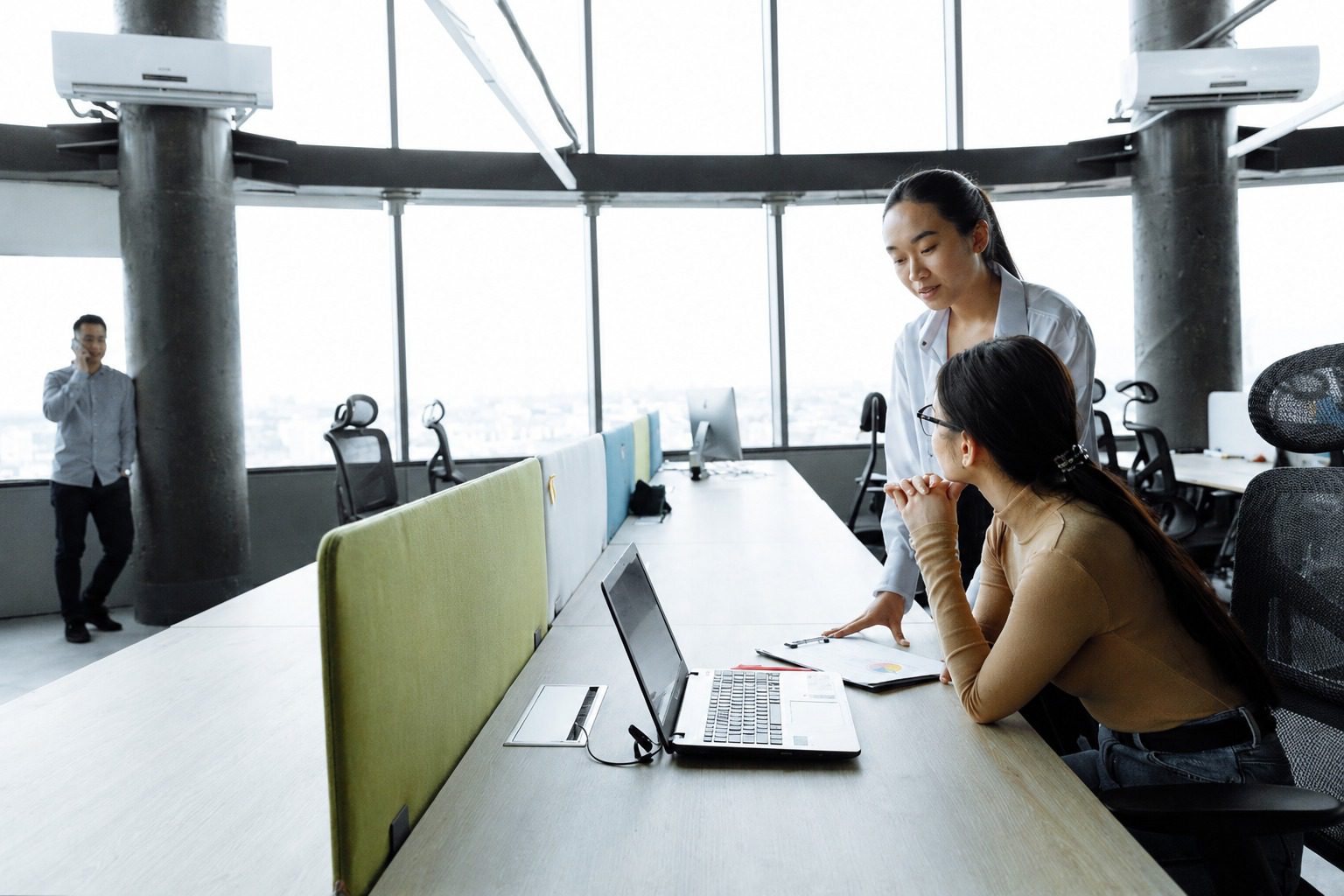
The modern workplace has evolved significantly over the past decade. Open-plan offices, collaborative spaces, and hybrid work models have become the norm for many organizations. While these changes encourage teamwork and flexibility, they also introduce a common challenge: noise.
Excessive noise can negatively affect concentration, productivity, communication, and employee well-being. Whether it’s conversations between coworkers, ringing phones, or virtual meetings, unwanted sound can create distractions that make it difficult to focus.
This is where workspace acoustics come into play. By designing an environment that manages sound effectively, businesses can create a more comfortable and productive workplace. In this guide, we’ll explore why acoustics matter, common workplace noise challenges, and practical strategies for improving acoustic performance in modern offices.
Why Workspace Acoustics Matter
Acoustics refer to how sound behaves within a space. In an office setting, poor acoustics can lead to excessive reverberation, speech distractions, and overall noise pollution.
When employees struggle to concentrate because of background noise, the effects can be significant:
- Reduced productivity
- Increased stress levels
- Lower employee satisfaction
- More communication errors
- Greater mental fatigue
On the other hand, a well-designed acoustic environment supports focus, collaboration, and overall workplace wellness.
Common Acoustic Challenges in Modern Offices
Open-Plan Office Noise
Open-plan layouts encourage interaction but often lack barriers that absorb or block sound. Conversations can easily travel across the room, making it difficult for employees to focus on individual tasks.
Hybrid Work Meeting Disruptions
As hybrid work becomes more common, offices frequently host video conferences and virtual meetings. These meetings can create additional noise that impacts nearby workers.
Organizations seeking effective office acoustic solutions for hybrid workspaces can benefit from integrating sound-absorbing materials and strategic space planning to accommodate both in-person and virtual collaboration.
Hard Surfaces and Sound Reflection
Many modern offices feature glass walls, concrete floors, and exposed ceilings. While visually appealing, these surfaces reflect sound rather than absorb it.
The result is increased echo and reverberation, which can make conversations harder to understand and create a noisier environment overall.
Lack of Private Spaces
Not every task requires collaboration. Employees often need quiet areas for focused work, confidential conversations, or important phone calls. Without designated quiet zones, distractions become unavoidable.
Key Elements of Effective Workspace Acoustics
Creating a productive acoustic environment requires a combination of design strategies rather than relying on a single solution.
Sound Absorption
Sound absorption reduces echoes and minimizes the amount of noise bouncing around a room.
Common sound-absorbing materials include:
- Acoustic wall panels
- Ceiling baffles
- Fabric-covered surfaces
- Acoustic partitions
- Soft furnishings
These materials help create a quieter and more comfortable workplace.
Sound Blocking
While absorption controls reflected sound, sound blocking prevents noise from traveling between spaces.
Examples include:
- Acoustic partitions
- Enclosed meeting rooms
- Sound-insulated walls
- Privacy screens
Combining absorption and blocking strategies often delivers the best results.
Space Planning
Thoughtful office layouts can significantly improve acoustic performance.
For example:
- Position collaborative zones away from focus areas.
- Create dedicated quiet workspaces.
- Separate meeting rooms from open desks.
- Use furniture arrangements to reduce noise transmission.
Even small layout adjustments can have a noticeable impact on workplace acoustics.
Best Acoustic Solutions for Modern Offices
Install Acoustic Wall Panels
Wall panels are among the most effective ways to reduce noise and improve speech clarity.
Many organizations invest in the best acoustic office panels for noise reduction because they help absorb excess sound while maintaining an attractive and professional appearance.
Acoustic wall panels can be installed in:
- Open workspaces
- Meeting rooms
- Reception areas
- Conference rooms
- Collaboration zones
Their versatility makes them a valuable addition to virtually any office environment.
Use Ceiling Treatments
Ceilings often account for a large amount of sound reflection.
Acoustic ceiling solutions such as:
- Ceiling clouds
- Hanging baffles
- Acoustic tiles
can significantly reduce reverberation and improve overall sound quality throughout the workspace.
Add Acoustic Partitions
Partitions create visual and acoustic separation between workstations.
Benefits include:
- Reduced distractions
- Increased privacy
- Improved concentration
- Better noise management
Modern acoustic screens are available in various styles, making it easy to match workplace aesthetics.
Incorporate Soft Furnishings
Simple additions such as carpets, upholstered furniture, and curtains can help absorb sound naturally.
These elements complement larger acoustic treatments while enhancing comfort and design.
Practical Tips for Improving Office Acoustics
Improving acoustics doesn’t always require a complete office renovation. Small changes can deliver meaningful results.
1. Conduct a Noise Assessment
Start by identifying the main sources of workplace noise.
Consider:
- Employee conversations
- Meeting rooms
- Office equipment
- Phone calls
- Building systems
Understanding problem areas allows for more targeted solutions.
2. Create Dedicated Zones
Different activities require different sound environments.
Establish:
- Quiet focus zones
- Collaborative workspaces
- Private meeting rooms
- Phone booths
This approach supports diverse work styles while minimizing disruptions.
3. Invest in Acoustic Products
High-quality acoustic products can dramatically improve workplace comfort.
Focus on areas where employees spend the most time and where noise complaints are most common.
4. Encourage Noise Awareness
Workplace culture also plays a role in acoustic performance.
Simple guidelines can help reduce unnecessary distractions:
- Use meeting rooms for group discussions.
- Keep phone conversations brief in shared spaces.
- Respect designated quiet zones.
- Utilize headphones appropriately.
Common Acoustic Mistakes to Avoid
Ignoring Noise During Office Design
Many businesses prioritize aesthetics while overlooking acoustic performance.
Addressing acoustics during the planning stage is often more cost-effective than retrofitting solutions later.
Relying on One Solution
No single product can solve every acoustic issue.
Successful strategies typically combine:
- Wall treatments
- Ceiling solutions
- Space planning
- Sound-blocking measures
Overlooking Employee Feedback
Employees experience workplace noise firsthand.
Regular feedback can help identify issues and guide future improvements.
Neglecting Hybrid Work Needs
As virtual meetings become more frequent, acoustic planning must accommodate both in-office and remote communication requirements.
Ignoring these needs can lead to poor meeting experiences and reduced productivity.
The Future of Workspace Acoustics
Workplace design continues to evolve alongside changing employee expectations.
Future offices are likely to place greater emphasis on:
- Employee well-being
- Flexible work environments
- Hybrid collaboration
- Acoustic comfort
- Sustainable design solutions
Organizations that prioritize acoustics today will be better positioned to attract talent, improve productivity, and support long-term workplace success.
Conclusion
Modern workspace acoustics are no longer a luxury—they are an essential component of a productive and healthy work environment. As offices become more collaborative and hybrid work models continue to grow, managing noise effectively has become increasingly important.
By incorporating sound-absorbing materials, optimizing office layouts, and investing in appropriate acoustic solutions, businesses can create spaces that support both collaboration and concentration. From acoustic wall panels and ceiling treatments to dedicated quiet zones and thoughtful space planning, every improvement contributes to a more comfortable workplace experience.
Ultimately, organizations that prioritize acoustics create environments where employees can communicate clearly, focus effectively, and perform at their best.