


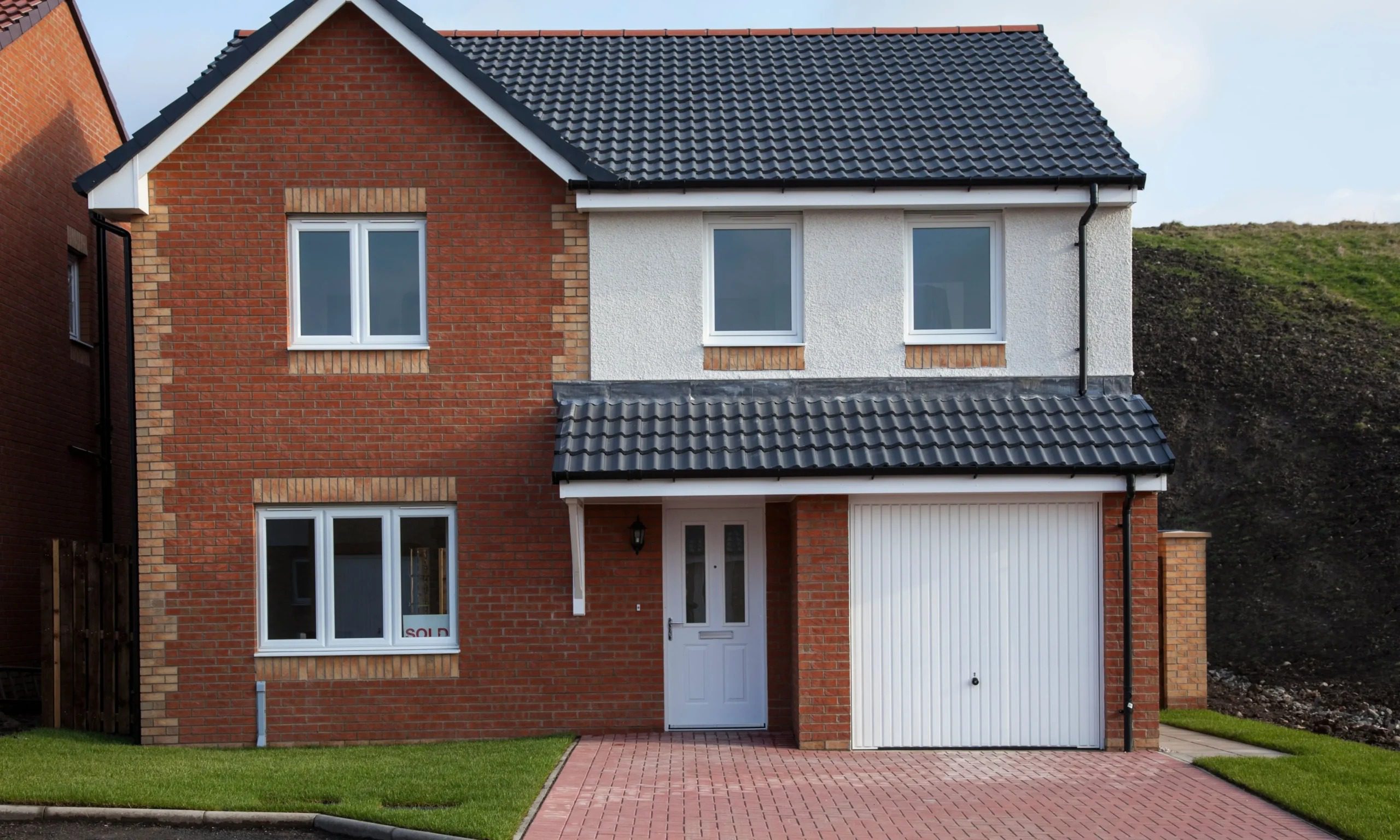
UK homeowners are becoming increasingly focused on home improvements that genuinely reduce energy bills rather than simply improve appearance. From insulation upgrades to smart heating systems and solar panels, the right investments can lower running costs, improve EPC ratings and increase long-term property value. Some upgrades even begin paying for themselves within just a few years.
Energy-Efficient Home Upgrades That Actually Pay for Themselves
With UK energy prices still significantly higher than they were just a few years ago, homeowners are becoming far more selective about where they spend their money. Cosmetic renovations may improve appearance, but many people are now prioritising upgrades that reduce monthly bills and improve long-term property value.
The good news is that some energy-efficient home upgrades genuinely pay for themselves over time. From insulation improvements to smart heating controls, the right investments can lower household running costs, improve EPC ratings and make homes more comfortable year-round.
External Wall Insulation
For many older UK homes, especially solid wall properties built before the 1930s, heat loss remains a major issue. According to industry estimates, uninsulated solid walls can account for up to 45% of a property’s heat loss.
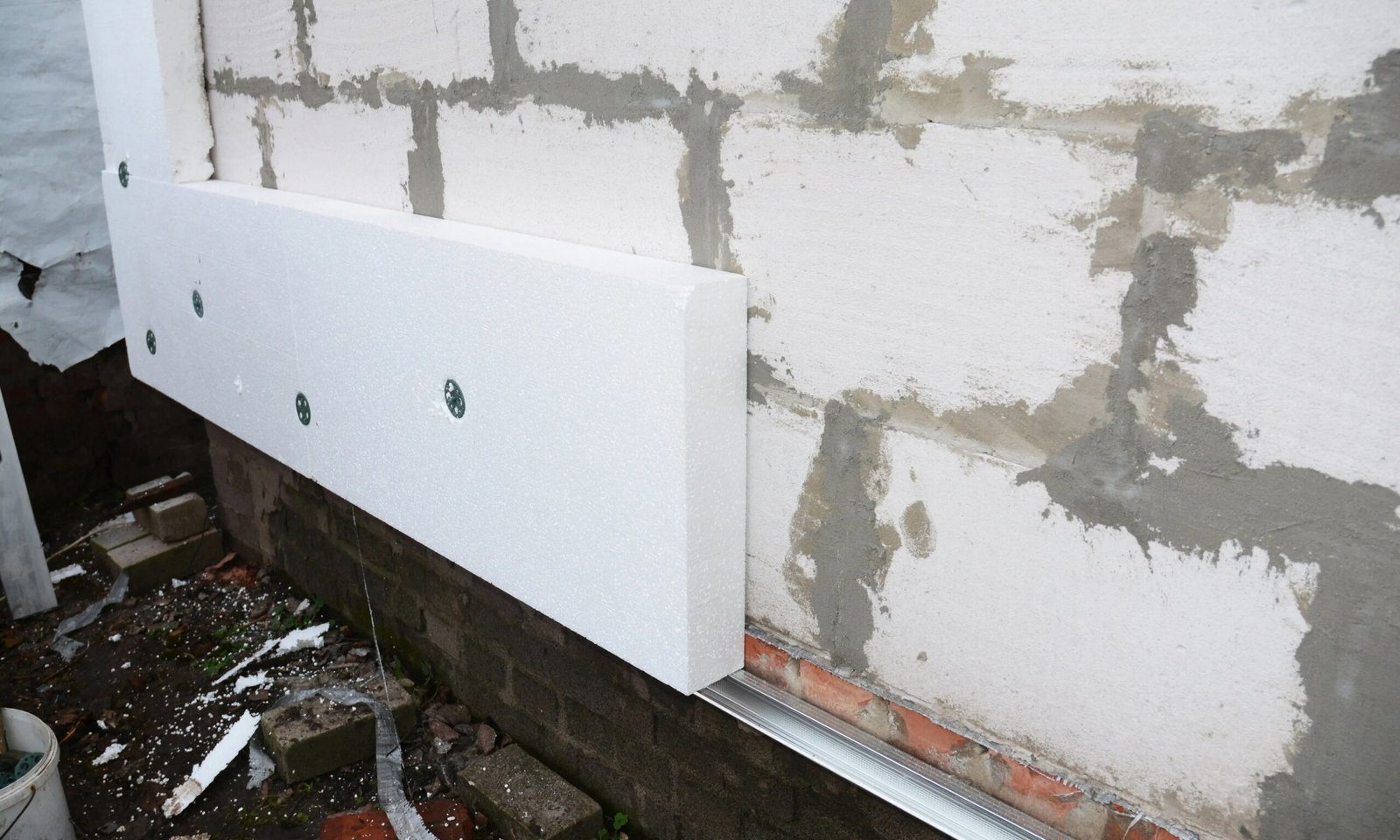
This is why external wall insulation continues to grow in popularity across the UK. By adding an insulated protective layer to the outside of the property, homeowners can significantly reduce heating demand while also improving the appearance of the façade.
Installation costs typically range between £8,000 and £15,000 depending on property size and specification, but annual energy bill savings can often reach £300-500. In many cases, homeowners also see improved EPC ratings and increased property value.
Importantly, a number of insulation grants UK schemes can dramatically reduce installation costs. Programmes such as the ECO4 scheme and the Great British Insulation Scheme may cover between 50% and 100% of eligible projects depending on household circumstances. Homeowners can check which insulation grants you qualify for before committing to the work.
Another way to reduce project costs is by sourcing materials directly from suppliers instead of relying entirely on third-party contractors. Companies such as Penguin Builders Merchant offer access to EWI systems, insulation boards, renders and installation accessories in one place, helping homeowners compare options more effectively.
Smart Heating Controls
Smart thermostats and heating controls remain one of the fastest-return investments available to UK homeowners. Systems such as Hive, Nest or Tado allow households to control heating remotely and reduce unnecessary energy usage.
Typical installation costs range between £150 and £300, while annual savings can often exceed £100 depending on the property and heating habits. In many homes, the investment pays for itself within two years.
Smart heating systems are particularly effective when combined with insulation improvements, since retaining heat for longer reduces boiler demand even further.
Draught-Proofing
Not every effective upgrade requires a major renovation budget. Simple draught-proofing around doors, windows, loft hatches and suspended floors can noticeably reduce heat loss.
Professional draught-proofing work generally costs between £200 and £400, with estimated yearly savings of £60-100 on heating bills. Older properties often benefit the most, especially homes with ageing timber windows or poorly sealed entry points.
While the savings may appear modest compared to larger projects, draught-proofing usually delivers one of the quickest returns on investment.
LED Lighting
LED lighting has become one of the easiest and cheapest ways to lower electricity usage. Replacing traditional halogen or incandescent bulbs with LED alternatives typically costs between £50 and £100 across an average household.
Because LEDs consume significantly less electricity and last far longer, many households save £40-60 per year while also reducing maintenance and replacement costs.
For landlords improving rental properties, switching to LED lighting can also support better EPC ratings at relatively low cost.
Solar Panels
Solar panels require a larger upfront investment but continue to attract interest as electricity prices remain volatile. Typical residential systems currently cost around £5,000-7,000 depending on roof size and battery storage options.
Most homeowners achieve full payback within 8-12 years through reduced electricity bills and Smart Export Guarantee payments. Properties with strong roof orientation and high daytime electricity usage usually see the best returns.
Although solar remains one of the more expensive energy-efficient home upgrades, it can provide long-term protection against future energy price increases.
Which Improvements Should Come First?
Energy experts generally recommend improving insulation before investing heavily in renewable technologies. There is little benefit in generating cheaper energy if the property continues to lose heat inefficiently.
For most UK homeowners, the recommended order is:
- Insulation improvements
- Draught-proofing
- Smart heating controls
- Renewable technologies such as solar
This approach usually delivers the best balance between upfront investment and long-term energy bill savings.
Final Thoughts
Energy efficiency is no longer simply an environmental consideration. For many UK homeowners, it has become a practical financial decision that directly affects monthly living costs and long-term property value.
The most effective upgrades are those that combine realistic installation costs with measurable savings over time. Whether through insulation, heating controls or renewable energy, carefully planned home improvements can continue delivering financial benefits for many years after installation.