

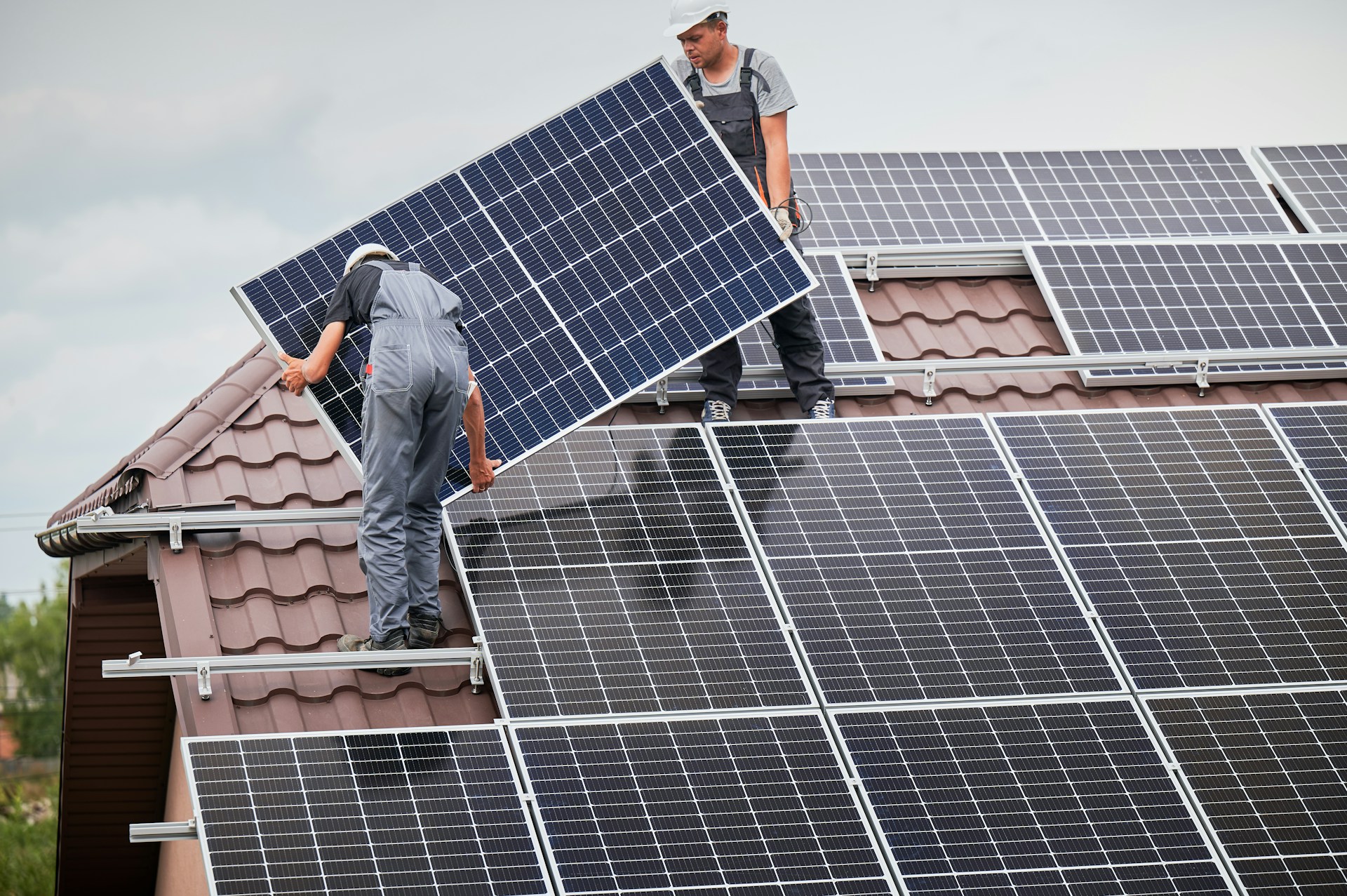
Solar panels are designed to operate for decades, but installation day is only the beginning of the ownership journey. Long term performance often depends on the quality of support available after the system is switched on.
Many homeowners focus heavily on installation costs and projected savings. Ongoing support, maintenance guidance, and response times can be just as important when evaluating a solar provider.
Why Ongoing Support Matters After Solar Panel Installation
Choosing the right installer involves more than comparing quotes. Companies such as Renew-Able Solutions solar panel installation understand that customer support often continues long after the installation team leaves the property.
A solar system is a long-term investment, and the quality of ongoing assistance can influence performance, reliability, and overall customer satisfaction.
What Ongoing Support Typically Includes
Most homeowners assume support ends once the installation is complete. In reality, many solar providers continue assisting customers with monitoring, maintenance guidance, and performance questions.
Good support includes ongoing technical assistance that helps homeowners understand their system and respond appropriately when concerns arise.
Why Solar Systems Need Periodic Attention
Solar panels require relatively little maintenance compared to many household systems. Even so, occasional inspections and performance reviews can help identify issues before they become larger problems.
Factors such as weather exposure, inverter performance, and electrical connections benefit from periodic system reviews over the life of the installation.
The Difference Between Installation and Ownership
Installation may take only a few days, but ownership often lasts twenty years or more. During that time, questions about performance and equipment naturally arise.
The companies that provide long term customer support often create a smoother ownership experience than those focused only on installation.
Common Issues Homeowners Encounter
Most solar systems operate reliably, but occasional concerns can still occur. Monitoring alerts, inverter warnings, or unexpected production changes may require professional guidance.
Access to responsive support helps homeowners address performance related concerns without unnecessary delays or confusion.
How Fast Response Times Affect System Performance
When questions or technical issues arise, response time matters. Delays can create frustration and may leave homeowners uncertain about system performance.
Quick communication provides greater peace of mind while helping customers make informed decisions when support is needed.
Why Warranty Support Matters
Equipment warranties provide important protection, but understanding the claims process is equally important. Many homeowners only learn about warranty procedures when a problem occurs.
Installers that offer clear warranty assistance often reduce confusion and help customers navigate manufacturer requirements more efficiently.
The Role of System Monitoring
Many modern solar systems include monitoring tools that track energy production and overall performance. These systems can help identify unusual patterns early.
Effective monitoring supports proactive system management by allowing issues to be investigated before they significantly affect energy generation.
Where Local Installers Often Have an Advantage
Local providers frequently operate within the same communities as their customers. This proximity can create practical advantages when support or maintenance services are required.
Faster Site Visits When Problems Arise
Travel distance plays an important role when a technician needs to visit a property. Local companies often have shorter travel times than providers operating across wider regions.
This can result in quicker on site support when inspections, troubleshooting, or maintenance services become necessary.
Better Knowledge of Local Properties
Every region presents unique building styles, roofing materials, and environmental conditions. Local installers like renew-able.co.uk often gain experience working with similar properties throughout their service area.
That familiarity supports more informed recommendations when homeowners need guidance about performance or maintenance.
Easier Access to Installation Records
Accurate records help support teams understand system specifications, equipment choices, and installation details. Quick access to this information can simplify future service requests.
Maintaining detailed project documentation allows installers to respond more efficiently when questions arise after installation.
Direct Communication With the Original Team
Homeowners often appreciate speaking with people who understand their project history. Direct communication can reduce misunderstandings and improve support experiences.
Working with the original installation team often creates greater continuity throughout the ownership period.
Greater Accountability Within the Community
Local businesses frequently depend on reputation within their service areas. Customer satisfaction often influences referrals and future business opportunities.
This creates an incentive to maintain strong customer relationships long after the installation is complete.
More Personalized Maintenance Recommendations
Every property has different energy needs, usage patterns, and environmental conditions. Local installers may be better positioned to offer practical recommendations.
Personalized guidance supports more effective system care than generic advice applied across a broad customer base.
Ongoing System Performance Reviews
Performance reviews help homeowners understand whether their system is operating as expected. These discussions can identify opportunities to improve efficiency or usage habits.
Regular check-ins provide valuable performance insights that help maximize the benefits of solar ownership.
Situations Where National Installers May Still Be Suitable
Local support offers several advantages, but that does not automatically mean national providers are the wrong choice. Some homeowners may find that larger organizations align better with their requirements.
The right decision depends on factors such as property location, project scope, financing needs, and preferred support structure, as different providers may offer strengths that suit different situations.
Large Multi Region Coverage
National companies often operate across broad geographic areas. This can be beneficial for homeowners with properties in multiple locations or those planning future relocations.
Their wider reach provides broader service availability across regions where smaller installers may not currently operate, giving homeowners access to support in a larger number of locations.
Standardized Processes
Larger organizations frequently rely on established procedures for installation, inspections, documentation, and customer support. These systems help maintain consistency across projects.
For some customers, structured service processes create confidence that work will follow a predictable and documented approach, regardless of project size or location.
Larger Support Networks
National installers may have access to larger teams covering technical support, administration, maintenance, and warranty management. This can provide additional resources when required.
A wider workforce may support greater operational capacity during periods of high customer demand while helping manage service requests, scheduling, and customer enquiries more efficiently.
National Financing Programs
Some larger providers partner with lenders and financing organizations to offer multiple payment options. These programs can help spread installation costs over time.
Access to expanded financing solutions may appeal to homeowners evaluating different purchasing approaches and looking for greater flexibility when budgeting for solar projects.
Manufacturer Partnerships
National companies often work directly with major manufacturers and equipment suppliers. These relationships may provide additional resources for technical support and warranty handling.
Strong supplier connections can support streamlined warranty coordination when equipment issues occur, helping homeowners navigate claims and replacement processes more efficiently.
Extended Service Areas
Certain rural or remote areas may have fewer local installation companies available. National providers sometimes maintain coverage in locations where local options are limited.
This broader reach can offer additional installer availability for homeowners with fewer nearby choices, making solar installation and support services more accessible.
Signs an Installer Is Committed to Long Term Customer Support
Not all solar companies approach customer service the same way. Looking for specific support indicators can help homeowners identify installers that remain engaged long after the installation is complete.
Strong support often becomes just as valuable as the installation itself, particularly when questions, upgrades, or performance concerns arise in the future.
- Clear communication channels for ongoing support
- Fast response times for service requests
- Assistance with warranty claims and documentation
- Access to system monitoring and performance data
- Availability of maintenance guidance when needed
- Support for future battery or system upgrades
- Local technicians familiar with the original installation
- Transparent service processes and expectations
- Positive long term customer reviews and referrals
- Experience delivering professional solar PV installation services
Conclusion
Solar panel installation is only one stage of a much longer ownership journey. While local installers are not automatically the best choice in every situation, they often provide practical advantages through faster communication, stronger community accountability, and more personalized support. Homeowners should evaluate ongoing service commitments alongside price and equipment specifications. In many cases, the quality of support after installation can be just as important as the installation itself.