
Modern living depends heavily on reliable indoor climate control systems, especially during periods of extreme heat when maintaining comfortable temperatures becomes necessary for both health and productivity. Homes, offices, commercial facilities, healthcare centers, and industrial buildings all rely on cooling systems to create safe and comfortable indoor environments. When these systems function properly, they improve air circulation, reduce humidity, and provide relief from high outdoor temperatures. However, like all mechanical equipment, cooling systems can experience wear and tear over time, leading to reduced performance, higher energy consumption, and unexpected breakdowns.
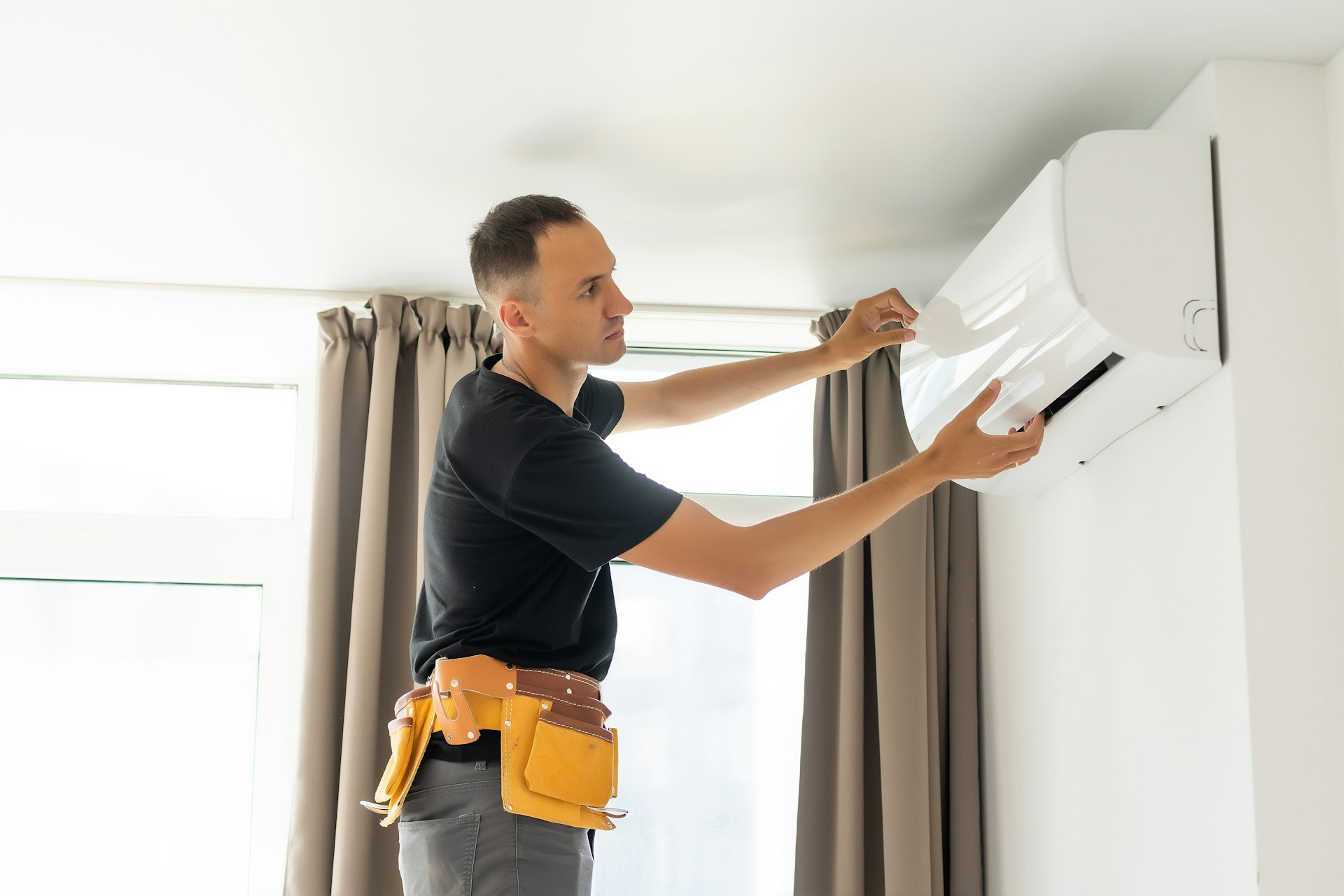
One of the most important services that helps maintain indoor comfort and system reliability is air conditioning repair, a process focused on diagnosing and resolving problems within cooling systems before they become more serious and costly. Whether dealing with weak airflow, unusual noises, refrigerant leaks, inconsistent cooling, or complete system failure, timely repairs play a critical role in restoring performance and preventing additional damage. Ignoring early warning signs often leads to larger mechanical issues that may require expensive replacements or prolonged downtime.
As cooling systems become more advanced, professional maintenance and repair services have become increasingly important. Modern air conditioning units include complex electrical components, smart thermostats, sensors, compressors, and energy-efficient technologies that require specialized knowledge to service correctly. Property owners who invest in routine maintenance and timely repairs are more likely to enjoy longer equipment lifespan, lower utility costs, and improved indoor comfort throughout the year.
Understanding How Cooling Systems Operate
To appreciate the importance of proper repair services, it is helpful to understand the basic function of modern cooling systems. Air conditioners work by removing heat from indoor air and transferring it outside through a refrigeration cycle. This process involves several major components, including the compressor, evaporator coil, condenser coil, refrigerant lines, and blower system. Each component must function correctly for the system to maintain efficient cooling performance.
When indoor air passes over the evaporator coil, heat is absorbed by refrigerant circulating inside the system. The refrigerant then travels to the compressor and condenser unit, where the heat is released outdoors. The cooled air is redistributed throughout the building using fans and ductwork. This continuous cycle maintains stable indoor temperatures and helps control humidity levels.
Over time, mechanical components can become worn or damaged due to regular usage, environmental conditions, or lack of maintenance. Dirty coils, clogged filters, refrigerant leaks, electrical malfunctions, and failing motors can all reduce efficiency and disrupt normal operation. Even small issues can gradually affect system performance if left unresolved. This is why early detection and professional servicing are essential for maintaining reliable cooling performance.
Cooling systems also operate under significant pressure during peak summer seasons when temperatures rise and usage increases. Systems that have not been properly maintained often struggle to handle this demand, leading to overheating, reduced airflow, or sudden breakdowns. Preventive maintenance and timely repairs help ensure that systems remain prepared for periods of heavy use.
Common Problems That Affect Cooling Performance
Air conditioning systems can experience a wide variety of issues, some of which develop gradually while others appear suddenly. One of the most common problems is restricted airflow caused by dirty air filters or blocked ductwork. When airflow becomes limited, the system must work harder to cool indoor spaces, resulting in higher energy consumption and uneven temperature distribution.
Refrigerant leaks are another major concern because they directly affect the system’s ability to remove heat from indoor air. Low refrigerant levels often lead to insufficient cooling, ice formation on coils, and increased strain on the compressor. If ignored, refrigerant leaks can eventually cause severe compressor damage, which is one of the most expensive components to replace.
Electrical problems are also common in aging systems. Faulty wiring, damaged capacitors, malfunctioning thermostats, and worn contactors can all interfere with normal operation. These issues may cause systems to cycle improperly, fail to start, or shut down unexpectedly. Because electrical repairs require technical expertise and safety precautions, professional service is essential when addressing these types of problems.
Drainage issues can also affect system performance and indoor comfort. Air conditioners remove moisture from indoor air as part of the cooling process, and this moisture must drain properly through condensate lines. Clogged or damaged drainage systems can lead to water leaks, mold growth, and humidity problems inside buildings.
Unusual noises are often early warning signs of mechanical trouble. Grinding, rattling, buzzing, or squealing sounds may indicate loose components, motor problems, or failing bearings. Addressing these issues promptly helps prevent further damage and reduces the likelihood of complete system failure.
The Importance of Timely Professional Service
Delaying necessary repairs can significantly increase long-term maintenance costs and reduce system lifespan. Minor problems that could have been resolved quickly often become more serious when ignored. For example, a small refrigerant leak may eventually damage the compressor, while a dirty filter can overwork the blower motor and reduce airflow throughout the system.
This is why professional air conditioning repair services are essential for preserving both comfort and efficiency. Trained technicians have the expertise and tools required to identify underlying problems accurately and restore systems to proper operating condition. Professional diagnostics allow issues to be addressed at their source rather than temporarily masking symptoms.
Timely service also helps maintain energy efficiency. Systems struggling with mechanical or airflow issues consume more electricity because they must operate longer to achieve the desired temperature. This results in higher utility bills and increased wear on components. Proper repairs restore system efficiency, reducing energy usage and improving overall performance.
Another important benefit of professional servicing is improved indoor comfort. Cooling systems with unresolved issues often create uneven temperatures, excessive humidity, or inconsistent airflow throughout the building. Once repairs are completed, indoor conditions typically become more stable and comfortable.
Safety is another reason why professional service matters. Electrical malfunctions, refrigerant handling, and mechanical repairs involve risks that require proper training and equipment. Attempting complex repairs without technical knowledge can create safety hazards and potentially damage the system further. Qualified technicians follow industry standards and safety procedures to ensure repairs are completed correctly.
Energy Efficiency and Cost Savings
Energy efficiency has become a major concern for homeowners and businesses alike as utility costs continue rising. Cooling systems account for a significant portion of energy usage in many buildings, especially during warm seasons. Systems that operate inefficiently not only increase monthly expenses but also place unnecessary strain on electrical infrastructure and environmental resources.
Proper maintenance and repair help improve efficiency by ensuring that all components operate as intended. Clean coils, unrestricted airflow, accurate refrigerant levels, and properly functioning motors all contribute to lower energy consumption. Even relatively small improvements in system efficiency can result in noticeable savings over time.
Modern cooling systems are designed with advanced energy-saving technologies, but these features can only perform effectively when systems are properly maintained. Dirty or damaged components reduce the effectiveness of energy-efficient designs and force systems to consume additional power to compensate for reduced performance.
Routine inspections also help identify aging components before they fail completely. Replacing worn parts early is often more affordable than waiting for major breakdowns that require extensive repairs or full system replacement. Preventive maintenance and timely servicing therefore support both short-term savings and long-term financial protection.
Businesses particularly benefit from efficient climate control because stable indoor conditions contribute to employee productivity and customer satisfaction. Unexpected system failures in commercial environments can disrupt operations, reduce customer comfort, and create costly downtime. Reliable maintenance strategies help minimize these risks while supporting consistent operational performance.
The Role of Indoor Air Quality in Cooling Systems
Cooling systems do more than regulate temperature; they also influence indoor air quality and humidity control. Air conditioners circulate indoor air continuously, which means contaminants such as dust, allergens, and pollutants can spread throughout a building if the system is not properly maintained.
Dirty filters and neglected duct systems can reduce air quality by allowing particles to accumulate and recirculate indoors. This may contribute to allergy symptoms, respiratory irritation, and general discomfort among occupants. Regular maintenance helps ensure that filters, coils, and ventilation pathways remain clean and effective.
Humidity control is another important aspect of indoor comfort. Excess humidity can make indoor spaces feel warmer than they actually are while encouraging mold growth and moisture-related damage. Properly functioning cooling systems remove excess moisture from indoor air, helping maintain balanced humidity levels that support healthier living conditions.
Professional technicians often inspect air quality-related components during repair visits to ensure that systems continue supporting both comfort and health. This holistic approach improves overall indoor environmental quality while maintaining efficient cooling performance.
Technological Advancements in Modern Cooling Systems
The HVAC industry has undergone significant technological transformation in recent years, introducing smarter and more efficient cooling solutions. Modern systems now include programmable thermostats, inverter-driven compressors, zoning capabilities, and advanced monitoring technology that improves both comfort and energy management.
Smart thermostats allow users to control temperatures remotely and automate cooling schedules based on occupancy patterns. Some systems can even learn user preferences and adjust settings automatically to optimize efficiency. These technologies help reduce unnecessary energy usage while maintaining consistent comfort levels.
Variable-speed compressors represent another major advancement. Unlike traditional systems that operate at full power or shut off completely, variable-speed systems adjust output according to cooling demand. This improves efficiency, reduces energy waste, and provides more stable indoor temperatures.
Advanced diagnostic systems are also becoming more common in modern equipment. These technologies can detect performance issues early and provide alerts when maintenance or repairs are needed. Predictive maintenance features help prevent unexpected breakdowns and improve long-term system reliability.
As cooling technology continues evolving, professional technicians must stay updated on new equipment and repair methods. Specialized training ensures that modern systems receive proper service and continue operating at peak efficiency.
Preventive Maintenance and Long-Term Reliability
Preventive maintenance is one of the most effective ways to reduce repair costs and extend equipment lifespan. Regular inspections allow technicians to identify developing problems before they lead to serious damage or complete system failure. Maintenance typically includes cleaning coils, replacing filters, checking refrigerant levels, inspecting electrical connections, and testing overall system performance.
Systems that receive regular maintenance tend to operate more efficiently and experience fewer unexpected breakdowns. This proactive approach reduces stress on mechanical components and helps maintain consistent indoor comfort throughout the year.
Property owners who invest in preventive care often avoid the inconvenience and expense associated with emergency repairs during peak cooling seasons. Reliable systems also provide greater peace of mind, especially during periods of extreme weather when indoor climate control becomes essential for health and safety.Long-term reliability also contributes to sustainability by reducing the need for premature equipment replacement. Extending the lifespan of existing systems conserves resources and minimizes environmental impact associated with manufacturing and disposal.
Conclusion
Reliable cooling systems are essential for maintaining comfortable, healthy, and productive indoor environments in both residential and commercial settings. As modern buildings become increasingly dependent on climate control technology, proper maintenance and timely repairs play a critical role in ensuring consistent performance and energy efficiency.
Professional air conditioning repair services help address mechanical issues before they escalate into major problems, protecting both system lifespan and indoor comfort. From improving airflow and restoring cooling efficiency to enhancing air quality and reducing energy consumption, timely repairs provide significant long-term benefits for property owners and occupants alike.
By investing in regular maintenance, professional servicing, and modern energy-efficient technologies, homeowners and businesses can enjoy reliable climate control while minimizing operational costs and environmental impact. As technology continues advancing, the importance of skilled maintenance and repair services will remain essential for supporting efficient and sustainable indoor comfort solutions.