

In modern industrial, construction, and maintenance environments, working at height is a routine requirement rather than an exception. Tasks such as building maintenance, electrical installation, signage repair, warehouse operations, and exterior construction all require safe and stable access to elevated areas. Traditional access methods like ladders or scaffolding are no longer sufficient for many projects due to their limitations in mobility, safety, and efficiency. This is where advanced aerial work platforms become essential for improving productivity and reducing workplace risks.
Among the most widely used solutions in this category is boom lift rental, which allows businesses to access high-quality lifting equipment without the financial burden of ownership. Instead of investing heavily in machinery that may only be needed for specific projects or short durations, companies can rent equipment tailored to their exact requirements. This approach not only reduces costs but also ensures access to modern, well-maintained machinery designed to handle demanding tasks at various heights.
Understanding the Role of Boom Lifts in Modern Industry
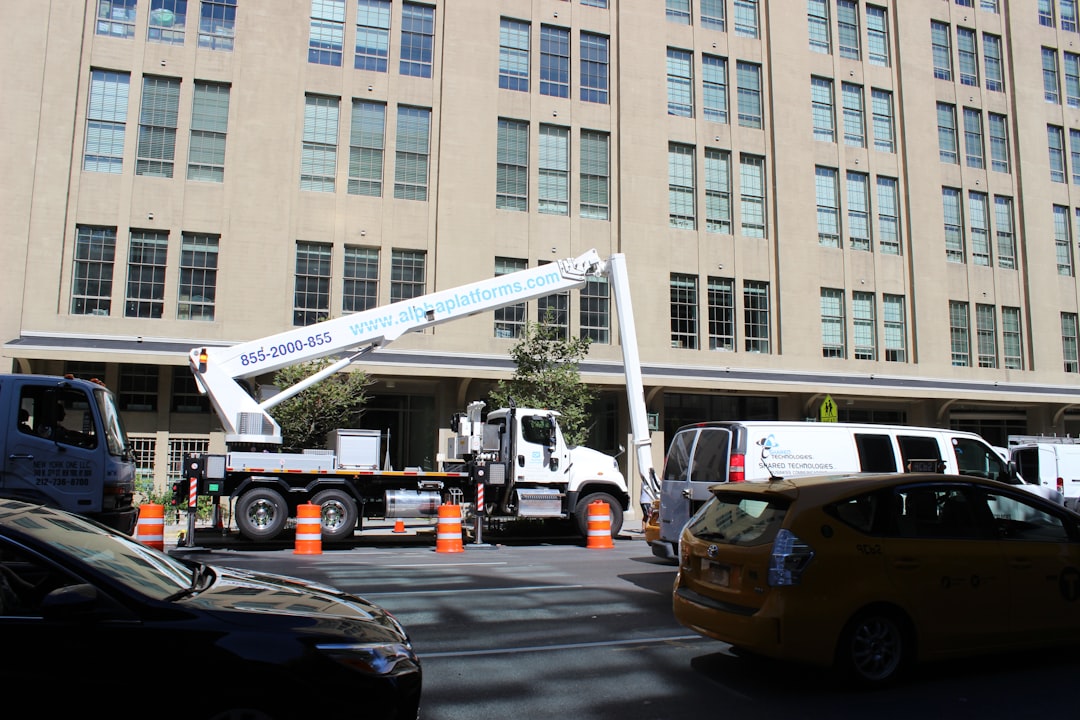
Boom lifts are specialized aerial platforms designed to lift workers, tools, and materials to elevated work areas safely and efficiently. Unlike stationary lifting systems, boom lifts offer mobility and flexibility, allowing operators to reach difficult or obstructed areas with ease. These machines are commonly used in construction sites, warehouses, industrial facilities, and outdoor maintenance projects where precision and height access are required.
There are two main types of boom lifts used across industries: articulating boom lifts and telescopic boom lifts. Articulating models feature jointed arms that allow movement around obstacles, making them ideal for confined or complex workspaces. Telescopic models, on the other hand, extend in a straight line and are better suited for tasks requiring maximum horizontal and vertical reach. According to industry usage insights, both electric and diesel-powered versions are widely available depending on whether the job is indoors or outdoors.
The versatility of boom lifts makes them essential for tasks such as electrical maintenance, painting, steel structure installation, HVAC servicing, tree trimming, and facility management. Their ability to provide stable elevation and precise positioning significantly improves operational efficiency and reduces manual labor risks.
Why Businesses Prefer Rental Over Ownership
Purchasing heavy-duty lifting equipment requires a significant financial investment, which includes not only the initial purchase cost but also long-term expenses such as maintenance, storage, insurance, and repairs. For many businesses, especially those handling short-term or project-based work, owning such machinery is not economically practical.
This is why many organizations prefer boom lift rental services instead of buying equipment outright. Renting allows businesses to access modern machinery only when needed, eliminating unnecessary capital expenditure. It also provides financial flexibility, enabling companies to allocate resources toward other operational priorities such as workforce expansion, materials, and project development.
Another key advantage of renting is predictable cost planning. Rental agreements typically come with fixed pricing structures based on duration and equipment type, which makes budgeting easier and more accurate. Businesses avoid unexpected repair costs or depreciation losses, as maintenance responsibilities are usually handled by the rental provider.
Industry reports consistently highlight that renting aerial equipment is a cost-effective solution that helps businesses reduce ownership risks while maintaining access to high-quality machines. This financial efficiency is one of the main reasons why boom lift rental services continue to grow in popularity across multiple sectors.
Flexibility and Equipment Variety for Different Projects
One of the biggest challenges in industrial operations is the variation in project requirements. No two jobs are exactly the same, and each task may require different lifting heights, weight capacities, or terrain adaptability. Purchasing multiple machines to meet all possible needs is expensive and inefficient.
Rental services solve this problem by offering a wide range of equipment options. Businesses can choose the exact type of boom lift based on project requirements, whether it involves indoor maintenance, outdoor construction, or rough terrain operations. Electric models are commonly used for indoor environments due to their low noise and zero emissions, while diesel-powered lifts are preferred for outdoor work because of their strength and durability. Modern rental fleets often include machines with varying platform heights, outreach capabilities, and load capacities. Some equipment can reach heights exceeding 100 feet, making them suitable for large-scale construction and infrastructure projects. This flexibility ensures that businesses always have access to the right equipment for the job without long-term commitment.
Improved Safety Standards and Operator Protection
Safety is one of the most critical aspects of any elevated work environment. Working at height carries inherent risks, and using outdated or unsuitable equipment can significantly increase the likelihood of accidents. Boom lifts are specifically designed to provide stable platforms that reduce the risks associated with manual climbing or unstable scaffolding systems.
Modern boom lifts come equipped with advanced safety features such as emergency lowering systems, tilt sensors, overload protection, and secure guardrails. These features ensure that operators remain safe even in challenging working conditions. Additionally, stable hydraulic systems allow smooth movement, reducing sudden jerks or instability during operation. Rental companies typically maintain strict maintenance schedules to ensure all equipment meets safety standards before being deployed. Regular inspections and servicing reduce the chances of mechanical failure, giving businesses confidence in equipment reliability during critical operations.
Enhancing Productivity and Operational Efficiency
Efficiency is a key factor in industrial success. Projects that involve working at height often require precision, speed, and coordination. Boom lifts significantly enhance productivity by allowing workers to access elevated areas quickly and safely without the need for time-consuming setup processes.
Unlike scaffolding, which requires assembly and dismantling, boom lifts can be positioned and operated within minutes. This saves valuable time on job sites and allows teams to focus on completing tasks rather than preparing access structures. The mobility of boom lifts also means that workers can easily move between different work areas without interrupting workflow. In large-scale operations such as warehouse management or construction projects, this efficiency translates into faster project completion and reduced labor costs. Businesses that rely on boom lift rental services often experience improved scheduling flexibility and better resource utilization across multiple projects.
Maintenance-Free Operation and Reduced Downtime
One of the major advantages of renting equipment is the elimination of maintenance responsibilities. Machinery ownership comes with ongoing maintenance requirements, including inspections, repairs, and part replacements. These tasks can be time-consuming and expensive, especially when unexpected breakdowns occur.
With rental services, maintenance is handled by the provider. This ensures that all equipment is properly serviced, inspected, and ready for immediate use before delivery. If any issues arise during operation, rental companies typically offer support or replacement equipment to minimize downtime. Downtime in industrial operations can lead to significant financial losses and project delays. By using rental equipment, businesses can avoid unexpected disruptions and maintain consistent workflow efficiency. This is particularly important in industries where deadlines are strict and operational continuity is essential.
Supporting Short-Term and Long-Term Project Needs
Different projects require different equipment durations. Some tasks may only require a boom lift for a few days, while others may need it for several months. Rental services provide flexible duration options, allowing businesses to choose daily, weekly, or monthly rental plans depending on project requirements.
This flexibility is especially beneficial for companies managing seasonal workloads or temporary contracts. Instead of purchasing equipment that may remain unused for long periods, businesses can rent machinery only when it is needed. This approach helps optimize resource allocation and reduces unnecessary capital investment. Industry observations show that boom lifts are commonly rented for construction, maintenance, painting, and installation projects where temporary elevated access is required. This demonstrates the widespread reliance on rental services for both short-term and long-term operational needs.
Environmental and Technological Advantages
Modern boom lifts are designed with improved fuel efficiency and reduced environmental impact. Electric models produce zero emissions, making them suitable for indoor use and environmentally sensitive areas. Diesel models are engineered for higher power output while minimizing fuel consumption compared to older machinery.
Technological advancements have also improved machine performance and operator experience. Features such as digital control panels, enhanced hydraulic systems, and improved maneuverability contribute to smoother operation and better precision. These improvements allow workers to complete tasks more efficiently while reducing physical strain.
By using rental equipment, businesses gain access to the latest technology without needing to invest in frequent upgrades. This ensures that operations remain modern, efficient, and environmentally responsible.
Conclusion
Boom lifts have become an essential part of modern industrial and construction operations due to their ability to provide safe, efficient, and flexible access to elevated work areas. Instead of investing heavily in ownership, many businesses now rely on rental solutions to meet their operational needs without long-term financial commitment.
The growing demand for boom lift rental services reflects a shift toward smarter resource management, where flexibility, safety, and cost efficiency are prioritized. Renting equipment allows companies to access modern machinery, reduce maintenance responsibilities, improve productivity, and maintain strict safety standards across all types of projects.
As industries continue to evolve, the importance of reliable and adaptable lifting solutions will only increase. Businesses that embrace rental-based equipment strategies are better positioned to handle changing project demands, improve operational efficiency, and achieve long-term success in competitive markets.