


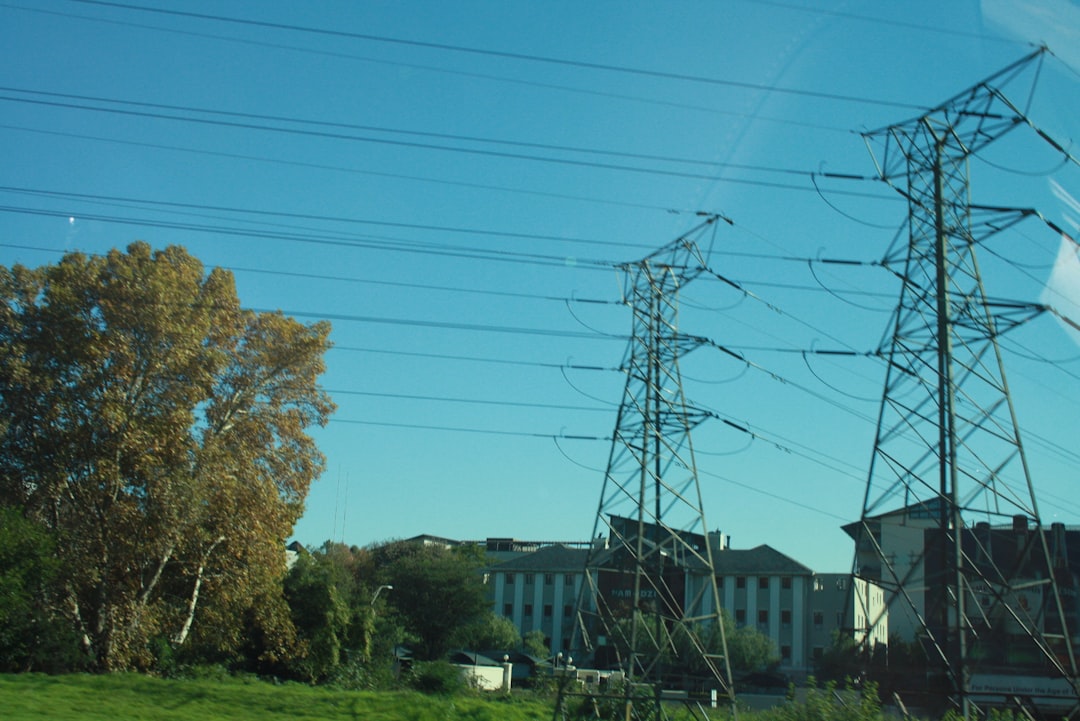
Urban power networks demand high reliability, compact installations, and equipment capable of operating safely in densely populated spaces. Rapid infrastructure growth, increased commercial loads, and the rise of sensitive electrical instruments all require transformers that offer stable power delivery under evolving conditions.
The use of a cast resin transformer for urban power distribution has become a preferred choice for planners aiming to improve efficiency and long-term durability in urban settings. These transformers incorporate advanced insulation processes, sturdy construction, and proven thermal performance, supporting stable operation in demanding environments.
Let’s understand how a cast resin transformer works and the key advantages that make this technology suitable for modern urban power distribution networks.
Key Advantages of Cast Resin Transformers in Urban Settings
Urban distribution networks require technology that can deliver dependable performance, withstand demanding environments, and support modern electrical equipment. The following advantages explain why cast resin designs have become a preferred choice for safe and efficient power delivery in cities.
Enhanced Fire Safety and Thermal Performance
Cast resin technology employs epoxy-based insulation that eliminates the need for liquid cooling mediums. This design reduces fire risk and prevents leakage incidents that could harm surrounding areas. A cast resin transformer supports superior heat dissipation and allows equipment to operate at higher temperature classes without compromising structural integrity.
These characteristics make them suitable for enclosed spaces, underground installations, and buildings with strict safety requirements.
Environmentally Sturdy and Low Maintenance
Urban sites often require electrical devices that can operate reliably amid dust, humidity, and temperature fluctuations. Cast resin units incorporate solid insulation that shields internal windings from moisture and contaminants.
Unlike oil-filled models, they do not require periodic refilling, sampling, or leak monitoring. The long-term durability of a cast resin transformer significantly reduces maintenance expenses and minimizes downtime across commercial and municipal installations.
Compact Design Suitable for Space-constrained Locations
Space is a major challenge in dense cities, especially inside high-rise basements, metro stations, hospitals, and data centers. Cast resin units are typically smaller in size and easier to deploy within limited footprints.
Their simplified ventilation requirements and absence of oil containment structures free up valuable square footage. Integrating a cast resin transformer enables urban planners to incorporate efficient power distribution even when installation zones are highly restricted.
Superior Mechanical Strength and Vibration Resistance
Power equipment in metropolitan areas is often exposed to vibration caused by nearby traffic, rail systems, or heavy machinery. Cast resin windings are encapsulated in solid insulation, providing excellent mechanical stability and rigidity.
This construction minimizes the risk of insulation displacement or coil deformation during operation. For networks experiencing frequent load changes or external disturbances, choosing a cast resin transformer ensures better reliability and extended service life.
Reduced Noise Levels for Urban Comfort
Noise pollution is a growing concern across modern cities. Cast resin designs generally produce lower operating noise compared to conventional oil-filled models. Their rigid windings, optimized magnetic structure, and dampened vibration characteristics contribute to quieter performance.
Deploying a cast resin transformer inside residential complexes, hospitals, or educational facilities helps maintain a more comfortable and compliant acoustic environment.
High Efficiency and Consistent Performance
Efficient energy transfer is essential for minimizing losses and improving overall grid performance. Cast-resin constructions employ high-quality magnetic cores, precision-wound conductors, and uniform insulation layers to enhance energy flow.
The stable thermal characteristics of a cast resin transformer support consistent output under fluctuating load conditions. This results in better operational efficiency and reduced stress on downstream electrical equipment.
Flexibility for Modern Infrastructure Development
Urban expansion requires power systems that can adapt to new loads, upgraded devices, and emerging technologies. Cast resin units offer flexibility in installation, cooling configurations, and load handling. Their sturdy insulation allows greater design freedom when integrating with electrical instruments and distribution panels.
Their sturdy insulation allows greater design freedom when integrating with electrical instruments and distribution panels, even in environments affected by harmonic distortion. Employing a cast resin transformer ensures smoother expansion and modernization of city grids without major redesign work.
Building Reliable and Future-ready Urban Power Systems
Cast resin transformers have become an essential component of urban power distribution systems due to their safety, durability, compact design, and dependable performance in challenging environments. Their ability to withstand heat, moisture, vibration, and space limitations makes them highly suitable for rapidly growing metropolitan regions.
By incorporating strong insulation, efficient thermal behavior, and flexible installation features, these transformers provide long-term value for utilities, commercial complexes, and public infrastructure. As cities continue to evolve, choosing the right power equipment becomes increasingly important.
Partnering with a reputed electrical brand ensures proper selection, professional installation, and adherence to safety standards, helping planners deploy transformers that support reliable and future-ready distribution networks.
Sources:
https://www.sciencedirect.com/science/article/abs/pii/S0266353825003884