


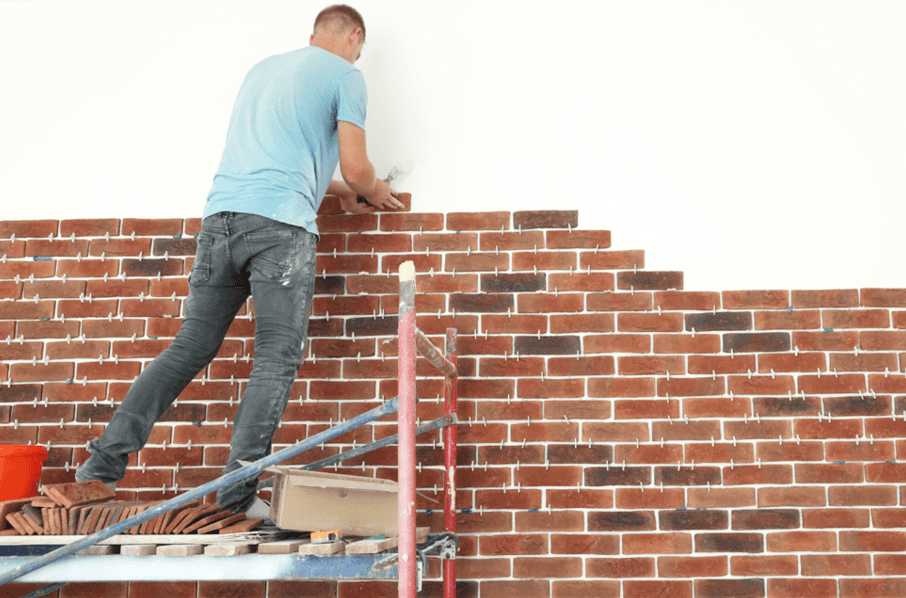
Brick wall panels can add texture, warmth and character to a room without the work involved in building a traditional masonry wall. Available in genuine brick and brick-effect materials, they suit a range of interior styles, from rustic feature walls to contemporary commercial spaces.
Professional contractors such as DMG Masonry handle traditional brickwork. For projects focused on a decorative finish, brick wall panels can offer a simpler alternative, depending on the material, installation requirements and condition of the existing wall.
This guide explains the main panel types, where to use them and what to consider before buying.
What Are Brick Wall Panels?
Brick wall panels are wall coverings designed to create the appearance of exposed brick. Some use genuine thin brick pieces attached to a backing system, while others reproduce brick textures using manufactured materials.
Most decorative panels provide a surface finish rather than structural support. Their weight, durability and suitability for indoor or outdoor use vary between products, so choosing the correct system matters as much as choosing the colour.
Types of Brick Wall Panels
Thin Brick and Real Brick Veneer Panels
Thin brick panels use slimmer sections of genuine brick to create an authentic masonry appearance. Some systems arrive with the brick pieces already attached, while others require individual brick slips to be fitted on site.
Thin brick and brick veneer are overlapping terms, so check what the supplier actually provides. Genuine brick finishes offer natural texture and colour variation, but installation may involve adhesive, mechanical fixings and mortar joints.
Faux Brick Panels
Faux brick panels recreate the look of brick using materials such as polyurethane, PVC or fibre-based boards. Many are relatively lightweight, making them a practical option for decorative feature walls.
Their appearance and performance differ considerably. Examine a sample to assess the texture, visible joints and finish. Only use a product outdoors or in a moisture-prone area if the manufacturer confirms it is suitable.
Concrete Brick-Effect Panels
Concrete brick-effect panels provide a textured finish that resembles masonry. They can suit projects where a more substantial surface is preferred.
These panels can be heavier than lightweight alternatives. Check the wall’s suitability, fixing requirements and product specification before installation. Exterior use should be confirmed for the particular system.
Why Choose Brick Wall Panels Over Traditional Brickwork?
For a decorative wall upgrade, panels may reduce installation time and avoid some of the work associated with full-depth masonry. They can also make it easier to introduce a brick finish where space is limited.
However, compare the complete installed cost. Adhesives, fixings, corner pieces, jointing materials and labour can affect the final budget.
A skilled brick mason remains valuable for genuine brick construction and repairs. Decorative panels serve a different purpose and should not be used to conceal damaged masonry without addressing the underlying problem.
Where Can You Use Brick Wall Panels?
Living Rooms, Bedrooms and Hallways
Brick wall panels can create a feature behind a sofa, bed or dining area. Lighter finishes work well with neutral interiors, while darker brick effects can add depth to industrial-style spaces.
Consider the scale of the brick pattern and how it looks under the room’s lighting. For more ideas on selecting decorative wall finishes, read PAD Magazine’s guide to wall panelling.
Kitchens and Basements
In kitchens, choose a finish that suits the expected cleaning requirements and exposure to splashes. Check the manufacturer’s instructions before installing panels near a hob or another heat source.
For basements, investigate damp or condensation before covering the wall. A decorative finish will not resolve an existing moisture problem.
Exterior Walls and Garden Features
Exterior-rated brick panels can be used for suitable outdoor projects. Check the product’s weather resistance, fixing system and requirements for joints, edges and drainage.
Indoor decorative panels should not be assumed suitable for an external façade simply because they resemble brick.
Offices, Shops and Restaurants
Brick-effect finishes can add character to reception areas, retail displays and restaurant interiors. When choosing panels for commercial premises, consider cleaning, resistance to everyday knocks and any applicable fire-performance requirements.
How to Choose the Right Brick Wall Panels
Check Material Quality and Intended Use
Start with the location. A dry bedroom wall has different requirements from a busy café or an exposed exterior wall.
Review the manufacturer’s specification for moisture resistance, temperature limits and maintenance. Where fire performance matters, request the relevant product documentation.
Assess the Installation Method
Some panels use adhesive, while others require mechanical fixings or a combination of methods. Interlocking edges may help align the pattern, but careful measuring and cutting are still necessary.
Follow the specified installation system rather than assuming any adhesive will work.
Compare Samples and Panel Joints
A small online photograph may not reveal how realistic a panel looks across a full wall. Order a sample where possible and inspect its texture, colour variation and edges.
Check how adjoining panels connect. Repeated patterns and obvious seams can affect the finished appearance.
Calculate the Total Project Cost
Measure the wall and allow for cuts around corners, sockets and openings. Include any recommended waste allowance when ordering.
Compare the cost of panels, delivery, tools, adhesives, trims and professional fitting. The lowest purchase price does not always produce the lowest overall project cost.
Installation Considerations Before You Start
The existing wall should be suitable for the selected panel system. Loose finishes, uneven surfaces or moisture problems may need attention first.
Plan the layout before fixing panels, particularly around corners and visible edges. Positioning the first panel accurately helps keep the remaining brick pattern aligned.
For heavier systems or more complex installations, professional fitting may help achieve a consistent finish.
How to Clean and Maintain Brick Wall Panels
Follow the manufacturer’s care instructions, as cleaning methods vary by material. Regular dusting with a soft brush or cloth can help prevent dirt collecting in textured surfaces.
Where permitted, use a mild cleaning solution and test it on a discreet area first. Avoid soaking fibre-based panels or using abrasive cleaners that could damage the finish.
Inspect outdoor systems periodically for loose sections or deteriorating joints. Use compatible repair products and follow the specified maintenance guidance.
Are Brick Wall Panels Right for Your Project?
Brick wall panels can be a practical choice when you want a decorative brick finish without constructing a full masonry wall. The best option depends on the setting, budget and level of realism you want.
Choose a product suited to its location, assess samples and plan the installation carefully. These steps help create a convincing finish that is easier to maintain over time.

