


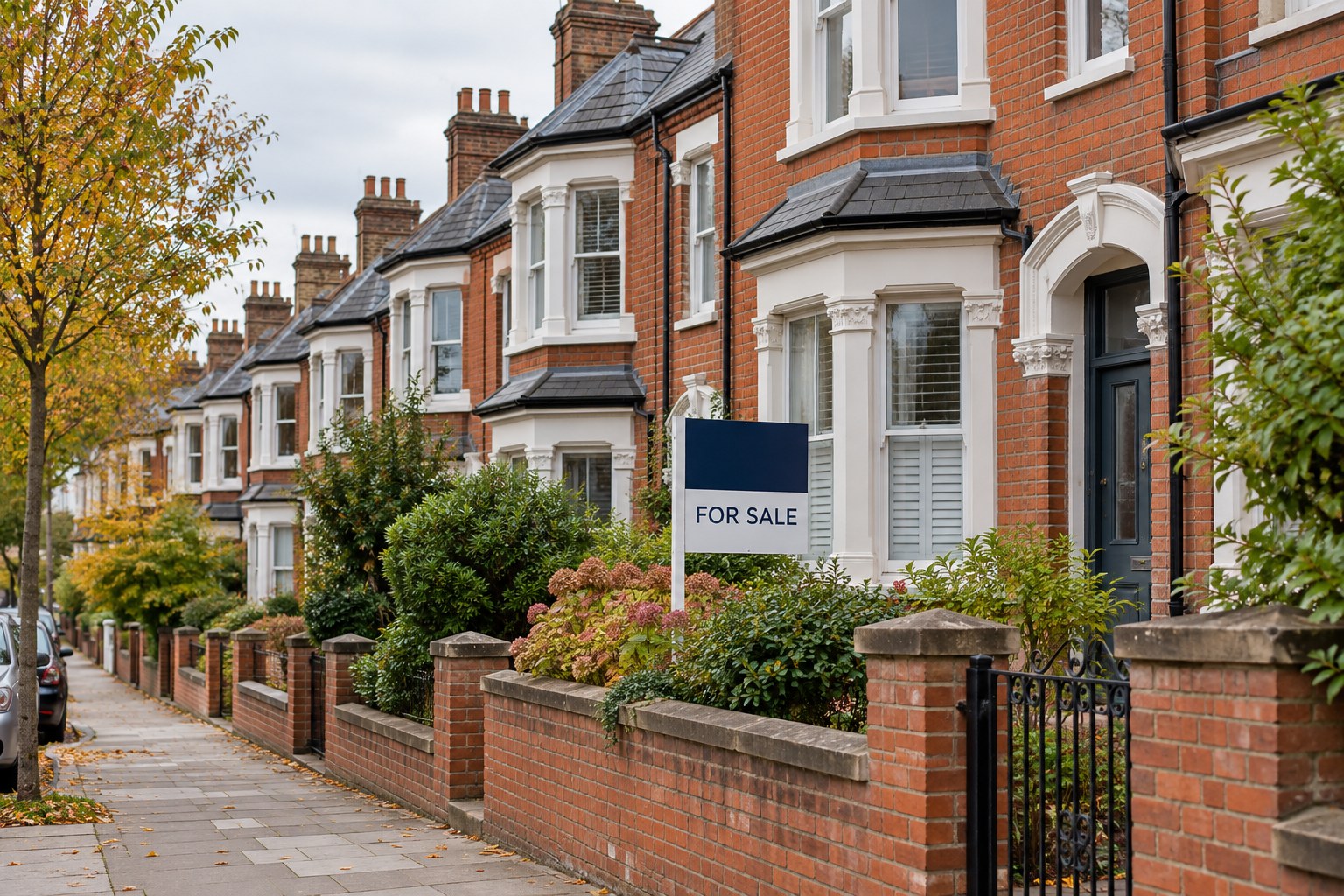
UK house prices in September 2026 rose by 0.8% compared with a year earlier, down from 1.6% annual growth in August. Prices also fell by 0.2% over the month after seasonal adjustment, according to the latest Nationwide figures.
The average property price in Nationwide’s monthly index stood at £274,251. Its report, published on 1 October, gives buyers and sellers a fresh view of the market as the autumn moving season gets underway.
Slower growth does not mean prices have fallen everywhere. The national annual figure remains positive, while conditions differ between regions and property types. For anyone planning a move, the figures provide context. The asking price, condition and running costs of the actual home still need closer attention.
Quick Answer: What Happened to UK House Prices in September 2026?
Nationwide recorded annual house price growth of 0.8% in September, alongside a seasonally adjusted monthly fall of 0.2%. Its average UK property price was £274,251.
This points to a softer national market rather than a uniform fall across the country. Buyers should compare local homes and borrowing costs, while sellers need to support their asking price with evidence from similar properties.
UK House Prices September 2026: Nationwide’s Latest Figures
The latest Nationwide report records the weakest annual growth since December 2025.
There are two separate comparisons behind that finding. The annual figure measures prices against September last year. The monthly figure compares September with August, with an adjustment for seasonal patterns.
A market can therefore show a monthly fall while prices remain higher than a year earlier. That is what happened in September.
The average price also needs careful handling. Nationwide’s published average is not seasonally adjusted, whereas its headline monthly percentage change is. Calculating the difference between two published average prices will not necessarily reproduce the seasonally adjusted monthly change.
For PAD Magazine readers, the useful question is how these national figures relate to the homes being bought and sold locally.
Why Slower House Price Growth Does Not Automatically Make Buying Easier
A lower rate of house price growth may sound encouraging to buyers who have struggled to keep pace with the market. However, the purchase price is only one part of affordability.
A buyer also has to consider the deposit, mortgage payment, product fees and the money needed after completion. A home that appears affordable on paper can become difficult to manage once repairs, insurance and everyday bills are included.
Consider two otherwise similar properties. One costs slightly less but needs immediate roof repairs and a new heating system. The other has a higher price but fewer urgent jobs. The cheaper listing may require more cash during the first year.
The same principle applies to borrowing. A modest reduction in the agreed price can be outweighed by a more expensive mortgage deal. Buyers need to compare the full cost of the move rather than treat a softer house price headline as a reason to increase their budget.
PAD’s coverage of the Bank of England September decision provides background on how interest rate decisions can affect the housing market.
Why Asking Prices and Nationwide Prices Can Move Differently
Readers may remember reports that new seller asking prices increased in September. That does not contradict Nationwide’s monthly decline.
An asking price is the amount a seller requests when marketing a home. It can change during the listing period, and the eventual buyer may agree a different figure.
Nationwide’s index uses mortgage lending data to track prices for the properties within its coverage. It is a different measure from the prices attached to newly advertised homes.
PAD’s September asking-price report explains the listing side of the market.
These measures help answer different questions. Asking prices show what new sellers are seeking. Mortgage-based indices provide another view of property values. Completed transaction data adds further evidence, usually covering an earlier period.
For an individual buyer, the practical task is to compare the advertised price with similar local homes and available sold-price evidence. A national average cannot establish whether one listing represents fair value.
September 2026 House Prices by UK Region
Nationwide’s third-quarter figures show a clear regional difference. Northern Ireland recorded annual growth of 5.9%, while the North West was England’s strongest-performing region at 3.9%. East Anglia recorded an annual decline of 0.7%.
These regional results cover the three months to September. They should not be treated as directly equivalent to the September-only national figures.
They also show why broad statements about the UK housing market can miss what matters to a particular move. Someone selling in a market with stronger demand may have a different experience from an owner whose property faces several competing listings.
Even within the same town, prices can vary with transport links, school catchments, property condition, parking and the type of home available.
A regional trend is a useful starting point. Recent evidence from the relevant neighbourhood is more useful when setting an asking price or deciding what to offer.
UK House Price Trends: What Buyers Should Consider
A softer national reading gives buyers a reason to examine prices carefully. It does not establish that every seller will accept a large discount.
Negotiating room depends on the home and the seller’s circumstances. A property that has attracted several credible offers is a different proposition from one that has remained available for months.
Compare Local House Prices Before Making an Offer
Before making an offer, compare homes with a similar location, size and condition. Look beyond the number of bedrooms. Floor area, outdoor space, layout and renovation needs can make a substantial difference.
Current listings show the alternatives competing for attention. Available sold-price records show what buyers paid, although the transactions may reflect negotiations that took place months earlier.
If a property is priced above comparable homes, ask what supports the difference. An extension, larger plot or recent refurbishment may explain it. The seller’s expectations alone may not.
Keep Money Available After Completion
Using every available pound for the deposit can leave little room for unexpected costs.
Buyers should account for legal work, surveys, moving expenses and any applicable transaction taxes, as well as the work the property may need. A survey can identify issues that were difficult to judge during a viewing.
The sensible offer is the one that fits the buyer’s finances and the property’s condition. It need not follow a national percentage change.
What Slower UK House Price Growth Means for Sellers
For sellers, September’s figures are a prompt to review the evidence behind their valuation.
Ask estate agents which comparable properties support their recommended asking price. It is also worth asking how those homes differ from yours and whether the examples are current listings or completed sales.
A high valuation can be appealing, but it needs a credible explanation. Buyers comparing several homes will notice when one property costs more without an obvious advantage.
Review the Response to the Listing
Once the home is marketed, enquiries and viewing feedback can help identify problems.
Limited interest may suggest that the price or presentation needs attention. Viewings without offers may raise different questions about condition, layout or the value buyers see after visiting.
These are possibilities to investigate, rather than automatic reasons to cut the price. Discuss the pattern with the agent and compare it with competing listings.
Consider the Whole Offer
The highest offer is not the only detail that matters. A buyer’s funding position, chain and proposed timetable can affect whether the sale proceeds smoothly.
Sellers should ask their agent to explain the strengths and uncertainties of each offer. A clear understanding of those details is more useful than assuming the national market headline predicts the outcome of their sale.
What to Watch in the Autumn Property Market
The next few months will provide more evidence about whether September’s softer reading continues.
Mortgage costs, buyer enquiries, agreed sales and subsequent price reports will all help build that picture. None gives a complete answer on its own.
PAD’s earlier coverage of buyer demand and market activity offers further context. Buyer interest and price growth should still be considered separately: an enquiry does not necessarily become an offer or a completed purchase.
For households planning a move, there is no need to turn one monthly release into a prediction. Compare local properties, check the likely costs and revisit the budget when circumstances change.
FAQs About UK House Prices in September 2026
Did UK house prices fall in September 2026?
Nationwide recorded a 0.2% monthly fall after seasonal adjustment. Prices remained 0.8% higher than a year earlier in its index.
What was the average UK house price in September 2026?
Nationwide’s monthly average was £274,251. Other indices may publish different averages because their data and methods differ.
Does slower growth mean sellers will accept lower offers?
It does not tell you what an individual seller will accept. Comparable prices, property condition, competing demand and the seller’s circumstances are more useful guides.
Why did asking prices rise while Nationwide recorded a monthly fall?
The measures cover different parts of the market. Asking prices reflect what sellers request for newly listed homes, while Nationwide uses mortgage lending data.
Are the regional figures for September alone?
No. The regional results discussed here cover the third quarter, or the three months to September. They are separate from the monthly national reading.
Should buyers wait for another price fall?
September’s figures cannot establish what happens next. Buyers should assess their budget, borrowing options, moving needs and the suitability of the property before deciding.

