


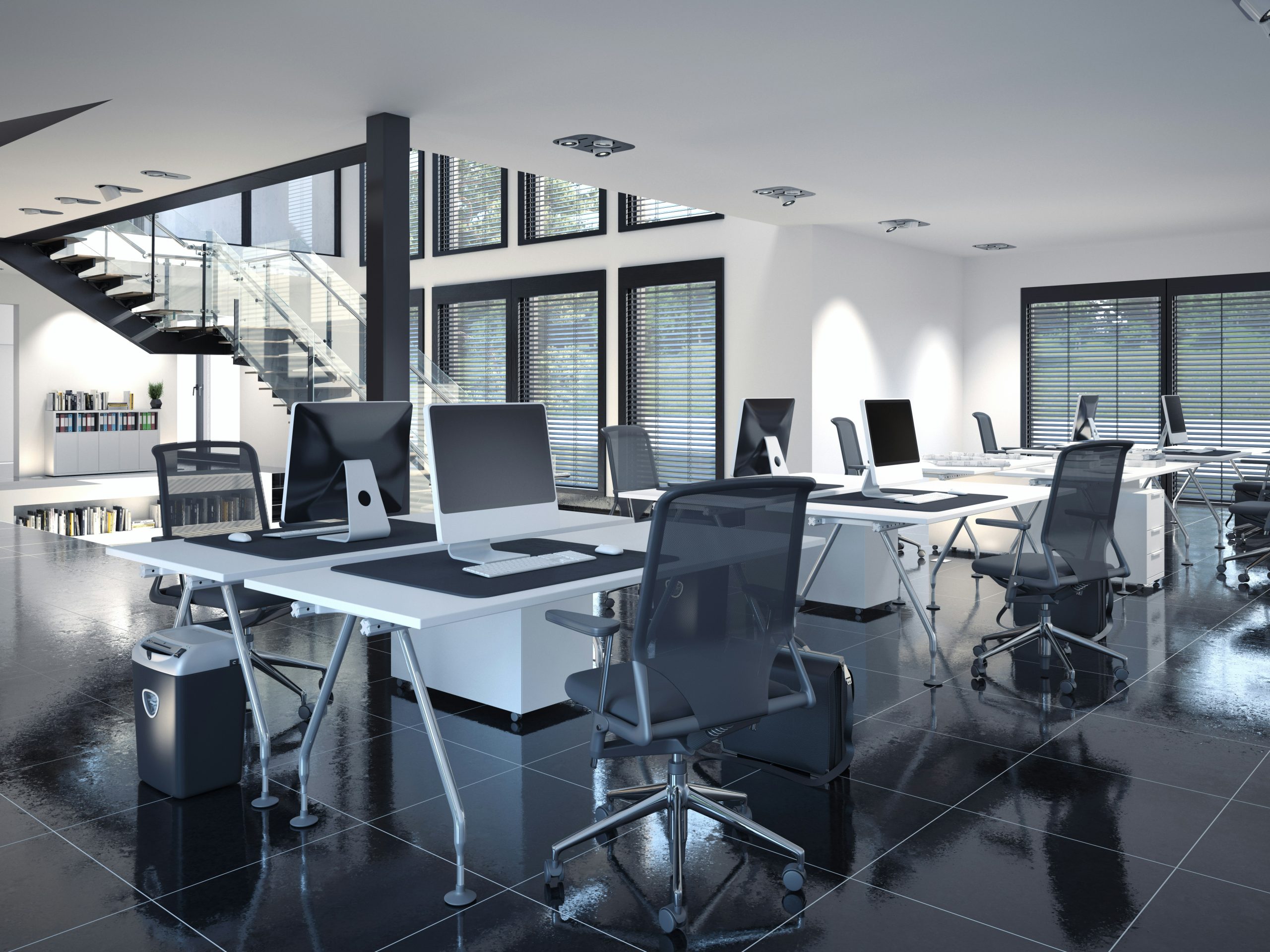
Most offices are designed around furniture. It should be the other way around.
Bespoke office furniture flips that logic — and more businesses are catching on. Instead of squeezing awkward floor plans around standard desks from a catalogue, custom-made pieces are built to fit the space, the team, and the brand. The results can be transformative. But there are real trade-offs too, and they’re worth understanding before you commit.
Here’s what organisations actually need to know.
Why Standard Furniture Often Falls Short
Picture a growing company that’s just moved into a converted Victorian warehouse. High ceilings, exposed brick, structural columns every six metres. Beautiful space. But off-the-shelf workstations? They’ll fight it at every turn — wasted corners, circulation bottlenecks, storage that doesn’t fit the wall runs.
That’s the problem standard furniture can’t solve. It’s built for a generic office that doesn’t exist.
Bespoke solutions are designed around the actual room — irregular layouts, low ceilings, awkward alcoves, open-plan zones that double as quiet areas. Every square metre gets used properly. For smaller offices especially, that efficiency isn’t a luxury; it’s essential.
Function First — Then Aesthetics
Different industries work differently. A legal firm needs document storage and privacy screens. A creative agency wants collaboration tables and writable surfaces. A healthcare provider has compliance requirements that dictate material choices. None of those needs map onto the same furniture range.
Custom pieces can be designed around specific workflows — not just how a space looks, but how people actually move through and use it. Technology integration matters here too. Cable management, integrated charging points, video conferencing setups — bespoke office furniture handles all of it neatly, without the tangle of afterthought solutions bolted on later.
Ergonomics are another piece of the puzzle. Adjustable desk heights, monitor positioning, accessible storage — when furniture is designed around users from the start, the physical strain that accumulates over years of poor setups simply isn’t there.
Brand Identity Is Part of It Too
Reception areas, client-facing meeting rooms, breakout spaces — these aren’t just functional. They communicate something about who a company is. Custom materials, brand colours, specific finishes: bespoke office furniture lets organisations carry their visual identity into the workspace itself, consistently and intentionally.
That matters more than people often admit. First impressions stick.
The Real Costs — And They’re Not Just Financial
Here’s where it gets more complicated. Custom furniture costs more upfront. That’s just true. Design fees, fabrication, installation — the initial outlay is higher than ordering from a standard range, sometimes significantly so.
Lead times are longer too. A bespoke project moves through design approvals, manufacturing, and installation in a sequence that can stretch weeks or months. For businesses on tight relocation schedules, that timeline needs to be baked in early — not discovered halfway through a fit-out.
And flexibility? That’s the catch nobody mentions at the start. Furniture built specifically for one space doesn’t always travel well. If the company moves, restructures, or doubles in headcount, highly customised pieces can become more obstacle than asset.
None of this makes bespoke the wrong choice. But it makes planning non-negotiable.
What’s Changing in Workplace Design
Hybrid working has reshuffled priorities across the board. Fewer businesses need a fixed desk for every employee; more need spaces that shift between focused work, collaboration, and informal interaction across the same day.
That’s pushed demand toward modular bespoke solutions — furniture with custom aesthetics and fit, but with enough adaptability to reconfigure as needs change. Biophilic design is gaining ground too: natural materials, organic shapes, integrated planting. The instinct to bring something warmer and less corporate into office environments isn’t going away.
Sustainability is increasingly non-negotiable for procurement teams. Recycled materials, sustainably sourced timber, low-emission finishes, repairable construction — these aren’t just nice-to-haves anymore. A longer-lasting piece of furniture has a lower environmental cost over time, which is a real argument in favour of quality bespoke construction over cheaper alternatives replaced every few years.
Choosing a Manufacturer Worth Working With
Not all manufacturers approach bespoke work the same way. The ones worth partnering with bring genuine design expertise — an understanding of how workplaces actually function, not just how they photograph. They should be able to demonstrate production capability at the required scale, knowledge of material performance in commercial environments, and project management that keeps designers, contractors, and clients properly coordinated.
The best outcomes come from treating the manufacturer as a collaborator from the start, not a supplier brought in at the end.
Conclusion
Bespoke office furniture isn’t right for every organisation or every project. The costs are real, the timelines are real, and the commitment is real. But for businesses that want a workspace genuinely shaped around how they operate — not a generic solution adapted to fit — custom design delivers something off-the-shelf simply can’t.
The question worth asking isn’t whether bespoke furniture is worth it in the abstract. It’s whether the specific space, team, and ambitions in front of you justify the investment. Often, they do.