


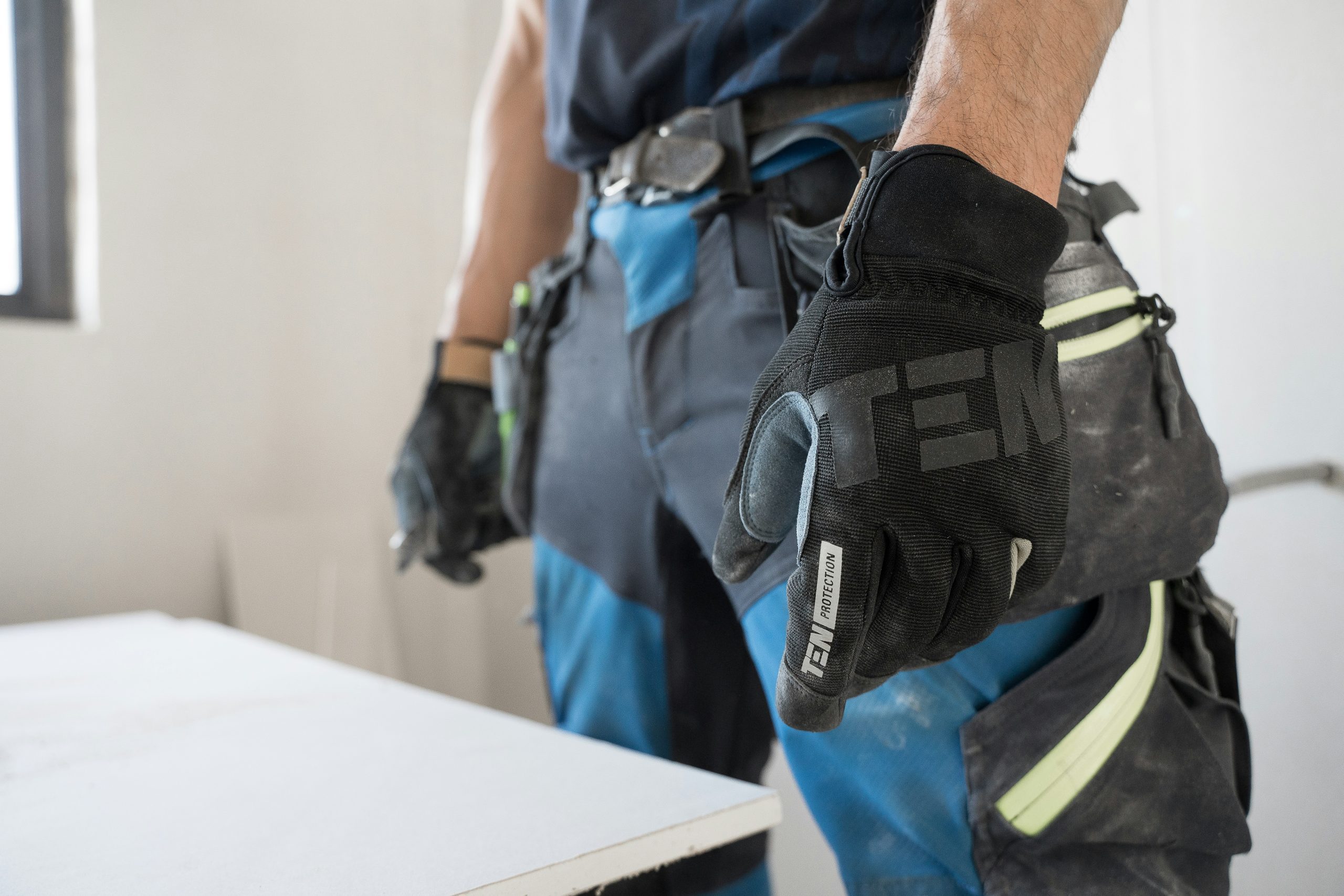
Gloucester’s a strange mix when it comes to construction — centuries-old stone buildings sitting a few streets away from new housing estates, with everything in between. That range is exactly why demand for builders in Gloucester covers so much ground, from heritage restoration to modern kitchen extensions, often within the same week for the same firm.
Rather than thinking of “builders” as one category, it’s more useful to think of it as a local network of trades, regulations, and project types — all interacting, all shaping what’s actually achievable on a given job.
So what does that look like in practice?
The market, briefly
Three things mainly drive building work here: ongoing demand for residential extensions and upgrades, commercial redevelopment across urban and retail areas, and conservation requirements tied to the city’s historic buildings.
That mix means contractors generally need to be adaptable. Someone restoring a listed shopfront facade in the morning might be fitting a modern kitchen extension that afternoon — not unusual at all. In practice, builders working across Gloucestershire tend to operate as multi-skilled teams rather than narrow specialists, particularly for medium-sized jobs where several trades need coordinating at once.
The main types of work
Residential improvements make up the bulk of the market — single and double-storey extensions, loft and garage conversions, full refurbishments, structural reconfiguration in older homes. Homeowners here generally prioritise three things: more space, better energy efficiency, and long-term value.
Commercial and light industrial work is a different beast — tighter scheduling, more compliance to navigate. Office fit-outs, retail refurbishments, warehouse modifications, hospitality upgrades — all need a different rhythm than residential jobs.
And then there’s specialist structural work — underpinning, foundation strengthening, damp-proofing, roofing replacement, drainage and groundwork. Technical stuff that goes well beyond general building skills.
How to actually evaluate a contractor
Picking based on price alone tends to backfire. A more useful approach looks at four things.
Technical capability — have they actually done this type of work before? Someone brilliant at new-builds might be the wrong choice entirely for heritage restoration, and vice versa.
Transparency — clear communication on timelines, costs, risks, upfront. Vague details early on tend to become disputes later, almost without exception.
Local knowledge — understanding Gloucester’s planning landscape genuinely reduces delays. Conservation rules, local authority expectations, that sort of thing — knowing it in advance saves headaches.
And financial stability plus insurance — properly insured, financially solid enough to keep materials and labour flowing without interruptions partway through.
What actually drives cost
A few interlinked factors, mostly.
Material prices fluctuate — timber, steel, insulation, finishes, all tied to global supply chains in ways that can shift a budget more than people expect, even on smaller jobs.
Labour demand matters too — skilled trades are in short supply across the UK generally, and when availability’s tight, scheduling gets harder and costs tend to creep up.
Design complexity is a big one — a simple extension costs a fraction of something needing structural redesign or specialist engineering input.
And regulation adds both time and cost — energy efficiency standards, planning permissions, especially in older or protected areas where extra approvals are often needed.
Where the industry’s heading
Energy efficiency isn’t optional anymore, really — reducing heat loss and improving insulation has moved from “nice extra” to expected standard practice on most jobs now.
Low-carbon construction’s gaining ground too — reclaimed timber, low-carbon concrete alternatives, that kind of thing showing up more in specs.
Digital project management’s becoming the norm — scheduling, budgeting, client updates all happening through apps and platforms, which genuinely cuts down on miscommunication.
And off-site construction methods are growing — prefabricating elements away from site, then assembling on location, which improves quality control and means less disruption while work’s happening.
What tends to go wrong
Even well-run projects hit snags. The recurring ones: misaligned expectations between client and contractor, scope that was underestimated from the start, planning delays, weather disruptions, and supply chain shortages.
Worth noting — a lot of construction disputes don’t actually come from poor workmanship. They come from unclear agreements at the outset. Get the groundwork right at the start, and a surprising number of problems just don’t happen.
A practical checklist before hiring
Worth running through before committing to anyone: is the scope clearly written down? Is there a detailed quote? Are timelines realistic and explained properly? Does the contractor have relevant experience for this specific type of job? Is payment staging clear? Are insurance and compliance documents actually available to check?
Simple stuff, mostly — but it closes a lot of gaps that otherwise cause friction later.
Why local expertise actually counts for something
Gloucester isn’t uniform — dense urban streets, suburban estates, rural surroundings nearby, each with different constraints. Local builders Gloucester tends to bring real advantages here: existing relationships with suppliers, familiarity with how council approvals tend to go, understanding of regional building styles and materials, and faster response times when something needs adjusting mid-project.
For anyone wanting a practical sense of what locally grounded construction services actually look like, builders gloucester offers a useful starting point.
Where this leaves things
Construction in Gloucester sits at the intersection of tradition, regulation, and modern expectations — and that’s not changing anytime soon. Whether it’s residential improvements, commercial refurbishment, or structural engineering, builders Gloucestershire remain central to how the area continues developing.
Success tends to come down to choosing experienced people, defining scope clearly from the start, and understanding the practical realities of how construction actually works — not chasing the cheapest quote. And as sustainability, efficiency, and durability expectations keep rising, the bar for building contractors Gloucestershire keeps rising with them. Informed decisions, more than anything else, are what actually protect a project from going sideways.