


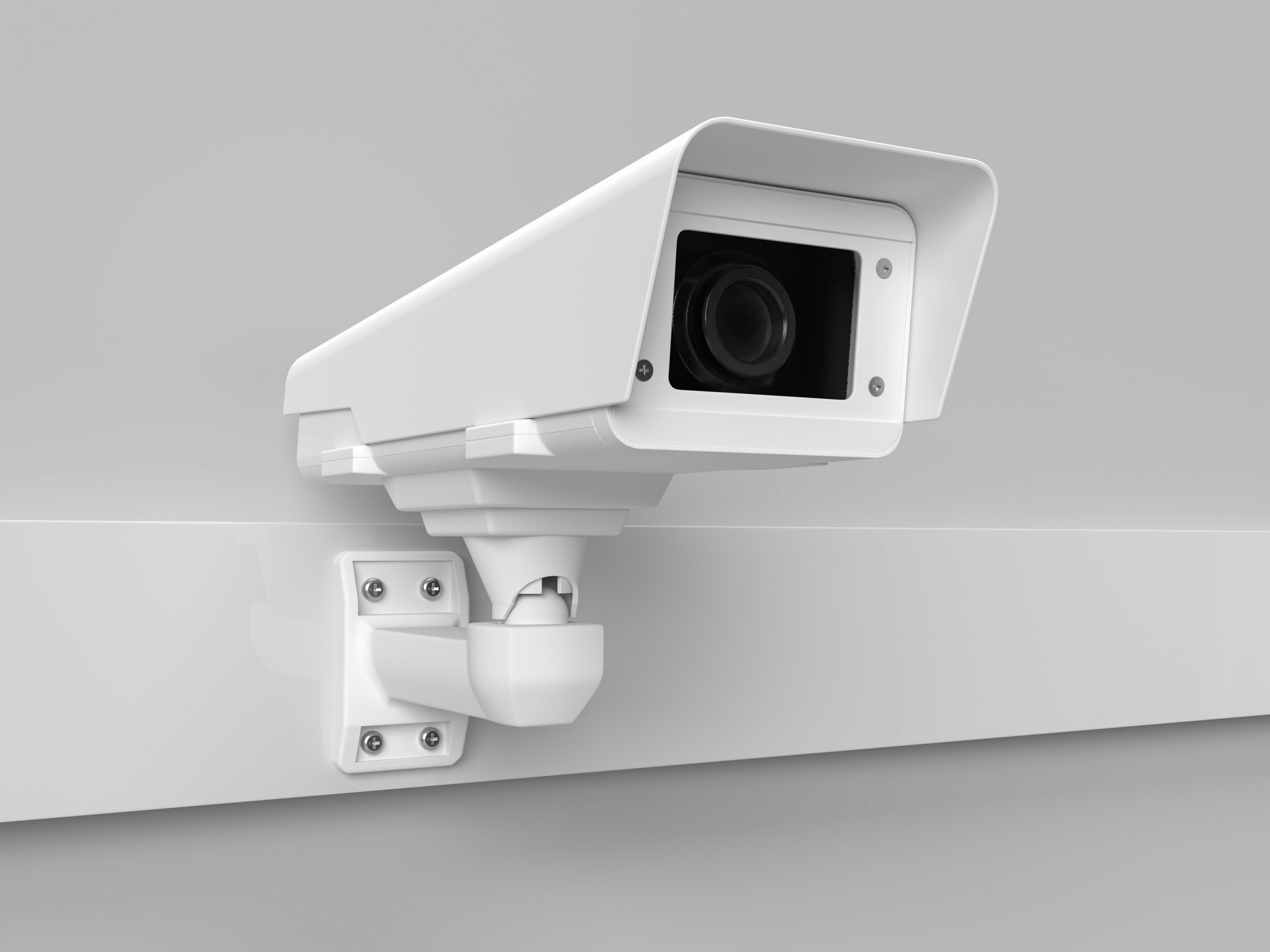
Security concerns aren’t going away, and across the UK — Gloucester included — that’s pushing more homeowners and businesses toward surveillance systems that are genuinely capable now, not just “better than nothing.” Demand for cctv installation Gloucester services has grown steadily as a result, with people looking for something that actually deters crime and gives them a clear picture of what’s happening on their property.
The applications stretch wide — homes, retail premises, industrial sites, offices, all use CCTV for different reasons. But here’s the thing: installing cameras is the easy part. System design, legal compliance, image quality, storage, ongoing maintenance — all of it affects whether a system actually works when it matters.
So what should actually shape that decision?
Why people install CCTV in the first place
A few recurring reasons: deterring opportunistic crime, monitoring entry points, protecting staff and customers, cutting down theft and vandalism, meeting insurance requirements, and — when something does go wrong — having usable evidence afterward.
Research backs this up too: visible security measures genuinely influence behaviour. CCTV won’t stop everything, but it shifts the odds, and it helps when investigations are needed.
For homes specifically
Homeowners are increasingly adding CCTV — front door monitoring, driveway coverage, garden and perimeter views, keeping an eye on deliveries, and checking in remotely while away. Most modern systems let you pull up live footage on a phone from pretty much anywhere, which has made a noticeable difference in how people actually use these systems day to day.
That said, a few things genuinely need thinking through before installation. Camera placement matters more than people expect — blind spots happen easily if it’s rushed. Privacy comes into play too, especially if cameras might catch neighbouring properties. Data storage needs sorting out. Network security matters for anything internet-connected — a poorly secured camera is its own kind of risk. And long-term maintenance shouldn’t be an afterthought.
For businesses, it gets more complex
Retail environments lean on CCTV for reducing shoplifting, monitoring customer activity, supporting staff safety, and generally helping with operational oversight — footage can settle disputes, reveal customer flow patterns, highlight vulnerabilities nobody noticed before.
Offices and industrial sites usually need wider coverage — entrances, car parks, warehouses, loading bays, restricted zones. Larger setups often integrate CCTV with alarms, access control, and remote monitoring — building toward something closer to a full security strategy rather than just “cameras on walls.”
Picking the right type of system
Analogue systems are still around for good reason — lower upfront cost, simple installation, reliable. The trade-off is image quality and scalability, which lag behind newer options.
IP camera systems have become the more popular choice — high-definition footage, remote access, advanced analytics, easier to scale. Costs more upfront though, and leans more heavily on network infrastructure being solid.
Cloud-based storage is gaining traction too — off-site data protection, simpler management, less on-site hardware. The catch is ongoing subscription costs and a dependency on internet connectivity that not every site has reliably.
Legal stuff — don’t skip this
In the UK, anyone running surveillance that captures identifiable people needs to think about data protection requirements. That means appropriate signage, secure storage of footage, controlled access to recordings, and clearly defined retention periods.
Homeowners generally face fewer formal requirements, but privacy still matters — particularly where cameras might overlook a neighbour’s garden or shared/public space.
What actually drives the cost
A handful of variables: how many cameras, what resolution, property size, how much storage and recording capacity is needed, network setup, installation complexity, and ongoing maintenance.
A small home might need just a few cameras. A large commercial site could involve dozens, all integrated together. Worth saying clearly: the cheapest option isn’t always the best value — a properly designed system tends to perform better and cost less over its lifetime than something chosen purely on initial price.
Why design matters as much as the hardware
Professional installers assess security risks, site layout, lighting, camera positioning, blind spots, and room for future expansion — all before a single camera goes up. Anyone researching options for cctv installation Gloucester will find this is usually where the real value gets added — not in the cameras themselves, but in how thoughtfully the whole system’s planned around the actual site.
Where the technology’s heading
AI and video analytics are changing what CCTV can actually do — intrusion detection, object recognition, line-crossing alerts, vehicle identification, all automated rather than relying on someone watching screens constantly.
Image quality keeps improving too — 4K recording, better night vision, improved low-light performance, wider angles. All of this matters most when footage needs reviewing after the fact.
And integration’s growing — CCTV increasingly sits alongside alarms, access control, video doorbells, and apps, all managed through one interface rather than separate systems nobody checks consistently.
Gloucestershire’s regional quirks
Beyond the city itself, cctv installation gloucestershire projects often deal with their own set of considerations — rural locations with patchy connectivity, weather exposure, large agricultural sites, historic buildings where installation options are more limited. One-size-fits-all rarely works well here; solutions tend to get tailored to whatever the property actually presents.
Bottom line
Growing demand for cctv Gloucester reflects a broader shift — people taking security more seriously, and technology making that genuinely achievable rather than just aspirational. Whether it’s a home, a shop, or an industrial site, getting it right means thinking through legal requirements, technology choices, and proper system design from the start — not just buying cameras and hoping for the best.
As AI, cloud storage, and higher-resolution imaging keep advancing, CCTV looks set to remain a core part of how people protect homes and businesses for a long while yet.