


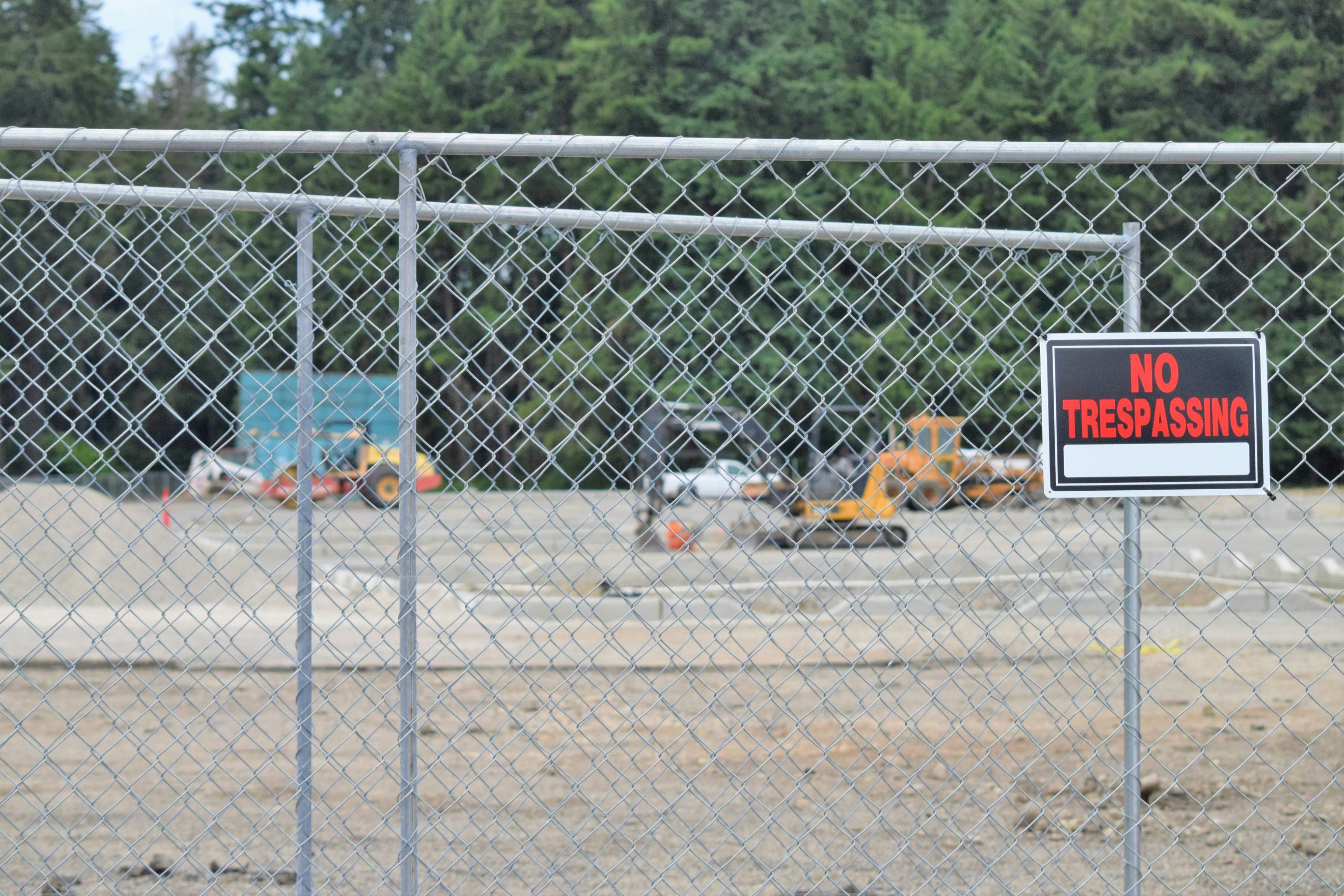
Walk past any construction site and the fencing barely registers — it’s just there, doing its job quietly. But temporary fencing is doing more work than that glance suggests. Security, safety compliance, crowd control, dust containment — depending on the setting, it’s handling several jobs at once.
From small renovation projects to major infrastructure schemes, temporary fencing creates boundaries that can shift as a project does. Unlike permanent fencing, it’s built around flexibility — go up fast, come down fast, move when the site layout changes.
So what’s actually involved in choosing and using it well?
The basics
Temporary fencing means portable barrier systems — steel mesh panels, hoarding panels, support feet, connecting couplers — designed for short or medium-term use rather than permanent installation.
Where does it show up? Construction and demolition sites, infrastructure projects, roadworks, festivals and outdoor events, emergency response zones, vacant property protection, crowd management. Pretty broad range, honestly — but the common thread is sites where layouts or access needs might change before the job’s done.
Why it’s not just a formality
Here’s the thing: restricting access on a construction site usually isn’t optional. It’s a legal requirement, often, not just good practice.
Think about what’s actually on most active sites — excavation works, heavy machinery, electrical equipment, building materials lying around. Without proper site fencing, the risk isn’t theoretical. Unauthorised access into areas like that genuinely increases accident risk and creates liability headaches nobody wants to deal with after the fact.
What temporary fencing actually delivers: better site security, protection for workers and the public, reduced theft and vandalism, support for health and safety compliance, and proper management of access points. Not glamorous, but essential.
Construction sites specifically
This is where temporary fencing shows up most. Building site fencing typically goes in before work even starts and stays put until the project wraps.
On the safety side, it creates a clear line between operational areas and public space — reducing accident risk significantly. In urban settings, it often does double duty directing pedestrians safely around active work zones too.
Then there’s asset protection. Construction sites accumulate valuable tools, equipment, materials — fencing acts as a visible deterrent, though it’s worth saying: fencing alone won’t stop determined theft. It’s one layer in a broader security approach that usually includes lighting, CCTV, controlled entry points.
And flexibility matters more than people realize. Sites evolve — access routes shift, storage areas move, work zones change as a project progresses. Temporary fencing lets boundaries adjust without the cost and disruption permanent fencing would involve.
Different jobs need different fencing
Mesh panel fencing is probably the most common option — good visibility, quick to install, reusable across multiple projects. Shows up constantly on construction sites, utility works, infrastructure projects generally.
Hoarding systems use solid panels rather than open mesh. The trade-offs go the other way though: more privacy, less visual impact, better dust and debris control, stronger security overall. Tends to get used in busy town and city centres where what’s behind the fence matters as much as keeping people out.
Crowd control barriers are lighter-duty — designed for managing pedestrian movement rather than serious security. Festivals, sporting events, public gatherings, queue management — different job entirely, even if it looks superficially similar.
Choosing the right setup
A few things actually drive this decision.
Security needs vary enormously by site. A small residential job might need only basic perimeter protection. A major infrastructure site? Probably reinforced systems with additional security layers built in.
Site conditions matter too — ground type, terrain, weather exposure. Exposed locations sometimes need extra stabilisation just to stand up to wind, which sounds obvious until you’ve seen fencing blown over mid-project.
Project duration shapes things as well. Short jobs prioritise speed — get it up, get it down, move on. Longer projects often justify more robust systems that hold up better over months rather than weeks.
Compliance is non-negotiable in most cases — health and safety regulations frequently mandate effective perimeter controls, and the right site fencing helps meet those obligations while reducing operational risk generally.
And then cost versus performance — the eternal tension. Cheaper systems save money upfront but might mean lower durability, weaker security, more maintenance down the line. Higher-spec options cost more initially but tend to perform better and create fewer headaches. Most projects land somewhere in the middle, balancing budget against what the site actually needs.
Installation — easy to underestimate
The product only matters if it’s installed properly. Secure panel connections, correct support feet, adequate stabilisation, sensible gate placement, regular inspections — skip any of these and even premium fencing can fail at exactly the wrong moment.
The sustainability angle
One genuine upside: temporary fencing is reusable. Steel systems get deployed across project after project, cutting material waste and improving resource use generally. Many systems are recyclable at end of life too — small thing, but it adds up across an industry that uses a lot of fencing.
Where things are heading
A few trends worth knowing about. Integration with other security tech is growing — CCTV, access control, remote monitoring, motion detection, all increasingly paired with fencing rather than treated separately.
Site presentation is getting more attention too — how a construction site looks to the people walking past it. Hoarding and screened fencing solutions are becoming more common in urban developments specifically, where visual impact genuinely affects public perception of a project.
And installation keeps getting faster — manufacturers refining panel designs and connection systems to cut labour time and speed up project timelines generally.
Doing your homework
When comparing options, project managers typically lean on technical specs and product information. Looking into different types of temp fencing helps clarify what’s actually suited to a given site — rather than just defaulting to whatever’s cheapest or most familiar.
What can still go wrong
Even good fencing has limits. Extreme weather remains a vulnerability. Inspections need to happen regularly, not just at setup. Vehicles and equipment can damage panels more easily than people expect. And balancing security with the practical need for site access — deliveries, staff movement — is an ongoing tension rather than a one-time decision.
Addressing all this generally comes down to planning properly upfront, choosing the right product for the actual conditions, and maintaining it throughout rather than assuming it’ll look after itself.
Bottom line
Temporary fencing might look like a minor logistical detail, but it’s doing real work — safety, security, access control, sometimes all three at once. Whether it’s site fencing for a small renovation, building site fencing for something major, or crowd barriers at an event, getting the choice right depends on understanding what the project actually needs: security level, site conditions, how long it’ll be up, budget, and compliance requirements.
Get those right, and fencing becomes one of those things that just quietly works — protecting people, assets, and the project itself without anyone having to think about it twice.