


Introduction
A company fleet is more than a group of vehicles moving between jobs, deliveries, service calls, events, and customer sites. It is a public-facing network that appears in real streets, real neighborhoods, and real operating environments every day. For industrial, logistics, construction, healthcare, utility, retail, and service brands, those vehicles can either pass unnoticed or become a disciplined part of the brand’s visibility strategy.
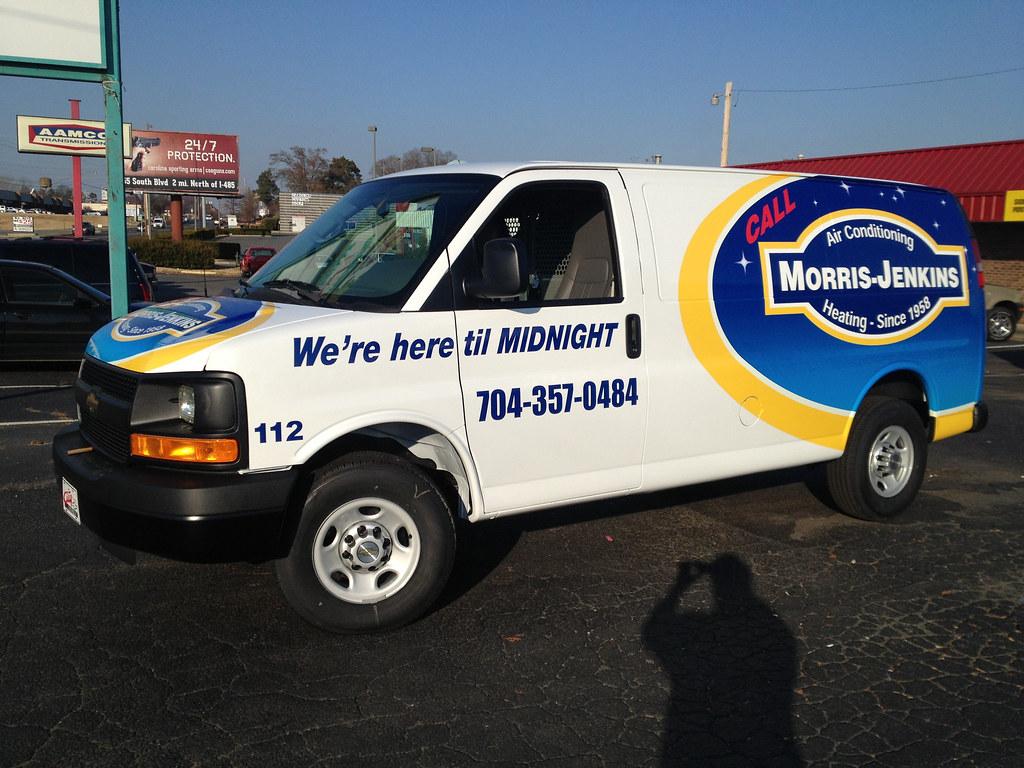
Fleet graphics turn transportation into communication. A well-designed wrap helps a company look organized, recognizable, and prepared before a driver speaks to a customer. It can support brand consistency across vans, trucks, trailers, box vehicles, service units, and specialty builds. In a market where companies compete for attention both online and offline, a branded fleet gives the business a moving presence that is difficult to ignore.
Why Fleet Branding Matters in Industrial Markets
Industrial and service-based businesses often rely on trust. Customers want to know that the company arriving at their facility, home, job site, or event is legitimate and professional. A clean, consistent vehicle wrap helps create that first layer of confidence. It identifies the company clearly and turns each route into repeated brand exposure.
This visibility is especially useful because fleet vehicles already move through high-value locations. They park near customer buildings, travel through business districts, appear at project sites, and sit in traffic where thousands of people may see them. A single vehicle can create repeated impressions without needing a separate media placement. When the design is consistent across the fleet, the effect becomes stronger.
A Fleet Is a Brand System, Not a Single Graphic
Effective fleet wrapping is not simply placing a logo on a door. It requires a visual system that works across different vehicle sizes, shapes, surfaces, and viewing distances. A compact service van, a pickup truck, a box truck, and a trailer may all need to carry the same brand identity while respecting different body lines and panel layouts.
That means the design must prioritize readability, contrast, spacing, logo placement, contact visibility, and message hierarchy. If the graphics are too crowded, people will not process them at speed. If the colors are weak or the layout is inconsistent, the fleet may look less coordinated. A strong wrap system feels crisp, deliberate, and easy to recognize from multiple angles.
Industrial Cost Pressures and Visual Asset Planning
Fleet branding decisions are also connected to broader industrial planning. Vehicle bodies, fabrication, signage, graphics, and installation all exist within a market affected by material costs, production capacity, and operational demand. Companies investing in physical assets need to think beyond immediate appearance and consider durability, lifecycle value, and long-term consistency.
Discussions around industrial demand and metal price pressure show how material markets can influence planning across manufacturing and construction-related sectors. While fleet wraps are graphics rather than structural metal components, the larger lesson still applies. Physical brand assets should be planned carefully because production decisions, replacement cycles, and field durability all affect the real return on investment.
Durability Protects Brand Consistency
A fleet wrap must survive road dust, sun exposure, rain, washing, temperature changes, and daily wear. If the material fades quickly, peels at the edges, bubbles on curves, or becomes inconsistent across vehicles, the brand loses sharpness. A weak wrap does not simply look old. It can quietly suggest that the company does not maintain its assets carefully.
Durability depends on the quality of the materials, the accuracy of the design files, the skill of the installation, and the condition of the vehicle surface. A wrap that is installed with care around handles, mirrors, seams, panels, and curves will usually present better and last longer. In fleet branding, small production details become public details.
Turning Fleet Movement Into Brand Recognition
When companies want their vans, trucks, trailers, and service vehicles to create a professional impression across every route and customer touchpoint, the graphics need to be readable, durable, and consistent at fleet scale. Professionally produced vehicle fleet wraps help transform daily transportation into moving brand visibility that supports recognition, trust, and a stronger field presence.
Connected Fleets and the Modern Visibility Layer
Modern fleets are becoming more connected. Companies now track vehicles, monitor routes, manage service schedules, analyze fuel use, and coordinate teams through digital platforms. This connected approach helps businesses operate more efficiently, but it also changes how fleets should be viewed. A vehicle is no longer only a transport tool. It is part of a wider operating system.
The growth of the Industrial Internet of Things shows how connected devices, platforms, and data are reshaping industrial operations. Fleet wraps add the visible layer to that operational network. While sensors and systems manage what happens behind the scenes, the exterior graphics shape what customers and the public see. Together, they turn the fleet into both an operational asset and a brand asset.
Visibility Should Match Operational Quality
If a company invests in route optimization, customer communication, mobile service tools, and connected fleet management, the visual presentation of the vehicles should match that level of professionalism. A disconnected or outdated wrap can make an advanced operation appear less refined than it really is. The outside should reflect the discipline inside the business.
This is especially important for companies whose teams visit customers directly. A wrapped vehicle may be the first physical signal that the company has arrived. It should make the business easy to identify, support employee credibility, and reinforce the same brand promise seen on the website, proposals, uniforms, signage, and customer communications.
Brand Section: Craftsmen Industries
Craftsmen Industries is associated with large format graphics, fleet branding, vehicle wraps, custom fabrication, branded trailers, mobile environments, and specialized industrial builds. In the fleet graphics category, the brand’s relevance comes from the need to combine visual strategy with production discipline. A wrap must look strong in design, but it also has to perform on real vehicle surfaces.
For companies managing active fleets, the finished result must be consistent, practical, durable, and aligned with brand standards. The graphics need to work across multiple vehicle types while maintaining a clear identity. Craftsmen Industries operates in a space where large-scale production, installation detail, and brand presentation all have to work together without turning the fleet into visual clutter.
Designing Fleet Wraps for Daily Road Conditions
The best fleet wrap designs respect how people actually see vehicles. Most viewers are moving, distracted, or seeing the vehicle from a distance. That means the design should be simple enough to understand quickly. A strong logo, clear service category, readable contact point, and clean color structure usually matter more than long text or complex visual effects.
The rear of the vehicle also deserves attention because people often spend more time behind a vehicle in traffic than beside it. Side panels create broad visibility, but rear graphics can support contact recall and brand recognition during stops. Every surface should have a purpose without overcrowding the message.
Planning for Growth and Refresh Cycles
A fleet may grow over time, and branding should be ready for that growth. Templates, placement rules, color standards, material choices, and vehicle-type guidelines help future wraps stay consistent. Without standards, each new vehicle can drift slightly from the original identity until the fleet feels mismatched.
Refresh planning is just as important. Services, phone numbers, URLs, taglines, and visual styles can change. A thoughtful fleet branding system makes updates easier and protects consistency during transitions. This keeps the fleet looking current without forcing the company into a full redesign every time a small detail changes.
Conclusion
Vehicle fleet wraps give companies a practical way to turn everyday movement into long-term visibility. They help fleets look organized, professional, and recognizable across routes, job sites, customer visits, and public spaces. But effective fleet branding requires more than graphics. It needs strategy, readability, durable materials, careful installation, and a system that can scale across different vehicles.
As fleets become more connected and industrial operations become more data-driven, the visual layer still matters. People see the vehicle before they see the software, schedule, or operating process behind it. A strong wrap brings the brand into motion and helps every mile carry a clearer message.