


Close Menu
PAD MagazinePAD Magazine
    Pages
    • About PAD Magazine
    • Advertise
    • Contact
    • Contribute Property and Home Improvement related content
    • Home
    • Newsletter Advertising
    • Pad Team
    • Property & Development Magazine
    • Subscribe
    Facebook X (Twitter) Instagram
    • Contribute
    • About PAD Magazine
    • Pad Team
    X (Twitter) RSS
    PAD MagazinePAD Magazine
    • Home
    • New Builds
      • Sales & Marketing
      • Regeneration
      • Planning & Design
      • Sustainable Construction
    • Luxury Living
      • Interior Design
      • Lifestyle
      • Property Renovation & Refurbishment
      • Garden & Lanscaping
      • Home Decor
    • News
      • Software
      • Energy & Utilities
      • Affordable Housing
      • Environment
      • Plant & Machinery
      • Products & Materials
      • Infrastructure & Energy
    • About
      • Pad Team
      • Contribute Property and Home Improvement related content
    • Contact
    Subscribe
    PAD MagazinePAD Magazine
    You are at:Home Smart Mobility Trends: Electric Scooters and Compact Urban Transport
    Automotive

    Smart Mobility Trends: Electric Scooters and Compact Urban Transport

    Property & Development MagazineBy Property & Development Magazine12/06/2026No Comments6 Mins Read1 Views
    Facebook Twitter Pinterest Telegram LinkedIn Tumblr Email Reddit
    smart mobility trends
    Share
    Facebook Twitter LinkedIn Pinterest WhatsApp Email

    The way people move through cities is changing fast. Rising fuel costs, growing environmental awareness, and the daily frustration of traffic congestion have pushed millions of commuters to rethink how they travel. At the heart of this transformation is a new wave of compact, clean, and connected vehicles — and the urban electric scooter is leading the charge.

    The Rise of Smart Mobility in Modern Cities

    Smart mobility is more than just a buzzword. It refers to the use of technology, data, and sustainable transport options to make city movement more efficient, affordable, and eco-friendly. Governments, startups, and everyday commuters are all investing in solutions that reduce dependence on private cars.

    From shared ride platforms to autonomous delivery robots, the smart mobility ecosystem is expanding rapidly. But among all the emerging options, personal electric micromobility — especially scooters — has become the most visible and widely adopted.

    Why Electric Scooters Are Dominating Urban Transport

    1. The Last-Mile Problem, Solved

    One of the most persistent challenges in urban transport is the “last mile” — the short distance between a transit hub (bus stop, train station) and a person’s final destination. Public transport covers the bulk of the journey, but that final stretch often forces people back into cars or taxis.

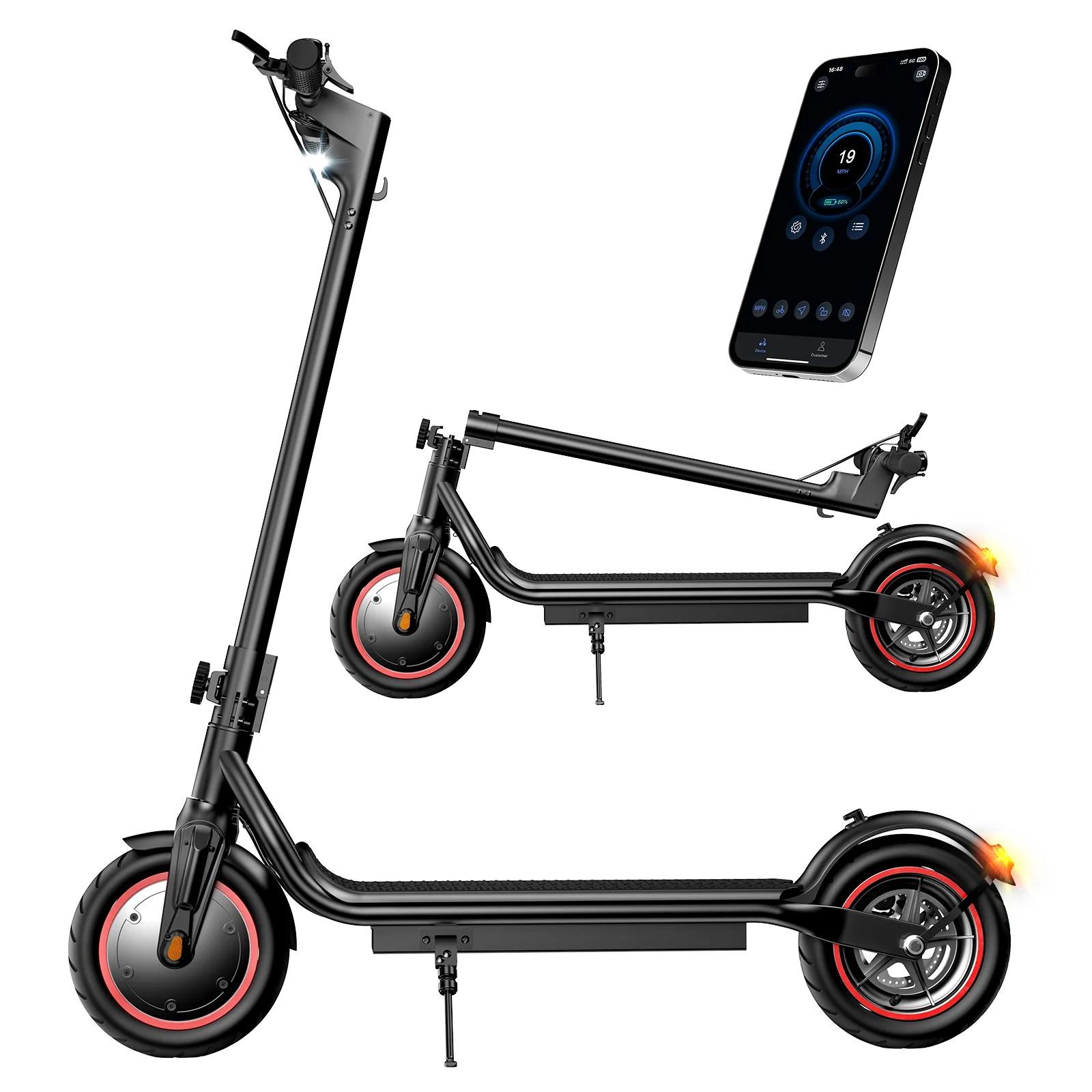
    The urban electric scooter bridges this gap perfectly. Lightweight, foldable, and fast enough for city streets, it allows riders to hop off a train and glide directly to their office, café, or home — no parking needed, no fuel required.

    2. Zero Emissions, Real Impact

    Traditional gasoline-powered transport is a major contributor to urban air pollution. Electric scooters produce zero direct emissions, making them a practical tool in the fight against poor air quality. Cities like Amsterdam, Paris, and Singapore have already integrated electric scooters into their official green transport strategies.

    See also  WJ Cuts Carbon Emissions Through Fleet Electrification

    When charged using renewable energy sources, the environmental benefit becomes even more significant — making the scooter not just a convenience, but a genuine climate solution.

    3. Cost-Effective Daily Commuting

    Owning and operating a car in a major city is expensive. Between fuel, parking, insurance, and maintenance, costs add up quickly. An electric scooter, whether personally owned or rented through a sharing platform, dramatically reduces daily commute costs.

    Shared scooter programs in cities like Barcelona, Berlin, and Dubai typically charge users per minute or per kilometer — making short trips extremely affordable compared to ride-hailing apps or taxis.

    Key Smart Mobility Trends Shaping 2024 and Beyond

    Trend 1: Integration with Public Transport Networks

    Cities are no longer treating scooters as a separate system. Forward-thinking transit authorities are integrating micromobility into their official apps and route planners. A commuter can now plan a journey that combines a metro ride with an electric scooter leg — all from a single interface.

    This multimodal approach is making urban transport more seamless and reducing the friction that once pushed people toward private cars.

    Trend 2: Smart Fleet Management and IoT Connectivity

    Modern electric scooters are equipped with GPS, cellular connectivity, and sensors that feed real-time data to fleet operators. This enables smarter parking enforcement, predictive maintenance, and dynamic pricing based on demand.

    For shared mobility companies, IoT connectivity means lower operational costs and better fleet utilization. For riders, it means more reliable availability and safer vehicles.

    Trend 3: AI-Powered Route Optimization

    Artificial intelligence is being embedded into mobility apps to suggest the fastest, safest, and most energy-efficient routes for scooter riders. Some platforms now use machine learning to predict congestion patterns and guide riders away from high-traffic zones in real time.

    See also  Make Your Own Number Plate: The Ultimate Guide to Creating a Unique Registration with SwiftReg

    This makes the urban electric scooter not just a vehicle, but a data-connected mobility tool that gets smarter with every ride.

    Trend 4: Subscription Models and Scooter-as-a-Service

    Rather than purchasing a scooter outright, a growing number of city dwellers are opting for monthly subscription plans. These services include the scooter, insurance, maintenance, and charging — all bundled into a single flat fee.

    This model lowers the barrier to entry and appeals especially to younger urban professionals who prioritize flexibility over ownership.

    Trend 5: Cargo Scooters and Delivery Micromobility

    Beyond personal commuting, electric scooters are being redesigned for cargo transport. Delivery companies and local businesses are adopting compact electric cargo scooters to navigate congested city streets faster than traditional delivery vans.

    This trend is particularly strong in densely populated cities where large vehicles struggle with narrow lanes and limited loading zones.

    The Role of Policy and Infrastructure

    Technology alone cannot drive smart mobility adoption. Supportive policies and physical infrastructure are equally important.

    Progressive cities are investing in:

    • Dedicated scooter lanes that separate riders from heavy vehicle traffic
    • Charging stations integrated into parking structures, transit hubs, and public squares
    • Licensing frameworks that ensure scooter operators meet safety and insurance standards
    • Subsidies and tax incentives that make electric micromobility more accessible to lower-income commuters

    Countries like the Netherlands and South Korea have already built out comprehensive micromobility infrastructure, and their scooter adoption rates reflect that investment.

    Challenges the Industry Still Needs to Address

    Despite impressive growth, the electric scooter industry faces real challenges:

    Safety concerns remain a top issue. Collisions between scooter riders and pedestrians or vehicles have prompted tighter regulations in many cities. Improved helmet adoption, better lighting, and mandatory speed limiters in urban zones are all part of the solution.

    See also  Inside the KC Remodel and Garden Show, Where Home Dreams Come to Life

    Battery technology is another frontier. Current lithium-ion batteries limit range and add weight. Solid-state batteries and improved energy density could dramatically extend the usefulness of personal scooters for longer urban trips.

    Responsible parking is still a headache for city planners. Dockless scooters left in pedestrian walkways or blocking accessibility ramps are a legitimate complaint. Geo-fenced parking zones and AI-enforced drop-off rules are being piloted in several markets.

    What the Future of Compact Urban Transport Looks Like

    The trajectory is clear: cities of the future will be built around people, not cars. As urban density increases and climate targets grow more urgent, the demand for clean, compact, and connected transport options will only accelerate.

    Electric scooters — both shared and personal — will evolve into smarter, safer, and more capable vehicles. They will communicate with traffic systems, adapt to road conditions in real time, and integrate seamlessly into a city’s broader mobility ecosystem.

    For urban commuters today, embracing an urban electric scooter is not just a lifestyle choice — it is an early step into the future of how cities will move.

    Final Thoughts

    Smart mobility is redefining urban life. From the last-mile commute to cross-city cargo delivery, electric scooters and compact transport solutions are proving that getting around a city can be faster, cheaper, and cleaner than ever before.

    As technology matures and cities invest in the right infrastructure, micromobility will shift from a trend to a cornerstone of sustainable urban planning. The revolution is already rolling — and it is electric.

    Author

    • Property & Development Magazine
      Property & Development Magazine
    Electric Scooters Micromobility Smart Mobility Sustainable Transport urban transport
    Share. Facebook Twitter Pinterest LinkedIn Reddit WhatsApp Telegram Email
    Previous ArticleArchitects in Cheltenham: What Makes Designing Here So Different
    Next Article Understanding the Role of a Property Buyer’s Agent
    Property & Development Magazine
    Property & Development Magazine

    Related Posts

    How Smart UK Homeowners Are Cutting Car Maintenance Costs Without Cutting Corners

    03/06/2026

    Inside Dubai’s Performance Car Market: How Buyers Find Used Sports Cars in Dubai

    20/03/2026

    Why Aluminum Alloys Make the Best Trolley Car Jacks

    27/01/2026
    Search
    Categories
    • Adult
    • Affordable Housing
    • AI
    • Animals & Pets
    • Architecture
    • Art & Entertainment
    • Automotive
    • Awards
    • Beauty
    • Book Publishing
    • Builds & Development
    • Business, Legal & Financial
    • Casino
    • Celebrities
    • Charity
    • Construction
    • Coronavirus
    • Corporate Social Responsibility
    • Crypto
    • Education
    • Energy
    • Energy & Utilities
    • Environment
    • Events
    • Fashion
    • Finance
    • Gambling
    • Gaming
    • Garden & Lanscaping
    • Health
    • Health and safety
    • Home
    • Home Decor
    • Home Improvement
    • Homes and Interiors
    • Housing
    • Infrastructure & Energy
    • Interior Design
    • Interiors
    • International
    • Jobs & Training
    • Law
    • Leisure & Hospitality
    • Lifestyle
    • Luxury Living
    • Management & Estate Services
    • Manufacturing
    • Marketing
    • Medical
    • Net Worth
    • News
    • Op-Ed
    • Planning & Design
    • Plant & Machinery
    • Plumbing
    • Politics
    • Press Releases
    • Products & Materials
    • Property
    • Property Renovation & Refurbishment
    • Real Estate
    • Regeneration
    • Sales & Marketing
    • Software
    • Sport
    • Student Living
    • Sustainable Construction
    • Technologies
    • Tips
    • Tips
    • Travel & Tourism
    Search
    Categories
    • Adult
    • Affordable Housing
    • AI
    • Animals & Pets
    • Architecture
    • Art & Entertainment
    • Automotive
    • Awards
    • Beauty
    • Book Publishing
    • Builds & Development
    • Business, Legal & Financial
    • Casino
    • Celebrities
    • Charity
    • Construction
    • Coronavirus
    • Corporate Social Responsibility
    • Crypto
    • Education
    • Energy
    • Energy & Utilities
    • Environment
    • Events
    • Fashion
    • Finance
    • Gambling
    • Gaming
    • Garden & Lanscaping
    • Health
    • Health and safety
    • Home
    • Home Decor
    • Home Improvement
    • Homes and Interiors
    • Housing
    • Infrastructure & Energy
    • Interior Design
    • Interiors
    • International
    • Jobs & Training
    • Law
    • Leisure & Hospitality
    • Lifestyle
    • Luxury Living
    • Management & Estate Services
    • Manufacturing
    • Marketing
    • Medical
    • Net Worth
    • News
    • Op-Ed
    • Planning & Design
    • Plant & Machinery
    • Plumbing
    • Politics
    • Press Releases
    • Products & Materials
    • Property
    • Property Renovation & Refurbishment
    • Real Estate
    • Regeneration
    • Sales & Marketing
    • Software
    • Sport
    • Student Living
    • Sustainable Construction
    • Technologies
    • Tips
    • Tips
    • Travel & Tourism

    Subscribe to Updates

    Get the latest creative news from FooBar about art, design and business.

    Temporary Fencing: What It Does and Why It Matters

    How Organising Small Parts Improves Productivity in Workshops and Warehouses

    Why Roof Health Has Become a Growing Priority for UK Homeowners in 2026

    Understanding the Role of a Property Buyer’s Agent

    Temporary Fencing: What It Does and Why It Matters

    How Organising Small Parts Improves Productivity in Workshops and Warehouses

    Why Roof Health Has Become a Growing Priority for UK Homeowners in 2026

    Understanding the Role of a Property Buyer’s Agent

    © 2026 ThemeSphere. Designed by Property & development.

    Type above and press Enter to search. Press Esc to cancel.

    Manage Cookie Consent
    To provide the best experiences, we use technologies like cookies to store and/or access device information. Consenting to these technologies will allow us to process data such as browsing behaviour or unique IDs on this site. Not consenting or withdrawing consent, may adversely affect certain features and functions.
    Functional Always active
    The technical storage or access is strictly necessary for the legitimate purpose of enabling the use of a specific service explicitly requested by the subscriber or user, or for the sole purpose of carrying out the transmission of a communication over an electronic communications network.
    Preferences
    The technical storage or access is necessary for the legitimate purpose of storing preferences that are not requested by the subscriber or user.
    Statistics
    The technical storage or access that is used exclusively for statistical purposes. The technical storage or access that is used exclusively for anonymous statistical purposes. Without a subpoena, voluntary compliance on the part of your Internet Service Provider, or additional records from a third party, information stored or retrieved for this purpose alone cannot usually be used to identify you.
    Marketing
    The technical storage or access is required to create user profiles to send advertising, or to track the user on a website or across several websites for similar marketing purposes.
    • Manage options
    • Manage services
    • Manage {vendor_count} vendors
    • Read more about these purposes
    View preferences
    • {title}
    • {title}
    • {title}