


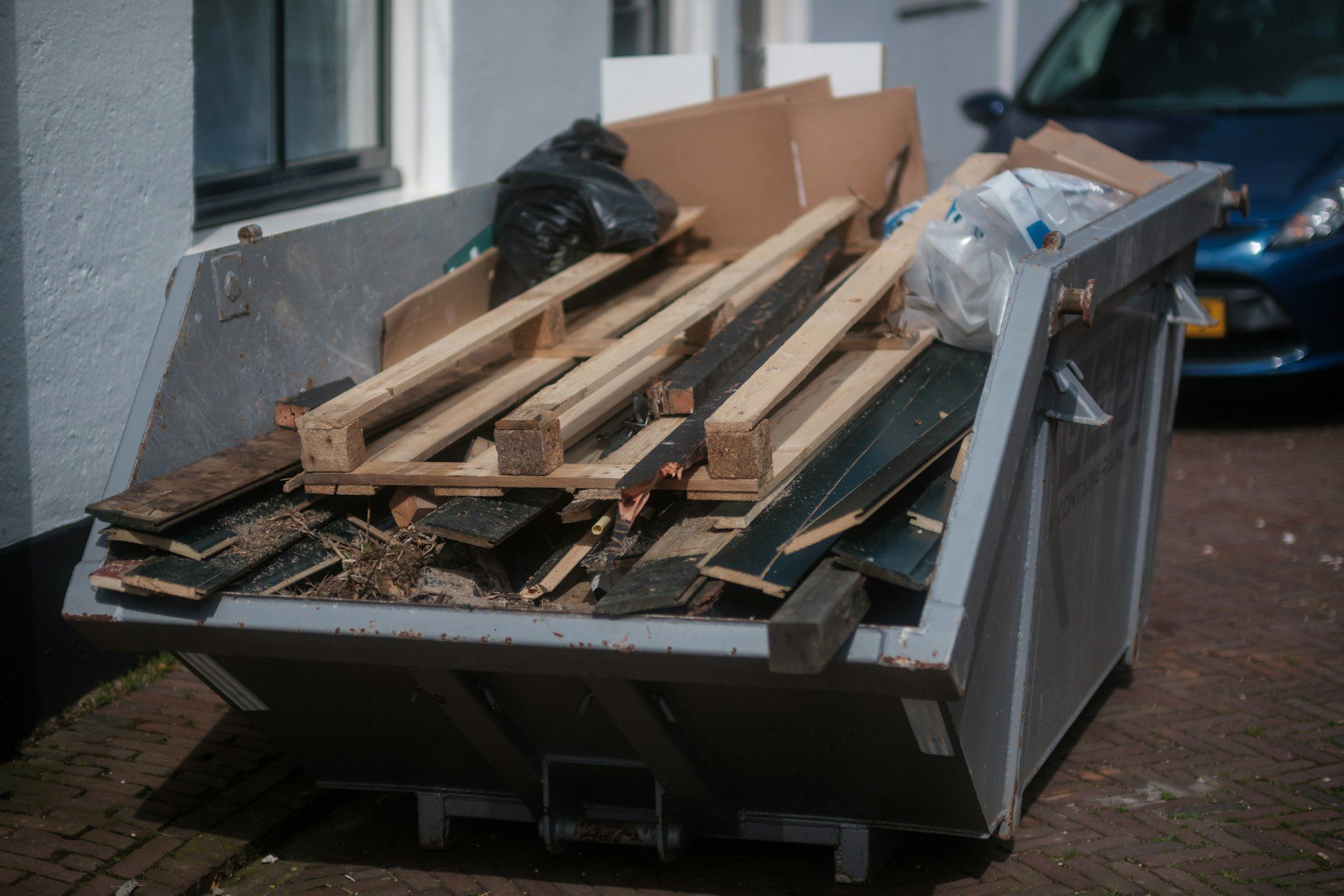
Loft conversions look straightforward on paper – a defined space, a clear scope, a fixed timeline. In practice, the waste side of the job has a habit of catching homeowners off guard. Old roof structure, accumulated decades of stored items, insulation that needs specialist handling and packaging from new materials all arrive in volume and in quick succession. Without a clear plan for where it all goes and when, a loft conversion that starts well can slow to a crawl by the second week.
Whether you’re tackling a simple roof light conversion or a full dormer project, arranging local skip hire in Northwood before the scaffolding goes up is one of the most practical decisions a homeowner or contractor can make. This guide walks through what to expect at each phase of a loft conversion, how to match skip hire to your build schedule and what to watch for when older properties are involved.
Why loft conversions generate more waste than most people plan for
The assumption most homeowners make is that a loft conversion is a contained, relatively tidy job. In practice, it rarely works out that way. Before any new structure goes in, the existing roof space needs to be cleared – and that means old insulation, accumulated decades of stored items, dust, debris and whatever the previous owners left behind. Then comes the structural work: rafters cut back or removed, ridge beams installed, new joists laid. Each phase produces a different type and volume of waste, and the total adds up faster than most people anticipate.
A hip-to-gable conversion in Northwood, for example, involves removing a significant section of the existing roof structure – tiles, battens, felt, timber – before the new gable wall and roof can be built. That structural timber and roofing waste alone can fill a medium-sized skip before the first fix has even started. Planning for that volume from the outset, rather than reacting to it mid-build, is what keeps the project on schedule.
Understanding your waste streams by build phase
Loft conversion waste doesn’t arrive all at once. It comes in distinct waves, each with its own characteristics, and matching skip hire to those phases is the key to efficient site clearance throughout the project.
Phase 1: demolition and structural work
This is the most waste-intensive phase of any loft conversion. Old roof tiles, timber battens, roofing felt, insulation and structural timber all need to go – and they need to go quickly, because the structural work can’t progress while debris is piling up in the loft space or being carried down through the house.
Heavy structural timber and roofing materials are bulky but not particularly dense, which means they fill a skip faster than their weight suggests. For this phase, a 12yd or 16yd skip is usually the right starting point, depending on the scope of the conversion. If the project involves significant groundwork alongside the loft work – a new foundation for a structural column, for example – grab hire may be a more practical option for the heavy inert materials, leaving the skip free for lighter roofing and timber waste.
Phase 2: first fix and insulation
Once the structure is in place, the waste profile changes. Insulation offcuts, new timber from studwork and floor joists, vapour barrier offcuts and the packaging from structural materials dominate this phase. The volumes are lower than phase one, but the waste is bulkier and takes up more skip space than its weight implies.
This is the phase where monitoring fill levels matters most. A skip that’s three-quarters full at the start of the first fix phase may reach capacity before the insulation work is complete – which means either overfilling (a refused collection risk) or an unplanned second delivery. Scheduling a mid-project collection or swap at the transition between phase one and phase two prevents that problem before it develops.
Phase 3: second fix and finishing
The finishing phase produces smaller volumes of mixed waste: plasterboard offcuts, tile adhesive packaging, electrical and plumbing offcuts, general site debris and the packaging from fixtures and fittings. One well-timed collection at the end of this phase usually handles it comfortably – though if the loft conversion has been combined with wider renovation work elsewhere in the property, the volumes can be higher than expected.
Choosing the right skip size for your loft conversion
Getting the size right from the outset saves money and avoids the disruption of emergency collections mid-build. B&K Environmental Services Ltd offers three standard skip sizes for residential projects, each suited to a different scale of work.
The 8yd skip is the smallest option and works well for very contained loft projects – a simple roof light conversion with minimal structural work, for example, where the waste stream is predictable and limited. On Northwood properties where driveway space is tight or street access is restricted, the smaller footprint of an 8yd skip can be a practical advantage.
For most loft conversions, the 12yd skip is the sensible default. It handles the structural phase comfortably on a standard dormer or hip-to-gable project and provides enough buffer for the unexpected – and the unexpected is almost guaranteed on any loft job. Old wiring that needs to come out, hidden water tanks, additional insulation that wasn’t visible during the survey. The 12 yd absorbs those surprises without requiring an unplanned delivery.
The 16yd skip suits larger or more complex conversions, or projects where the loft work is being carried out alongside other renovation works in the property. Fewer collections mean less disruption to the build and lower overall logistics costs. For very large or long-running projects, B&K also offers roll-on/roll-off containers in 20yd and 40yd sizes.
Access, permits and placement in Northwood
Northwood is predominantly residential, with a mix of detached and semi-detached properties, many with generous driveways. That’s an advantage for skip placement – off-street positioning avoids the need for a highway permit in most cases and keeps the skip out of the road entirely.
Where driveway placement isn’t possible, or where the skip needs to extend onto the pavement or carriageway, a permit from Hillingdon Council’s highways department is required. Allow at least five to seven working days for processing and confirm any requirements for reflective markers or overnight lighting before delivery. B&K can advise on whether a permit is needed for a specific address and can assist with the application – a straightforward step that prevents the far more disruptive scenario of a refused delivery on the morning the structural work is due to start.
Always protect driveways with timber boards, particularly on block paving or recently laid surfaces. And on streets where neighbours share limited parking, a brief note explaining delivery and collection dates is a small courtesy that prevents larger problems.
For properties where on-street placement would cause significant access issues, the wait & load service is worth considering. B&K’s vehicle arrives, waits while operatives load the waste and departs immediately – no permit required, no skip left on the street overnight.
Hazardous materials in older loft spaces – what to watch for
This is the section of the planning process that catches the most homeowners off guard. Many Northwood properties built before the 1980s contain materials in the loft space that cannot go into a standard skip and require specialist handling.
Asbestos is the most significant concern. It was commonly used in roof insulation, pipe lagging, ceiling coatings and certain board materials in properties of this era – and it’s not always immediately identifiable without professional assessment. If asbestos is suspected or discovered during the early stages of the conversion, work must stop in that area until a licensed assessment has been carried out. B&K offers a specialist asbestos removal service and can advise on the correct approach – do not attempt removal without professional guidance, and do not place any suspected asbestos material in a general skip under any circumstances.
Other materials to watch for in older loft spaces include old electrical wiring containing hazardous insulation materials, lead-based paint on older timber and certain types of old insulation that require separate disposal. If there’s any uncertainty about a specific material, contact B&K before loading – a brief call is considerably simpler than dealing with a refused collection or a compliance issue.
Duty of Care and waste transfer notes
Waste disposal carries legal obligations for everyone involved in a loft conversion – not just the contractor, but the homeowner commissioning the work.
The Duty of Care requires that waste is handled, transported and disposed of lawfully. In practice, this means using a licensed waste carrier and obtaining a waste transfer note for every collection. The note confirms the type and quantity of waste transferred and where it went. For homeowners, retaining these notes provides protection in the event of a dispute or council inquiry. For contractors, they’re a legal requirement that must be kept for a minimum of two years.
B&K is a licensed waste carrier, FORS Gold accredited and registered with the Environmental Agency. They provide waste transfer notes for all collections and can advise on maintaining the documentation needed for compliance. Choosing a compliant provider from the outset removes the administrative burden and ensures the paperwork is in order without having to chase it after the project is complete.
Working with your loft contractor on waste management
On a loft conversion with multiple trades working in sequence – structural engineers, carpenters, electricians, plasterers – waste management can become a shared problem that nobody actively owns. A brief conversation with the main contractor before work begins, covering what goes in the skip, what doesn’t and when collections are scheduled, prevents the most common on-site waste mistakes.
Agree on waste segregation from the start. Keeping structural timber separate from insulation and both separate from general packaging improves recycling rates and can reduce disposal costs. Brief all trades on banned items and keep the skip provider’s contact number visible on site.
For longer loft projects, consider a rolling arrangement with B&K – scheduled swaps at agreed intervals that remove the need to monitor fill levels and chase collections mid-build. It’s one less thing to manage when the project is already demanding enough.