


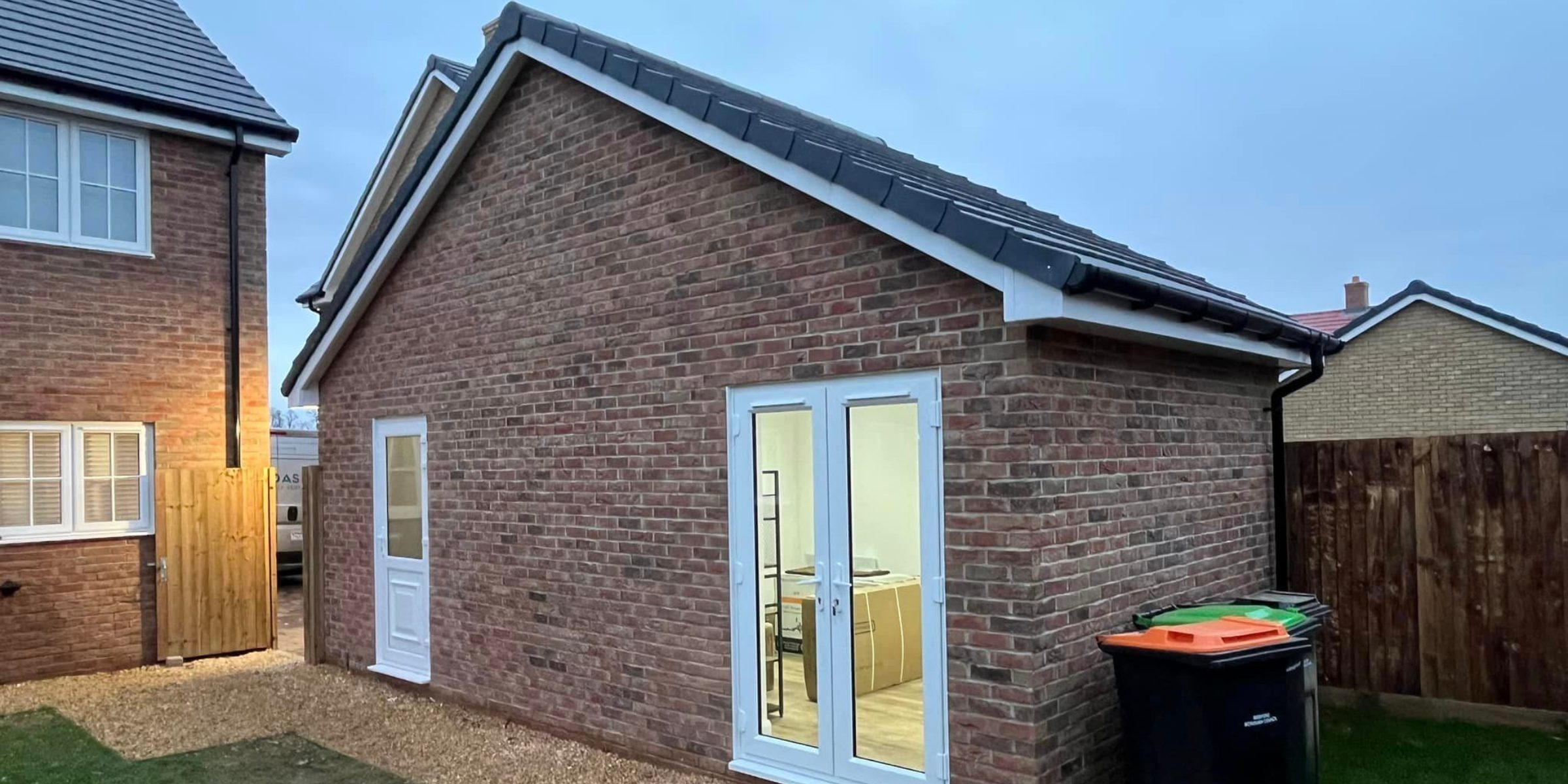
The combination of sliding house prices and elevated mortgage rates is reshaping how UK families think about their housing options, with a notable shift towards improving what they already have rather than uprooting and moving on.
According to figures from Rightmove, November saw asking prices fall at their fastest rate in over a decade. The average asking price contracted by 1.8% within the space of a month, whilst more than one in three sellers have been forced to lower their expectations on price.
With the property market offering little encouragement, homeowners are increasingly exploring ways to make their current homes more suitable for their needs, and garage conversions have become one of the most straightforward options available.
Garage conversion specialist Pro Assist Property Services has recorded a significant uptick in demand from homeowners looking to bring unused garage space back into productive use.
“Most people don’t even use their garages for parking anymore,” said Asa Herbert of Pro Assist Property Services. “Now, that space is being turned into something useful, a home office, a gym, or an extra bedroom.”
According to Pro Assist, conversions can begin from as little as £10,000 and are typically completed within two weeks.
The firm points out that a quality conversion can increase a property’s value by up to 10%, with the greatest gains seen in areas where parking is less of a selling point. The groundswell of interest in this type of work began during the pandemic, driven largely by the need for home working space, though what people are asking for has changed considerably heading into 2025.
“Now, people want extra bedrooms, annexes, or a quiet space for relatives,” said Herbert. “A garage conversion is one of the easiest ways to get that room without moving, and in most cases, you don’t even need planning permission.”
Specialists are nonetheless keen to stress the importance of doing the work properly. Garages were originally built for vehicles, not people, and homes that skip the basics on insulation and ventilation often pay for it later with damp and cold. “A proper survey and professional contractor make all the difference,” Herbert added.

