


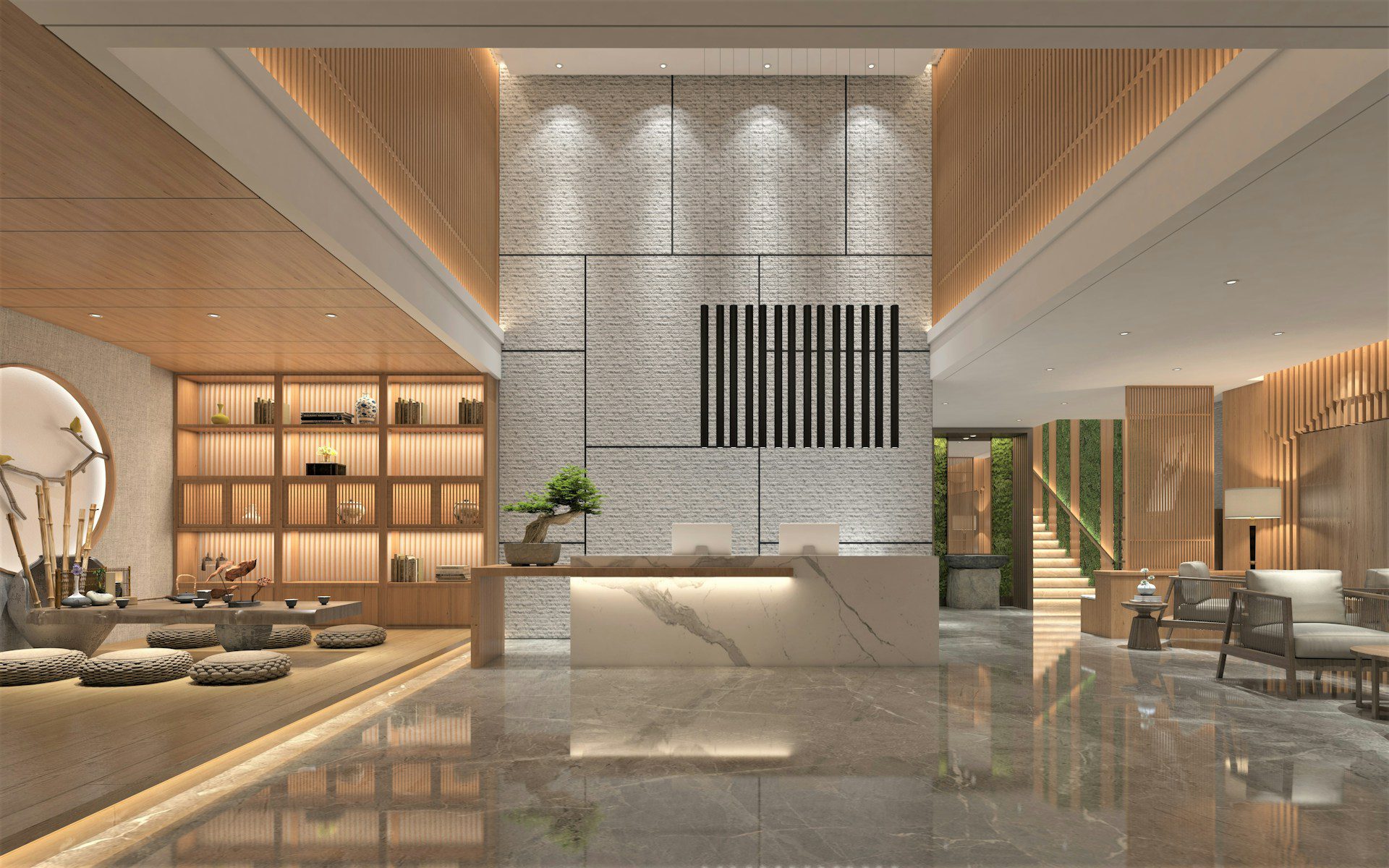
People usually notice a space from the outside first. They take in the lighting, the furniture, the materials, the mood, the way everything sits together. If the place feels polished, most of the credit goes to design. That makes sense, but only up to a point. A space can look beautiful and still feel badly run within five minutes. A delay at reception, a missed handoff, staff trying to find each other across the room, a problem that should have been handled quietly but somehow becomes visible to everyone – those things change the atmosphere fast. Good-looking spaces do not stay good-looking for long if the people running them cannot communicate properly.
The smoothest places usually have a lot going on in the background
A space that feels easy from the visitor’s side is often being held together by dozens of small decisions in the background. Someone needs to know when a guest has arrived. Someone else needs an update from the entrance. A delivery turns up at the wrong moment. Security needs a quick check. A technician is needed in one area while the front-of-house team is handling something somewhere else. None of this is unusual. It is just daily reality in places where people are moving through the space constantly.
In that kind of setting, communication has to be quick and quiet at the same time, which is where walkie talkie headsets make practical sense. The point is not to add more equipment for the sake of it. The point is to help people stay connected without turning every small update into a public interruption. PMC Telecom handles that category in a way that feels grounded in real use, with options for different radio brands, connector types, and wearing styles depending on where and how the headset will actually be used.
Bad coordination is easier to notice than people think
They just make a place feel slightly off. Staff keep stepping away to find each other. Messages get repeated. One person misses an update and the same issue gets handled twice. A small delay at the wrong time makes everyone look less prepared than they really are. Visitors may not know what is going wrong, but they can usually feel when a team is not moving in sync.
That matters even more in spaces where presentation counts. A design-led showroom, a hospitality setting, a smart residential development, or a carefully planned event can lose some of its polish very quickly when the working side becomes too visible. Good communication helps prevent that. It keeps the practical part of the job from spilling too far into the visible part. When people can pass on information quickly and clearly, the room stays calmer and the staff look more composed.
The best choice depends on the setting, not the product photo
This is usually where buying gets more real. A headset that works perfectly in one environment can be annoying or useless in another. A quiet reception desk does not need the same setup as a loud event floor. A site team working around machinery needs something very different from a person greeting guests or managing a front desk. The right fit comes down to noise, movement, comfort, and how long the headset will actually stay on during the day.
PMC Telecom is useful here because it does not treat the category like one single product type. Its range covers different brands and working styles, including lower-profile earpieces for quieter settings and more protective options for noisier ones. That makes the whole thing feel more practical. It is less about selling a generic headset and more about helping buyers match the equipment to the job.
Good spaces need good systems, even when nobody sees them
There is a habit of treating design and operations as though they belong in separate conversations. In reality, they are tied together all the time. A well-designed space works better when the people inside it can respond quickly, stay aligned, and solve problems without creating extra noise or visual disruption. Communication tools are part of that. They may sit in the background, but they help protect the atmosphere the visible design is trying to create.
That is also why this subject works for PAD Magazine. The site is not just about how things look in a photograph. It is about spaces, products, planning, and the way environments are put together in real life. Once a place opens its doors, it has to function. It has to hold up under pressure. It has to feel smooth even when a lot is happening behind the scenes. The equipment supporting that work may not be the glamorous part of the story, but it is often part of the reason the story works.
The best tools are the ones people do not think about twice
That is probably the simplest way to judge whether this kind of equipment is doing its job. When it works well, nobody talks about it. The team stays connected. Problems get handled faster. The room feels steadier. Visitors get a better experience without ever knowing what helped create it. That is usually the mark of a good working system. It supports the space without competing with it.
In busy places where timing, presentation, and coordination all matter, that kind of quiet support is worth more than it first seems. Some tools are there to be seen. Others are there to keep everything else from slipping. These belong in the second group, and in the right setting, that matters a great deal more than people think.