


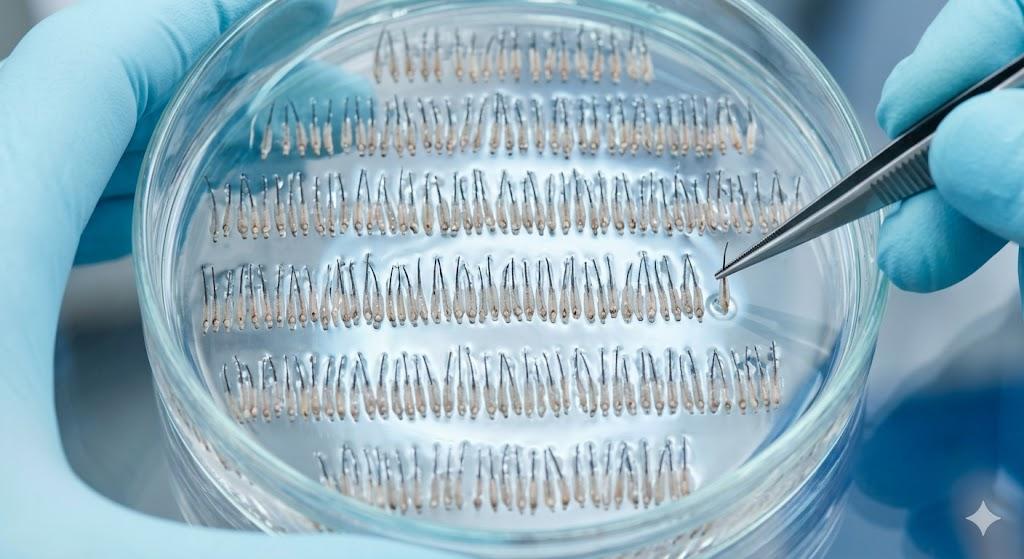
The medical community recognizes the effectiveness of these procedures in restoring density to the frontal hairline and the vertex. Surgical teams utilize advanced micro tools to perform the permanent relocation of healthy follicles to thinning areas. Successful outcomes depend on the biological vitality of the grafts and the technical skill of the operating surgeons.
How Do Surgeons Determine Suitability for 3000 Grafts?
A 3000 Graft Hair Transplant typically targets patients falling within the third or fourth stages of the Norwood Scale. These individuals often experience a visible recession of the hairline combined with thinning at the top of the scalp. Medical professionals evaluate the donor area at the back of the head to confirm sufficient follicle availability. A healthy donor zone must provide high quality units without causing visible depletion in the permanent hair region.
Biological factors such as hair shaft diameter and the number of hairs per follicular unit influence the final visual density. Patients with thicker hair shafts often achieve better coverage with the same number of grafts compared to those with fine hair. Specialists use magnified imaging tools to assess these variables during the initial diagnostic phase. This objective data allows the surgical team to set realistic expectations regarding the final aesthetic result.
Blood circulation within the recipient area also plays a critical role in graft survival. The scalp must possess a healthy vascular network to nourish the newly implanted follicles immediately after the session. Surgeons often recommend stabilizing active hair loss through medical therapies before proceeding with a large scale operation. This strategic approach prevents the need for further corrective procedures as the native hair continues to age.
How Much Does a Large Scale Hair Transplant Cost?
Analyzing Hair Transplant Costs requires an evaluation of the technology and labor involved in the process. Most reputable facilities move away from flat rate pricing in favor of transparent, graft based calculations. This model ensures that patients only pay for the specific number of follicles required for their unique scalp topography. Higher graft counts naturally require longer surgical sessions and more intensive medical staffing.
The total investment typically covers several distinct phases of the clinical process. This includes the initial diagnostic consultations, the surgical procedure itself, and the necessary post operative medications. Many patients find that inclusive packages provide better financial clarity by eliminating hidden fees for follow up appointments. International standards for medical facilities also influence the pricing structure across different European regions.
Regional economic factors and the level of specialization of the surgical team contribute to the final price point. Facilities operating within high regulation zones like the Netherlands often reflect the costs of maintaining strict safety protocols. Patients prioritize clinical expertise and proven success rates over the lowest possible price to avoid complications. A detailed cost breakdown helps individuals plan their restorative journey with full financial confidence.
Managing the Donor Area and Graft Survival Rates
The donor area at the back of the head contains follicles that are genetically resistant to the hormones causing pattern thinning. Surgeons extract these units individually to prevent the formation of linear scars. This extraction process requires a high level of patience and technical precision. The goal is to harvest the required number of units while leaving the donor site looking completely natural.
Once the follicles stay outside the body, they become highly sensitive to temperature and dehydration. Medical staff store the grafts in specialized chilled solutions to maintain their cellular integrity. High quality clinics utilize microscopic sorting stations to organize the follicles by hair count before implantation. The survival of these grafts determines the final success of the entire surgical intervention.
Patients must meet specific health criteria before undergoing a long surgical session. A thorough review of medical history and current medications prevents potential complications during the procedure. The surgical team evaluates the following prerequisites during the planning phase:
- Total density of the donor area across the occipital region.
- Elasticity of the scalp skin in the recipient zones.
- Stability of the current hair shedding pattern over the last six months.
- Absence of active scalp infections or chronic inflammatory conditions.
Why Do British Patients Travel to Delft for Surgery?
Many residents of the United Kingdom look toward the European mainland to access specialized surgical expertise. The Netherlands maintains rigorous healthcare standards and strict clinical oversight for all outpatient procedures. The city of Delft has emerged as a primary hub for advanced microsurgical hair restoration. This region offers a combination of highly trained medical teams and modern surgical facilities.
A coordinated care model allows patients to bridge the gap between UK based assessments and Dutch surgical excellence. Individuals often complete their initial diagnostic planning and blood work within the United Kingdom. This ensures that the medical team has all necessary data before the patient travels for the actual operation. The primary surgical facility known as Hairtec operates in Delft to provide a controlled medical environment for advanced procedures.
The integration of Dutch medical protocols and British patient support creates a reliable international pathway. Hairtec provides a structured experience that focuses on patient safety and technical precision. British individuals benefit from the high standards of the Dutch medical board while retaining local follow up options. This model provides a high tier Hair Transplant experience without the logistical uncertainty of traditional medical tourism.
Comparing Clinical Outcomes Across Graft Counts
Large sessions involving three thousand grafts require an extended period of time in the operating room. Medical teams typically work in shifts to maintain a high level of focus during the extraction and implantation phases. Local anesthesia ensures that the patient remains comfortable and awake throughout the entire process. The use of specialized micro tools allows for the placement of grafts with minimal trauma to the surrounding skin.
The following table compares the typical outcomes for various graft counts in modern clinical practice.
| Graft Range | Primary Objective | Typical Norwood Stage |
| 1000 to 1500 | Hairline refinement and temple restoration | Stage 2 to 3 |
| 2000 to 2500 | Frontal ridge density and mid scalp coverage | Stage 3 to 4 |
| 3000 to 3500 | Significant frontal and crown restoration | Stage 4 to 5 |
Achieving a unified and natural look is the primary goal of this long term restorative process. Surgeons prioritize the balance between the new density and the existing native hair. This careful distribution creates a natural aesthetic under different lighting conditions. Regular communication between the patient and the surgical team supports a successful recovery.
How Should Patients Manage Their Recovery?
The first fourteen days following the surgery are the most critical for the permanent integration of the grafts. Patients must follow strict clinical guidelines to protect the delicate follicles while they establish a blood supply. The scalp requires gentle care to prevent the displacement of the newly implanted units. Minor redness and swelling are standard physiological responses that typically subside within the first week.
Daily washing protocols using specialized saline solutions keep the recipient area clean and hydrated. Patients avoid intense physical activity and direct sunlight to reduce the risk of localized inflammation. The transplanted hairs naturally shed within the first month as the follicles enter a temporary dormant phase. This is a normal part of the biological cycle and does not indicate a failure of the procedure.
Permanent growth begins to emerge around the fourth month and continues to thicken for up to a year. Regular follow up appointments coordinated by Hairtec allow the medical team to monitor the progress and address any concerns. The final result becomes fully visible between twelve and eighteen months after the surgical session. Proper aftercare ensures that the patient achieves the best possible result from their investment.
3000 Graft Hair Transplant FAQs
How long does a 3000 graft session take?
A procedure of this volume typically requires six to eight hours to complete in a specialized clinical setting. The total duration depends on the density of the donor area and the specific technical requirements of the patient.
When can I return to work after the operation?
Most individuals resume light office activities within five to seven days following the surgical session. Physical labor and heavy lifting should be avoided for at least two weeks to ensure graft safety.
Will there be visible scarring from the extraction?
Modern micro-surgical techniques leave no linear scars because follicles are removed individually from the donor site. The tiny extraction points heal quickly and become virtually invisible once the surrounding hair regrows.
Is a 3000 graft procedure enough for full coverage?
This number of grafts usually provides significant density for the frontal hairline and the vertex area. Advanced cases may require a secondary session depending on the total surface area and future thinning patterns.
Are the Dutch medical standards the same as in the UK?
Facilities in Delft operate under strict European Union healthcare protocols and national Dutch medical board audits. Patients receive a coordinated level of care that matches international clinical benchmarks for safety and precision.
When are the final visual results permanent?
Relocated follicles establish their permanent growth cycle within twelve months of the surgical intervention. The final visual density becomes fully apparent between one year and eighteen months post-operation.