


Households value energy efficiency more. Luxury and tech-heavy homes are no longer the only energy-efficient dwellings. By 2026, it implies a home that saves energy, meets everyday needs, and avoids waste. Homes should be pleasant, fit current habits, and not boost utility expenses.
This transition has also changed how individuals seek practical advice online, notably from heating, cooling, and renewable energy installers, such as GSM Ltd (gsmlimited.com). A costly installation or stylish improvement doesn’t define an energy-smart home. Insulation, ventilation, appliance use, lighting, and building conditions affect energy consumption.
A Purposeful Energy Home
Energy-efficient homes balance lifestyle and energy use. It doesn’t cool empty rooms, force equipment to adjust, or waste electricity via poor planning. It runs more evenly. Energy use and heat gain are reduced, and ventilation is improved.
This mindset is more relevant due to changing lifestyles. Many households now balance work, study, rest, and family duties. That makes efficiency more about comfort than theory. Planning and improving a home with real use in mind leads to more practical and effective energy decisions.
The Building Still Matters Most
Home design often begins with energy efficiency. People notice the building façade before complicated controls or branded systems. Walls, roofs, windows, shading, and insulation affect home energy needs. A house that leaks chilled air or accumulates too much heat is inefficient, even with upgraded appliances.
This trend is why more homeowners start simply. Gap sealing, insulation improvements, heat reduction, and moisture control have a longer-term impact than surface-level modifications. Though less noticeable, these changes affect performance daily. A naturally comfortable home reduces stress on its contents.
These upgrades help the home adapt to shifting weather. The need for regular adjustment decreases as rooms feel more even throughout the day. Stable performance can cut running costs and improve living conditions over time.
Intelligent Systems, Not More Devices
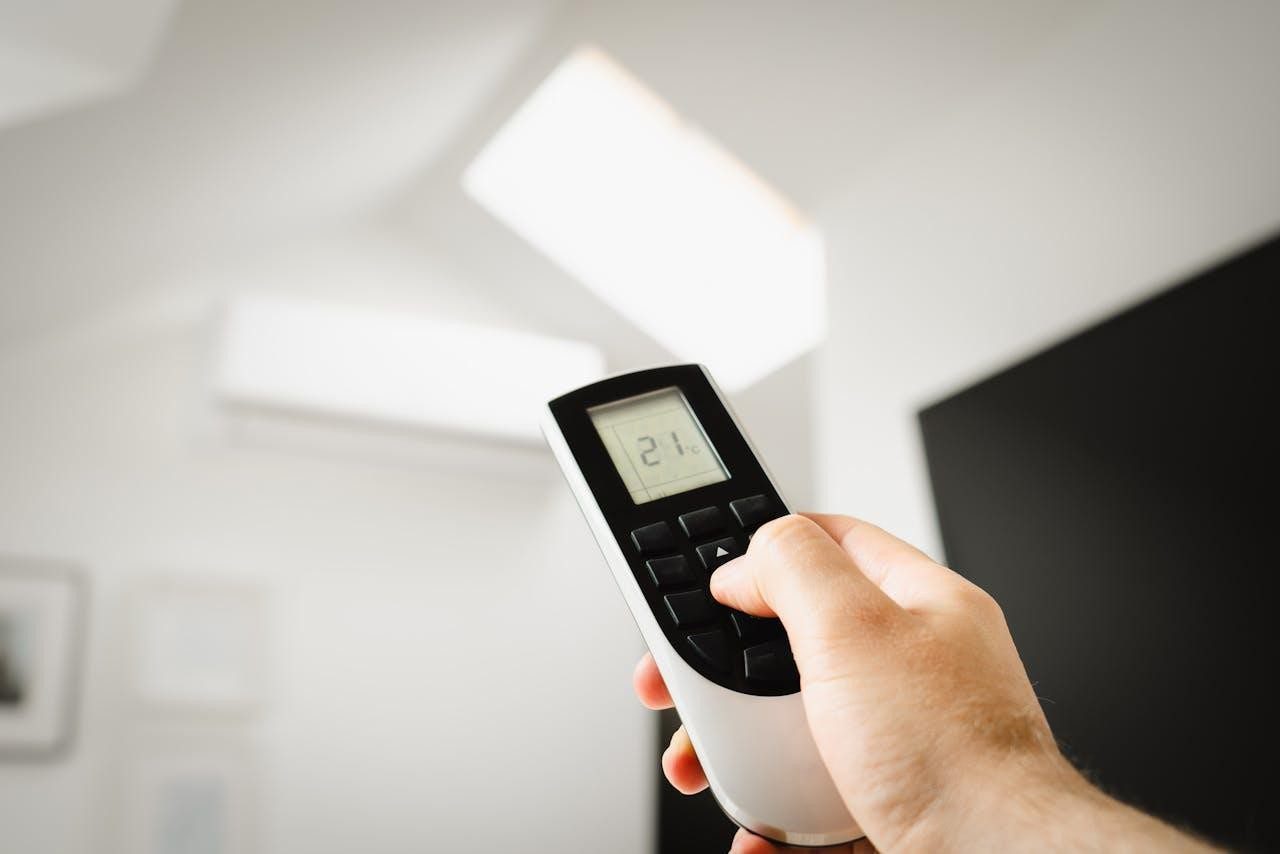
Choose solutions that fit the home rather than adding technologies for their own sake in 2026 to be energy-wise. Air conditioning, water heating, lighting, and appliances all help. How well the system reduces waste and supports household use matters.
People are becoming more picky about installing things. Good choices go beyond buying new. Knowing if it solves an actual problem. Some homes benefit from zoned cooling. Others benefit more from daylight or ventilation. Homes with efficient systems often operate quietly without excess.
Daily Habits Affect Results
Careless daily practices can waste energy in a well-designed home. Energy-smart homes depend on how people use them. Appliance efficiency, cooling management, natural light use, and maintenance affect performance. Small daily rituals can boost or diminish efficiency.
However, households need not bear the full cost of compensation. People shouldn’t always deal with a broken home. A home that naturally promotes healthy habits is better. Improving the area can make energy-smart conduct easier to maintain.
A Practical Standard for Modern Life
Complexity does not make a 2026 home energy savvy. It provides comfort, utility, and efficiency without waste. That usually comes from excellent building choices, proper systems, and daily use that matches how people live.
The most successful homes aren’t usually the most advanced on paper. They perform reliably, stay comfortable in changing situations, and help homes control costs without frequent adjustment. Thus, an energy-smart home works better.