


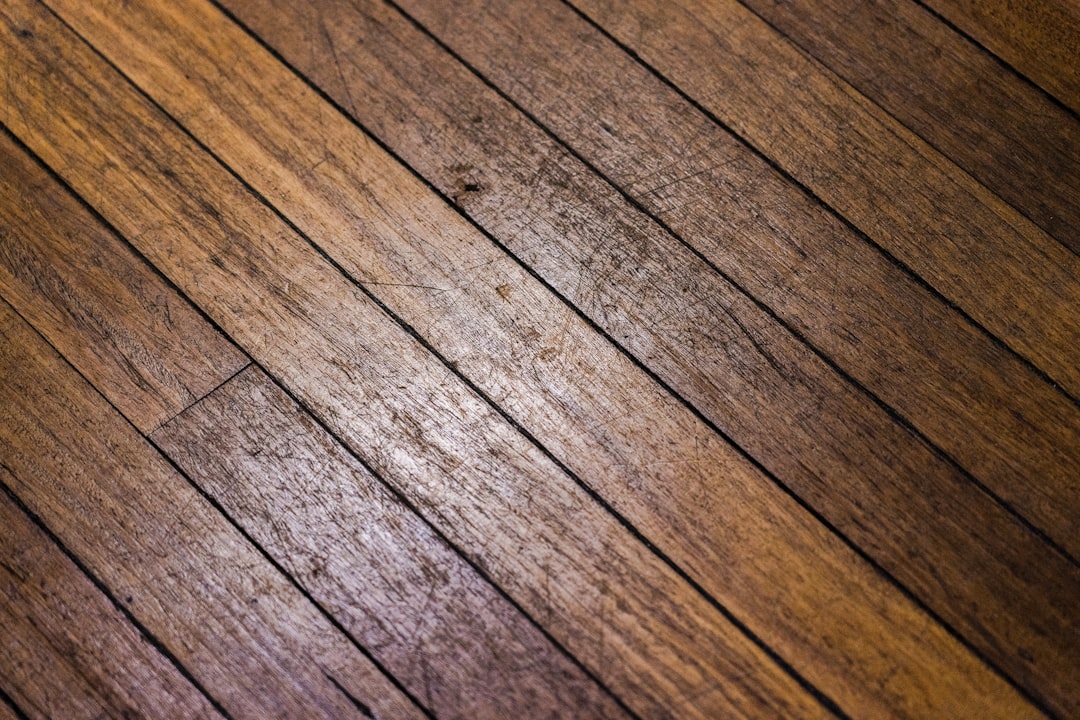
Hardwood floors do more than cover a room. They shape the mood, set the tone, and influence how every other design choice feels. The same sofa, wall color, and lighting can look completely different depending on the floor beneath them.
That is why choosing hardwood flooring should never come down to color alone. A floor may look beautiful on its own and still feel wrong once it sits next to your furniture, cabinets, rugs, and trim. Good design happens when all those parts work together.
The good news is that matching hardwood floors with your interior design style does not have to feel complicated. You do not need to memorize design rules or chase trends. You need to understand how wood tone, plank width, grain, finish, and pattern affect the look of a space.
Once you know that, the right choice becomes much clearer.
Start With the Feeling You Want the Room to Have
Before you compare samples, think about the overall feeling you want in the room. Do you want it to feel warm and relaxed? Clean and modern? Rich and formal? Airy and natural? The answer matters because hardwood floors carry a lot of visual weight.
Lighter floors usually feel open, calm, and casual. They brighten a room and help small spaces feel larger. Medium-tone floors often feel balanced and versatile. They work well in many homes because they add warmth without becoming too dark or too bold. Dark floors create more contrast and drama. They can look elegant and grounded, especially in rooms with good natural light.
This first step matters more than people realize. Many homeowners choose flooring by looking at small samples in isolation. Then they bring the floor into the house and wonder why the room feels colder, darker, busier, or more formal than expected.
The right floor should support the mood of your style, not fight against it.
Understand the Five Details That Change the Look of Hardwood Floors
Interior style does not depend on color alone. Five details shape the personality of a hardwood floor.
The first is tone. Wood can be warm, cool, golden, beige, honey, brown, taupe, or even slightly gray. Tone changes the emotional feel of the room more than most people expect.
The second is grain. Some floors have heavy movement and strong character. Others look cleaner and quieter. A busy grain adds energy and texture. A subtle grain feels more refined and calm.
The third is plank width. Wider planks usually feel more modern, open, and upscale. Narrower planks often feel more traditional and classic.
The fourth is finished. Matte and low-sheen finishes feel softer, more current, and more natural. Glossier floors reflect more light and often feel more formal.
The fifth is a pattern. Straight-laid planks feel simple and timeless. Herringbone and chevron patterns feel more decorative and design-forward.
Once you understand these five elements, it becomes easier to match a floor to the rest of the home.
Matching Hardwood Floors to Modern Interiors
Modern interiors usually look best with simplicity and restraint. Clean lines, open space, minimal clutter, and thoughtful contrast define this style. In these homes, hardwood floors should feel intentional but not overly busy.
Wide planks often work very well in modern spaces. They create a smoother visual flow and help the room feel less broken up. Floors with a lighter grain or a more uniform appearance also tend to suit this look better than highly varied boards with a lot of color movement.
For color, light to medium tones usually work best. Soft natural oak, warm beige-brown, muted taupe, and subtle mid-tone woods fit modern interiors beautifully. Very orange or heavily red floors can look dated in a modern setting. Extremely glossy finishes can also feel out of place.
A matte or low-luster finish usually gives modern interiors the cleanest result. It feels current, understated, and architectural. It also lets the furniture, artwork, and lighting stand out without too much visual competition from the floor.
If your home leans modern, think calm, wide, and natural.
Matching Hardwood Floors to Minimalist Spaces
Minimalist interiors need discipline. Every element matters more because there are fewer distractions. In this kind of home, the floor should feel quiet and confident.
Lighter hardwood floors often pair beautifully with minimalist design because they make a space feel open and uncluttered. Pale oak, soft blond tones, and neutral natural woods work especially well. These shades help walls and furniture feel light rather than heavy.
The grain should stay subtle. A floor with too much knotting, color variation, or rustic texture can interrupt the calm look that minimalism depends on. This does not mean the floor must feel flat or lifeless. It just means the texture should look controlled.
Minimalist homes also benefit from consistency. If the flooring runs through several connected rooms, the house feels more seamless and peaceful. That uninterrupted visual flow supports the whole point of minimalist design.
Matching Hardwood Floors to Traditional Interiors
Traditional interiors usually feel richer, more layered, and more formal than modern ones. Crown molding, detailed millwork, classic furniture shapes, and symmetry often define this style. Hardwood floors in these spaces should bring warmth and depth.
Medium to darker wood tones often work well in traditional homes. Walnut-brown, deeper oak tones, and classic rich stains can all suit this look. Narrower planks or standard-width boards also tend to feel more at home in traditional interiors than extra-wide modern planks.
A bit more grain movement usually works here too. Traditional design does not need everything to feel sleek and simplified. It can handle more texture and variation, as long as the overall effect still feels polished.
That said, traditional does not have to mean dark and heavy. A medium-toned hardwood floor with a classic grain can feel elegant without making the room feel old-fashioned. The goal is warmth and permanence, not stiffness.
Matching Hardwood Floors to Farmhouse and Rustic Design
Farmhouse and rustic interiors call for warmth, texture, and comfort. These homes should feel lived in, inviting, and natural. Hardwood floors play a major role in creating that feeling.
Floors with visible grain, knots, and natural variation usually work well here. They add character and keep the room from feeling too perfect. Warmer tones also fit the farmhouse look better than cold gray shades. Honey, soft brown, weathered oak, and warm natural finishes tend to feel right at home.
Wider planks often strengthen this style because they feel substantial and relaxed. Matte finishes also help. A glossy floor can feel too polished for a room that should feel easy and grounded.
Rustic and farmhouse interiors can handle more personality in the floor. In fact, that personality often makes the space better. The wood should look like it belongs in a real home, not a showroom.
Matching Hardwood Floors to Scandinavian and Light Natural Interiors
Scandinavian design focuses on brightness, simplicity, and comfort. It feels clean, but not cold. It feels minimal, but still warm and livable. Hardwood floors in these interiors usually lean light and natural.
Blond woods, pale oak tones, and soft matte finishes work especially well. These floors help bounce light around the room and create the airy feeling that Scandinavian design depends on. Strong red undertones or very dark stains usually fight against that look.
This style also benefits from restraint in grain and finish. The floor should feel honest and organic, but not visually loud. The best options usually look natural rather than heavily stained or artificially toned.
If your home includes white walls, simple furniture, soft textiles, and natural textures like linen or wool, light hardwood floors often tie everything together beautifully.
Matching Hardwood Floors to Coastal Interiors
Coastal interiors should feel open, breezy, and relaxed. That does not mean they need to look beach-themed or overly decorated. The best coastal spaces feel effortless.
Light to medium wood tones usually work best here. Sand-inspired shades, soft oak, and washed natural tones create that easy, sunlit look without trying too hard. Very dark hardwood floors can feel too formal or heavy for a coastal room unless the rest of the design is carefully balanced.
A matte finish usually feels more natural in this style. It gives the floor a softer look and supports the casual elegance that coastal interiors often aim for.
If the room already includes light upholstery, woven textures, pale walls, and lots of natural light, a warm light hardwood floor can make the whole space feel fresh and settled.
Matching Hardwood Floors to Industrial and Urban Interiors
Industrial interiors often mix raw and refined elements. Think metal, concrete, exposed materials, leather, darker accents, and strong architectural lines. Hardwood floors in these homes should add warmth without weakening the edge of the design.
Medium to darker floors often work well, especially those with a natural matte finish and visible grain. Cooler browns, smoked tones, and muted finishes can look especially strong in urban interiors. The floor should feel grounded and substantial.
Wider planks usually suit industrial spaces better than narrow boards because they feel bolder and more architectural. A floor with too much gloss can look out of place next to brick, steel, or matte black finishes.
Industrial design needs balance. Since the room may already include hard surfaces, the wood floor often acts as the element that brings warmth and keeps the space from feeling harsh.
Matching Hardwood Floors to Transitional Interiors
Transitional design sits between traditional and modern. It blends comfort with clean lines and classic elements with a fresh finish. Because this style mixes influences, the floor needs to feel balanced.
This is where medium-tone hardwood often shines. It gives enough warmth for traditional furniture pieces, but still feels clean enough for updated finishes and modern lighting. Floors that are too rustic may feel casual for a polished transitional home. Floors that are too sleek may feel cold.
A natural oak look, moderate grain, and matte finish often work especially well in this style. The floor should feel timeless. It should not pull too far in one direction.
When done well, transitional design feels effortless. The right hardwood floor helps connect old and new without making either one feel out of place.
Do Not Ignore the Rest of the Wood in the Room
One of the biggest mistakes people make is trying to match every wood surface exactly. Floors, furniture, cabinets, and trim do not need to be identical. In fact, exact matching often looks less natural.
What matters more is harmony. The undertones should work together. The contrast should feel intentional. A room can absolutely include different wood tones, but they should not clash.
For example, a warm natural oak floor can work beautifully with darker walnut furniture if both feel rich and grounded. A pale floor can also support medium wood pieces if the room has enough repetition and balance. Problems usually happen when one wood surface looks strongly orange, another looks pink, and another looks gray. That kind of mix feels disconnected.
Instead of asking whether woods match, ask whether they belong together.
Always Test Flooring in Real Light
A showroom sample can mislead you. Lighting changes everything. Natural sunlight, warm indoor bulbs, shadows, and the size of the room all affect how hardwood flooring looks.
That is why samples should always be tested inside the actual space. Place them near the walls, next to upholstery, beside cabinets, and in both bright and shaded areas. Look at them in the morning, afternoon, and evening.
A floor that looks soft and neutral in one setting may look yellow, pink, flat, or much darker in another. This step can save you from an expensive mistake.
Good design decisions rarely happen from memory. They happen from seeing materials together in real life.
Choose a Floor That Fits the Whole Home, Not Just One Room
A floor may look perfect in a single room and still feel wrong for the house as a whole. This happens often in open-concept homes or homes where multiple areas connect visually.
If several rooms flow into each other, the flooring should support that flow. A dramatic shift in tone or style can make the house feel disjointed. That does not mean every room must look the same, but the foundation should feel consistent.
This matters even more if you want a timeless result. Trendy flooring choices can feel exciting at first, but if they fight against the overall character of the house, they usually age faster.
The best hardwood floor often feels like it belonged there all along.
Final Thoughts
Matching hardwood floors with your interior design style is really about reading the room honestly. Look at your furniture, your light, your walls, your trim, and the mood you want to create. Then choose a floor that supports that vision.
Modern spaces usually do best with cleaner, wider, more understated floors. Traditional homes often welcome richer tones and classic proportions. Farmhouse and rustic interiors benefit from warmth and visible character. Scandinavian and coastal spaces usually feel best with lighter natural wood. Transitional homes need balance above all.
The right hardwood floor does not beg for attention. It gives the entire room a stronger sense of direction. It makes everything else look more intentional.
When that happens, the space feels complete.
Article by: https://flooringtitan.com/