

Close Menu
PAD MagazinePAD Magazine
    Pages
    • About PAD Magazine
    • Advertise
    • Contact
    • Contribute Property and Home Improvement related content
    • Newsletter Advertising
    • Pad Team
    • Property & Development Magazine
    • Subscribe
    • UK Property and Development News
    Facebook X (Twitter) Instagram
    • Contribute
    • About PAD Magazine
    • Pad Team
    X (Twitter) RSS
    PAD MagazinePAD Magazine
    • Home
    • New Builds
      • Sales & Marketing
      • Regeneration
      • Planning & Design
      • Sustainable Construction
    • Luxury Living
      • Interior Design
      • Lifestyle
      • Property Renovation & Refurbishment
      • Garden & Lanscaping
      • Home Decor
    • News
      • Software
      • Energy & Utilities
      • Affordable Housing
      • Environment
      • Plant & Machinery
      • Products & Materials
      • Infrastructure & Energy
    • About
      • Pad Team
      • Contribute Property and Home Improvement related content
    • Contact
    Subscribe
    PAD MagazinePAD Magazine
    You are at:Home The Danger of Poor Fire Compartmentation In Buildings
    Health and safety

    The Danger of Poor Fire Compartmentation In Buildings

    Karen ContrinoBy Karen Contrino07/07/2025Updated:25/03/2026No Comments6 Mins Read76 Views
    Facebook Twitter Pinterest Telegram LinkedIn Tumblr Email Reddit
    pexels jakubzerdzicki 28281244
    pexels jakubzerdzicki 28281244
    Share
    Facebook Twitter LinkedIn Pinterest WhatsApp Email

    Fire spreads fast. When buildings aren’t built to slow it down, the results can be deadly. That’s where fire compartmentation comes in. It’s not flashy. Most people won’t notice it. But when it fails, the damage shows.

    This blog looks at how fire compartmentation works, what happens when it doesn’t, and how to spot problems before it’s too late.

    What Is Fire Compartmentation?

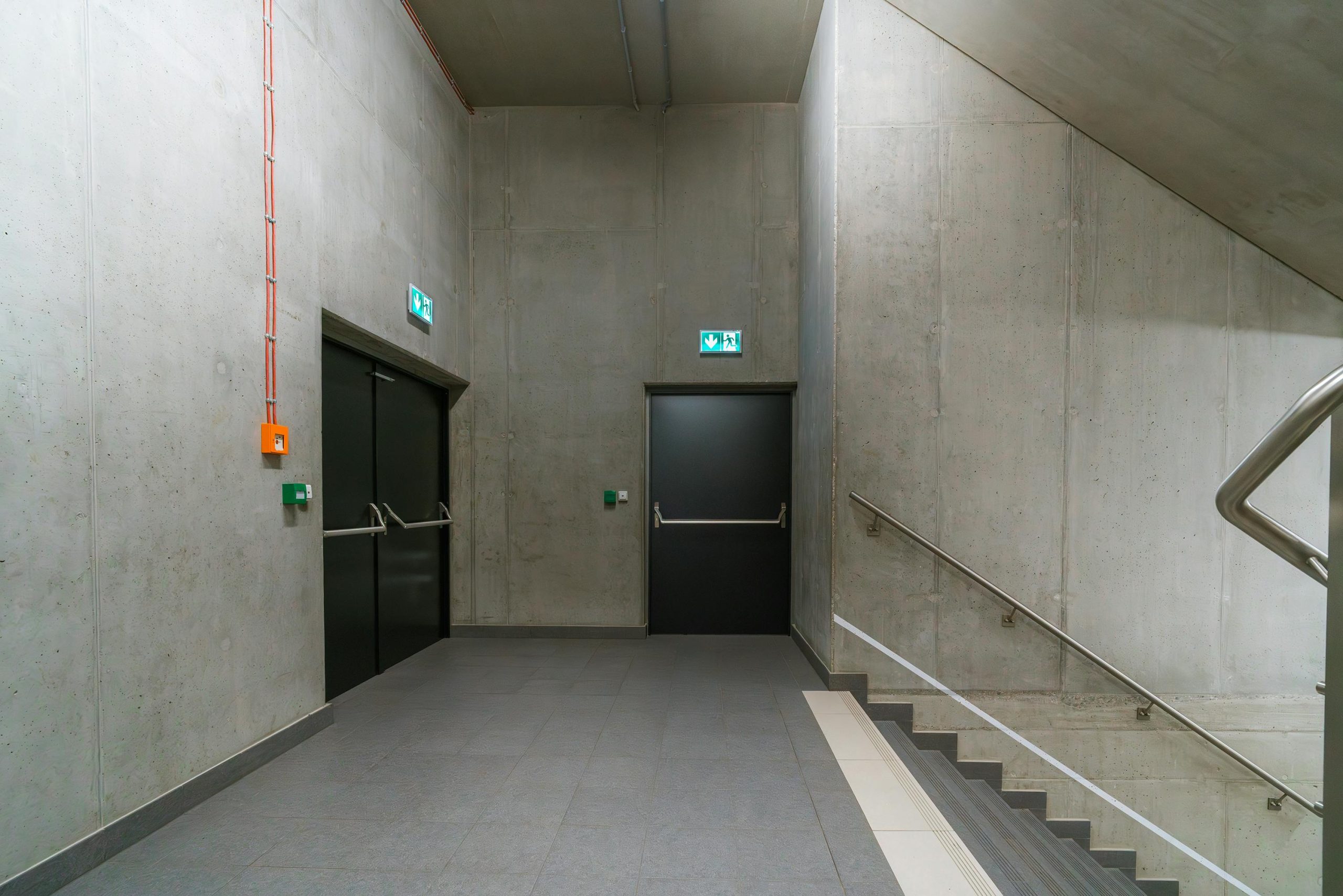
    Fire compartmentation is about stopping fire and smoke from moving freely through a building. Walls, floors and ceilings act as barriers. These create compartments that trap fire in one space for a limited time. That gives people more time to escape. It also helps firefighters take control.

    The idea sounds simple. But for it to work, every part has to hold up under pressure. Even a small gap can make the system fail.

    Fire compartmentation is often compromised not through design, but through later alterations to interiors,” note the team at Avent Interiors. “Penetrations for services, changes to layouts and poorly sealed voids can all undermine a building’s passive fire strategy. Ongoing oversight during refurbishment works is critical to maintaining compliance and occupant safety.”

    How Compartments Control Fire Spread

    Compartments rely on fire-resistant materials. Walls should be sealed. Floors need protection. Ceilings must hold back smoke. Every barrier has a rating. This tells how long it can resist fire. Some last 30 minutes. Others hold for an hour or more.

    If one part breaks down, the fire can breach the barrier. That’s how a small fire turns into a full-blown disaster.

    Key Legal Standards in the UK

    UK building laws require fire safety to be built into the design. The main rules come from the Building Regulations 2010. The Fire Safety Order 2005 also applies. Together, they cover what materials to use, how to install them, and how to maintain them.

    See also  Festive Sneezes Explained as Pharmacist Warns of Christmas Tree Allergies

    Any work on a building must follow these rules. If not, the building may not be safe for use.

    Why Poor Compartmentation Puts Lives at Risk

    When barriers fail, smoke and fire spread quicker. That means more damage, less time to escape, and more risk to life.

    One example stands out.

    Case Study: Grenfell Tower

    Grenfell was a tragedy. The fire spread faster than it should have. One reason was poor fire compartmentation. Gaps in the walls. Faulty fire doors. Cladding that made it worse. The building couldn’t contain the fire.

    People died because systems meant to stop fire didn’t work.

    How Fire & Smoke Spread Without Barriers

    Fire looks for weak spots. Gaps around pipes. Cracks in walls. Open voids above ceilings. Smoke flows through them easily. So does heat. In minutes, a single fire can move across floors.

    Once it gets in, it’s hard to stop.

    Warning Signs of Poor Compartmentation

    Buildings give clues. Some are easy to miss. Others are right in front of you.

    Gaps Around Pipes and Cables

    Service voids are a big risk. When people run cables or pipes through walls, they leave holes. If not sealed, fire slips through.

    Damaged Fire Doors or Frames

    Doors slow fire down. If they’re cracked, warped or won’t close fully, they can’t do their job.

    Missing or Incorrect Fire-Stopping Materials

    Some walls have filler. Others just have foam. If it’s not the right kind, it melts in fire. Fire stopping training teaches workers what to use and how to fit it properly.

    See also  P50 Fire Extinguishers & CO Detectors: Essential Home Safety Guide

    Common Failures in Compartmentation

    Not every fault is obvious. Some hide behind walls or above ceilings. Others happen during refurb work. Here are the most common ones.

    1. Breached Service Voids

    Contractors run pipes or wires through walls. If they skip fire sealing, the barrier is gone. Fire gets a free pass.

    2. Unsealed Joints and Gaps

    Small gaps add up. Around windows. Between walls and floors. A line of exposed plasterboard. All can let fire in.

    3. Poor Maintenance of Fire Doors

    Doors get slammed. Hinges wear out. Gaps appear under the door. Smoke brushes straight through.

    4. Incomplete Installation During Refurbishment

    Quick fixes leave behind hidden dangers. Rushed jobs don’t restore compartmentation properly. Panels are left loose. Fire collars are missing.

    5. Untrained Staff Making Building Changes

    Someone drills into a wall to mount a screen. Another cuts a ceiling panel for lighting. Small changes. Big risk. If they don’t know what they’re doing, they break the barrier.

    How to Keep Fire Compartmentation Working

    It’s not just about spotting the damage. It’s about building right. Fixing faults. Training people. Making fire safety part of the routine.

    Professional Fire Risk Assessments

    A full fire risk check finds weak spots. Assessors know where to look. They’ll check voids, ducts and hidden spaces. They look at fire doors. They check the seals. They don’t guess.

    Use of Certified Fire-Stopping Products

    Cheap foam won’t work. It melts. Spreads smoke. Fire stops need to be tested. Approved. Installed the right way. Every filler, wrap or collar must match the fire rating of the barrier.

    See also  PLENTIFIC EXPANDS FOOTPRINT IN SOCIAL RENTAL SECTOR WITH FIVE NEW CLIENTS

    Competent Installer Requirement

    Fire safety isn’t DIY. You need trained people. That’s where “Fire Stopping Training” comes in. It teaches the right method. Right tools. Right materials. Without that, you’re gambling with lives.

    The Role of Staff Awareness in Preventing Failures

    It’s not just about the builders. Office staff. Cleaners. Maintenance teams. Everyone plays a role.

    Spotting Damage Early

    Staff need to flag broken doors. Report visible gaps. Question dodgy fixes. If no one’s looking, small faults get worse.

    Getting the Basics Right

    Online health and safety training for employees helps. It gives people the basics. What to look for. What to avoid. It’s quick. It’s simple. But it makes a difference.

    Legal and Financial Fallout

    Break the rules and the cost hits hard. Fines stack up. Insurance may not pay out. Legal action follows. Most of all, someone gets hurt. That’s the worst outcome.

    Regulators won’t accept excuses. If the fire barriers are broken, you’re responsible. Whether you’re an owner, manager or contractor. Ignorance isn’t a defence.

    Don’t Wait for Smoke

    Fires don’t send warnings. They start quietly. A charger sparks. A cable overheats. A fryer tips over.

    By the time flames break out, it’s too late to fix a wall or close a door.

    Fire compartmentation can’t be an afterthought. It’s built into the bones of a safe building. When done right, it buys time. Saves lives. Limits damage.

    But when ignored? The consequences are brutal.

    So don’t wait. Check the doors. Seal the gaps. Train the staff. Get it right before the fire starts.

    Author

    • Karen Contrino
      Karen Contrino
    and buildings compartmentation danger fire health poor press releases safety the
    Share. Facebook Twitter Pinterest LinkedIn Reddit WhatsApp Telegram Email
    Previous ArticleAI-driven business sustainability needs advanced supply chain monitoring, says ALSO
    Next Article A Seaside Haven at Lordos Beach Hotel, Larnaca
    Avatar
    Karen Contrino

      Related Posts

      How Coloured Contact Lenses Can Enhance Your Everyday Look

      09/07/2026

      Racking Maintenance Helps Keep Warehouse Storage Safe

      04/06/2026

      Balancing architectural design with essential rooftop safety

      01/06/2026
      Search
      Categories
      • Adult
      • Affordable Housing
      • AI
      • Animals & Pets
      • Architecture
      • Art & Entertainment
      • Automotive
      • Awards
      • Beauty
      • Book Publishing
      • Builds & Development
      • Business
      • Business, Legal & Financial
      • Casino
      • Celebrities
      • CFD Manual
      • CFD User Guide
      • Charity
      • Commercial Property
      • Construction
      • Coronavirus
      • Corporate Social Responsibility
      • Crypto
      • Education
      • Energy
      • Energy & Utilities
      • Environment
      • Events
      • Facilities Management
      • Fashion
      • Finance
      • Fishing
      • Food & Drink
      • Gambling
      • Gaming
      • Garden & Landscaping
      • Garden & Lanscaping
      • Garden & Outdoor Living
      • Health
      • Health and safety
      • Home
      • Home & Garden
      • Home Decor
      • Home Improvement
      • Home Maintenance
      • Homes and Interiors
      • Housing
      • Infrastructure & Energy
      • Interior Design
      • Interiors
      • International
      • Jobs & Training
      • Law
      • Leisure & Hospitality
      • Lifestyle
      • Luxury Living
      • Management & Estate Services
      • Manufacturing
      • Marketing
      • Medical
      • Net Worth
      • News
      • Op-Ed
      • Planning & Design
      • Plant & Machinery
      • Plumbing
      • Politics
      • Press Releases
      • Product Materials
      • Products & Materials
      • Property
      • Property News
      • Property Renovation & Refurbishment
      • Real Estate
      • Regeneration
      • Roofing & Home Maintenance
      • Sales & Marketing
      • Software
      • Sport
      • Sports
      • Student Living
      • Sustainable Construction
      • Technologies
      • Tips
      • Tips
      • Travel
      • Travel & Tourism
      Search
      Categories
      • Adult
      • Affordable Housing
      • AI
      • Animals & Pets
      • Architecture
      • Art & Entertainment
      • Automotive
      • Awards
      • Beauty
      • Book Publishing
      • Builds & Development
      • Business
      • Business, Legal & Financial
      • Casino
      • Celebrities
      • CFD Manual
      • CFD User Guide
      • Charity
      • Commercial Property
      • Construction
      • Coronavirus
      • Corporate Social Responsibility
      • Crypto
      • Education
      • Energy
      • Energy & Utilities
      • Environment
      • Events
      • Facilities Management
      • Fashion
      • Finance
      • Fishing
      • Food & Drink
      • Gambling
      • Gaming
      • Garden & Landscaping
      • Garden & Lanscaping
      • Garden & Outdoor Living
      • Health
      • Health and safety
      • Home
      • Home & Garden
      • Home Decor
      • Home Improvement
      • Home Maintenance
      • Homes and Interiors
      • Housing
      • Infrastructure & Energy
      • Interior Design
      • Interiors
      • International
      • Jobs & Training
      • Law
      • Leisure & Hospitality
      • Lifestyle
      • Luxury Living
      • Management & Estate Services
      • Manufacturing
      • Marketing
      • Medical
      • Net Worth
      • News
      • Op-Ed
      • Planning & Design
      • Plant & Machinery
      • Plumbing
      • Politics
      • Press Releases
      • Product Materials
      • Products & Materials
      • Property
      • Property News
      • Property Renovation & Refurbishment
      • Real Estate
      • Regeneration
      • Roofing & Home Maintenance
      • Sales & Marketing
      • Software
      • Sport
      • Sports
      • Student Living
      • Sustainable Construction
      • Technologies
      • Tips
      • Tips
      • Travel
      • Travel & Tourism

      Subscribe to Updates

      Get the latest creative news from FooBar about art, design and business.

      Why Black Latex Is Not the Safe Choice — It’s the Right Choice

      How Outdoor Living Spaces Are Redefining Luxury Hospitality and Home Design

      Roof Repair Cost UK 2026: Prices by Damage Type

      How Much Does a New Roof Cost in the UK in 2026?

      Why Black Latex Is Not the Safe Choice — It’s the Right Choice

      How Outdoor Living Spaces Are Redefining Luxury Hospitality and Home Design

      Roof Repair Cost UK 2026: Prices by Damage Type

      How Much Does a New Roof Cost in the UK in 2026?

      © 2026 ThemeSphere. Designed by Property & development.

      Type above and press Enter to search. Press Esc to cancel.

      Manage Cookie Consent
      To provide the best experiences, we use technologies like cookies to store and/or access device information. Consenting to these technologies will allow us to process data such as browsing behaviour or unique IDs on this site. Not consenting or withdrawing consent, may adversely affect certain features and functions.
      Functional Always active
      The technical storage or access is strictly necessary for the legitimate purpose of enabling the use of a specific service explicitly requested by the subscriber or user, or for the sole purpose of carrying out the transmission of a communication over an electronic communications network.
      Preferences
      The technical storage or access is necessary for the legitimate purpose of storing preferences that are not requested by the subscriber or user.
      Statistics
      The technical storage or access that is used exclusively for statistical purposes. The technical storage or access that is used exclusively for anonymous statistical purposes. Without a subpoena, voluntary compliance on the part of your Internet Service Provider, or additional records from a third party, information stored or retrieved for this purpose alone cannot usually be used to identify you.
      Marketing
      The technical storage or access is required to create user profiles to send advertising, or to track the user on a website or across several websites for similar marketing purposes.
      • Manage options
      • Manage services
      • Manage {vendor_count} vendors
      • Read more about these purposes
      View preferences
      • {title}
      • {title}
      • {title}