


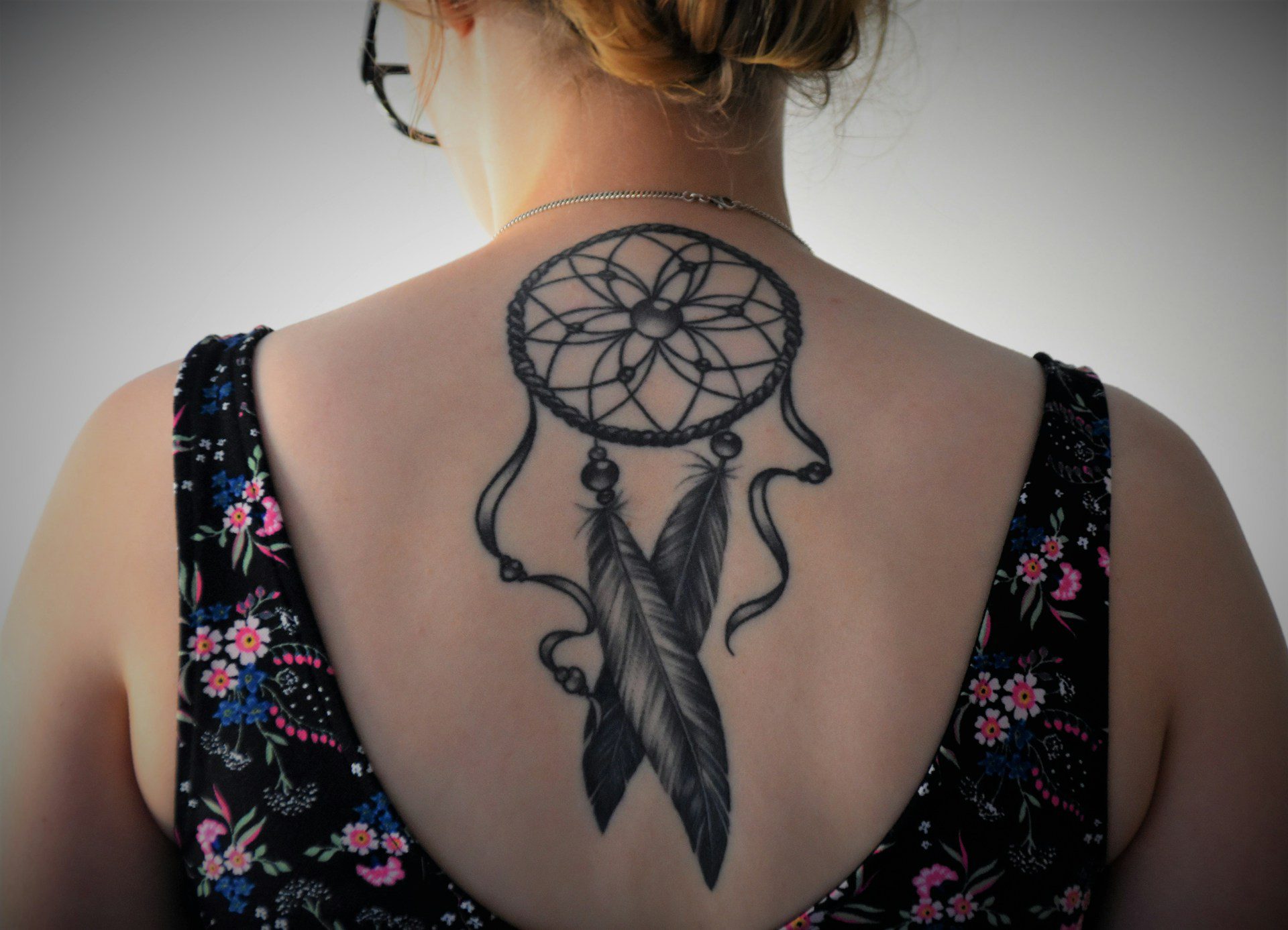
Some tattoos last forever, yet their importance can fade over time. Maybe it’s an old symbol from school years, someone’s name you wish wasn’t there, or just artwork that feels out of place now – getting rid of it isn’t as hard as it once was. Here’s what actually matters when thinking about erasing past choices on skin.
Why Some Choose Tattoo Removal
Now things shift, just like how we see old tattoos. Moving up at work often leads folks to erase ink that shows too much in serious settings. When couples split, it pulls plenty toward wiping away names or marks tied to exes.
Here’s the thing – looks change. Ink softens with years, edges spread out slowly, a clean design turns hazy without warning. Mistakes happen when someone new tries their hand at skin art. Truth is, plenty of people look back and wince. Knowing that doubt shows up often takes some weight off the decision to erase it.
Laser Removal Is Considered Top Choice
Fragments of ink vanish when pulses of light shatter them beneath the skin. This cleanup happens as the body carries pieces out over time. Beams target color without wrecking surrounding tissue. Most people now choose this path to erase old designs. Healing follows each session, slow but steady.
Sessions usually happen a few weeks apart, repeated as needed. Depending on the tattoo – its size, how deep it goes, its age, or what colors were used – the count changes. Darker ink, especially black, tends to fade easier under lasers. Colors such as green or yellow often resist more, making progress slower. Treatment response shifts from one hue to another.
Nowadays, quick bursts of light from advanced lasers make clearing tattoos easier, plus there’s far less pain compared to how it used to be. If you are checking options for the best tattoo removal in Boston, MA, pay attention to places using government-cleared equipment operated by skilled pros who’ve done plenty before.
What To Expect During Treatment
Most times, the initial visit is just a talk-through. A trained person checks how deep the ink sits under your skin. Depending on what they see, plans shift. Skin shade matters. So does general wellness. Colors like black fade easier than blues or greens. Each round of care fits only you. Talks happen before anything touches the area.
Some say it feels like quick snaps from a rubber band, over and over. Though not exactly pleasant, most find they can handle it, especially since numbing creams are often available. Time needed per visit? Around quarter of an hour to half an hour, give or take, based on how big the ink is.
Right away, frosty or pale skin shows up once therapy ends. Then comes puffiness along with red tones. Most times, these shifts fade fast – just takes a handful of days. Sticking close to care steps afterward makes recovery smoother. Healing turns out better when directions are respected.
Alternative Removal Methods
Though lasers lead the way, some people look elsewhere – maybe due to health limits or personal choice. Cutting out the inked skin is one alternative; doctors remove the area entirely, then pull nearby skin closed with stitches. Best suited for tiny designs, it always results in a scar.
Slowing down layer by layer, dermabrasion sands the skin using a spinning tool to fade tattoos over time. Pain often comes with this method, sometimes leaving scars or patches of changed skin color behind. Instead of erasing ink completely, some choose cover-ups – artists craft fresh designs that hide the original piece beneath something new.
What Influences How Well Removal Works
How fast a tattoo fades depends on many things. Not every mark reacts the same way when treated. Ink from amateur work tends to lighten quicker compared to studio-made designs due to shallow, patchy application. Over time, skin naturally breaks down pigment, so marks that have been around longer tend to disappear faster during treatment. Fresh tattoos resist change more than those worn by years.
Fairer skin often handles the procedure with less trouble, yet newer lasers work well across different complexions. Tattoos fade quicker where blood flow is strong – places like arms or chest beat ankles or wrists any day. How your skin reacts ties closely to how light interacts with pigment underneath.
Getting Ready to Leave
It takes time to fade a tattoo fully. Some people see results after many months; others need more than twelve months, based on things like ink depth and skin type. Staying steady matters most. Knowing what to expect keeps effort consistent without surprise setbacks.
Money needs sorting out too because taking off a tattoo usually costs more than getting one. Since most clinics let people pay in chunks, it’s easier to manage the cost over time. Sunlight can mess things up, so keeping skin shaded both ahead of and following sessions helps healing go smoother.
Moving Ahead With Confidence
Getting rid of a tattoo takes thought. Before moving forward, look into how it works. Knowing what methods exist helps guide choices. Pick someone trained well instead of just nearby. Real results take patience – expect gradual change. A trusted provider matters more than speed. Talk openly when meeting clinics. Share concerns. Listen closely. Discomfort lasts weeks; confidence may last years. Each session chips away at the past. Healing unfolds slowly. Skin recovers in its own way. The journey ends with clearer canvas. Final outcomes depend on many things – aftercare plays a role too.