


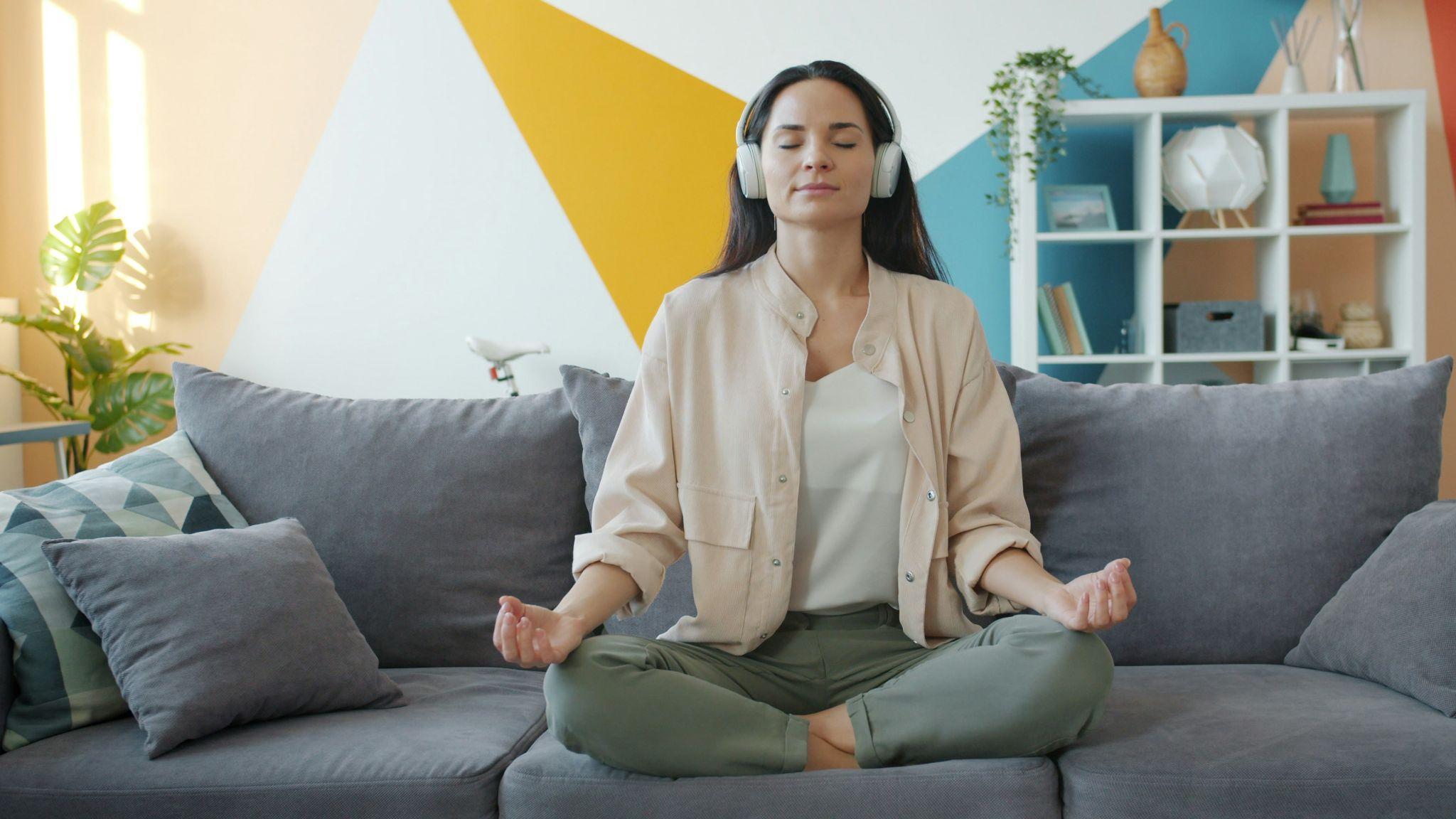
Modern homes are no longer designed purely for aesthetics or function, they are increasingly shaped around well-being. As lifestyles become more demanding and time spent indoors grows, homeowners are placing greater emphasis on environments that support relaxation, recovery, and mental clarity. This shift has led to the rise of “wellness spaces,” areas intentionally designed to improve both physical and emotional health.
Rather than being limited to luxury properties, wellness design is now being integrated into everyday living. From subtle layout changes to dedicated recovery areas, these spaces reflect a deeper understanding of how the built environment affects the mind and body. Research in environmental psychology confirms that intentional design choices can directly influence emotional well-being, comfort, and stress levels, making wellness-centered homes more than just a trend, they are a response to modern living demands.
The Shift Toward Wellness-Centered Design
Home design is evolving from purely visual appeal to purpose-driven environments that support daily life. Designers are now focusing on how spaces make people feel, not just how they look.
Wellness-centered design considers factors such as lighting, airflow, materials, and spatial layout to create environments that promote calm and clarity. According to design research, spaces that incorporate natural elements and thoughtful layouts can improve mental health, reduce stress, and enhance overall satisfaction.
This shift reflects a broader cultural change, homes are becoming sanctuaries where people can recover from the demands of work, technology, and fast-paced routines.
Integrating Dedicated Wellness Features
One of the most visible changes in modern homes is the inclusion of dedicated wellness features. These spaces are designed to support activities such as relaxation, recovery, and self-care.
For example, incorporating features like a 4 person traditional sauna allows homeowners to create a private space for heat therapy and relaxation. These additions are no longer seen as luxury extras but as practical investments in daily well-being.
Industry trends show that wellness amenities such as saunas, meditation areas, and spa-like bathrooms are becoming increasingly common, reflecting growing demand for home environments that actively support health and recovery.
Blending Wellness Into Everyday Spaces
While dedicated rooms are valuable, modern design is increasingly focused on integrating wellness into the entire home. Instead of isolating relaxation to one area, designers are embedding supportive elements throughout living spaces.
This includes optimizing natural light, improving ventilation, and using materials that promote comfort and calm. Research highlights that even subtle environmental changes, such as exposure to natural elements, can reduce stress and improve cognitive function.
This approach ensures that wellness is not confined to specific moments but becomes part of everyday living.
The Role of Sensory Design
Wellness spaces are also shaped by sensory experiences. Light, sound, texture, and even scent all contribute to how a space is perceived.
Design strategies often include layered lighting that adjusts throughout the day, soft materials that enhance comfort, and acoustic elements that reduce noise. These factors work together to create an environment that supports relaxation and focus.
Emerging design approaches emphasize that environments can be “tuned” to promote emotional balance and mental clarity, highlighting the importance of sensory design in modern homes.
Personalization and Flexible Spaces
Another key trend is personalization. Wellness spaces are no longer one-size-fits-all, they are tailored to individual needs and lifestyles.
Some homeowners may prioritize quiet meditation areas, while others focus on active recovery or social relaxation spaces. Flexible layouts allow rooms to serve multiple purposes, adapting to changing needs throughout the day.
This adaptability is essential in modern homes, where space is often limited. By designing with flexibility in mind, homeowners can create environments that support both productivity and relaxation.
The Rise of “Invisible Wellness”
A growing trend in home design is the concept of “invisible wellness.” Instead of obvious features, wellness is built into the structure and atmosphere of the home itself.
This includes circadian lighting systems, improved air quality, and materials that enhance comfort without drawing attention. These elements work quietly in the background, supporting well-being without disrupting the visual design of the space.
Recent design insights show that wellness is increasingly being integrated into every part of the home, moving beyond standalone features to create environments that continuously support health and balance.
Designing Homes That Support Daily Well-Being
Ultimately, the goal of wellness-focused design is to create homes that actively support everyday life. These spaces are not just places to live, they are environments that help people feel better, think more clearly, and recover more effectively.
By combining dedicated features, thoughtful layouts, and sensory design, modern homes are becoming more aligned with human needs. This approach reflects a deeper understanding of how the environment influences well-being, encouraging homeowners to design spaces that support both physical health and emotional balance.
As research and design continue to evolve, one thing remains clear: the future of home design is not just about how spaces look, but how they make people feel and function every day.