


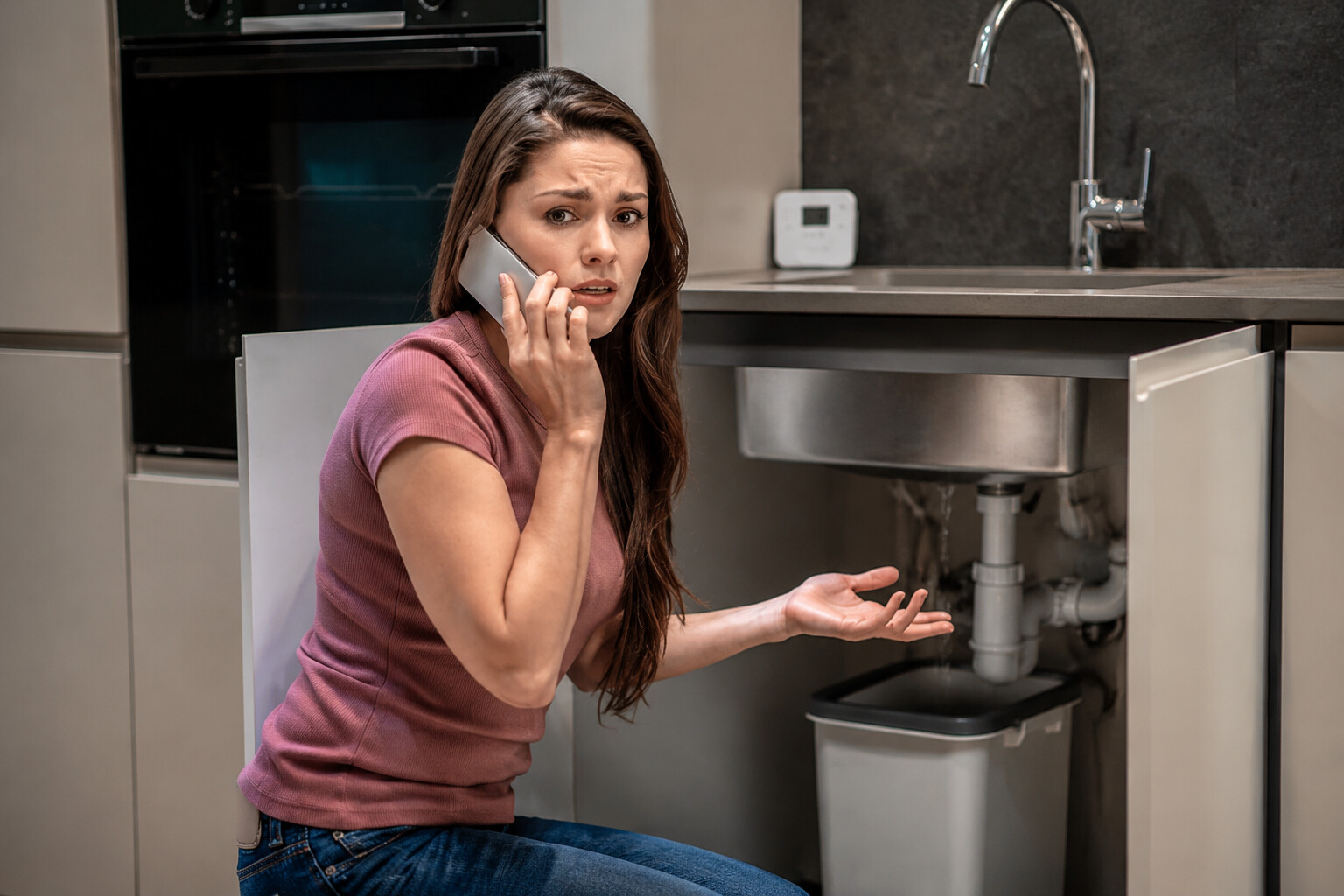
When a plumbing problem strikes without warning, knowing whether to call an emergency plumber or wait for a routine appointment can save you time, money and potentially serious damage to your property. A burst pipe, overflowing toilet or sudden loss of heating can quickly turn a manageable problem into a costly repair if it is not dealt with promptly.
However, not every plumbing issue requires immediate attention. This quick guide explains what qualifies as a plumbing emergency, which problems can safely wait and the steps homeowners should take to minimise damage while waiting for professional help.
What Is Considered a Plumbing Emergency?
A plumbing emergency is any fault that poses an immediate risk to your property, health or safety if it is not addressed quickly. That risk generally falls into one of three categories:
- Property damage: Water is actively leaking and could flood a room, damage flooring, affect electrical systems or weaken walls and ceilings.
- Health and safety: The problem involves raw sewage, contaminated water, a suspected gas leak or another potential hazard.
- Loss of an essential service: Your home has no running water, heating, hot water or working toilet, and the service cannot be restored safely without professional assistance.
If any of these situations apply, the problem should usually be treated as a plumbing emergency requiring same-day professional attention. If none applies, the repair can generally be booked during normal business hours.
Key Signs You Are Dealing With a Genuine Emergency
Before deciding whether to call an emergency plumber, ask yourself:
- Is water actively leaking, spraying or accumulating?
- Would leaving the problem overnight cause significantly more damage?
- Can you smell gas or sewage inside the property?
- Is wastewater backing up through a toilet, shower or drain?
- Does the entire property have no running water, heating or hot water?
- Is the problem affecting the only working toilet in the home?
- Could delaying the repair put anyone in the property at risk?
Answering “yes” to any of these questions strongly suggests that you are dealing with a genuine plumbing emergency rather than a routine repair.
Common Plumbing Emergencies Homeowners Face
Burst or Badly Leaking Pipe
A burst pipe is one of the clearest examples of a plumbing emergency. It can release a large volume of water in a short time, soaking floors, walls, furniture and ceilings before the source of the leak is identified.
Burst pipes are particularly common during cold weather. Water trapped inside exposed pipework can freeze, expand and split the pipe. When the ice begins to melt, water may escape through the damaged section.
Turn off the property’s water supply at the stopcock as soon as it is safe to do so. Avoid attempting complicated repairs yourself, as unqualified work may make the damage worse. Homeowners can learn more about the risks in this guide to common DIY mistakes that may not be covered by home insurance.
No Running Water
A complete loss of running water may be considered an emergency, particularly if the issue affects the entire property rather than a single tap.
Before calling a plumber, check whether neighbours are experiencing the same problem. If nearby properties are also affected, it may be an issue with the local water supply. If the problem is limited to your home, there could be a frozen pipe, internal blockage, closed valve or fault within the plumbing system.
No Heating or Hot Water
A lack of heating or hot water is not automatically an emergency in every situation. However, it may become urgent during very cold weather, particularly when children, older people or medically vulnerable residents are present.
Pipework in an unheated property may also be at greater risk of freezing. If the boiler has stopped working completely or is displaying signs of a serious fault, it should be assessed by an appropriately qualified engineer.
Sewer Backup or Overflowing Toilet
Water or waste backing up through a toilet, shower or drain is both unpleasant and potentially hazardous. It may indicate a serious blockage further inside the drainage system.
Wastewater can contain harmful bacteria and should not be allowed to spread through the property. If sewage is backing up, the toilet is overflowing or the blockage is affecting several drains, arrange professional assistance immediately.
A blocked toilet may not require an emergency visit if another toilet is available and there is no risk of overflow. However, if it is the only toilet in the property or wastewater is rising, it should be treated as urgent.
Suspected Gas Leak
If you smell gas, hear an unusual hissing sound near a gas appliance or suspect a fault with your boiler, treat the situation as an immediate emergency.
If it is safe to do so, open doors and windows, avoid flames and electrical switches, leave the property, and call the National Gas Emergency Service on 0800 111 999. Do not attempt to inspect or repair a gas appliance yourself.
A Gas Safe registered engineer must complete any subsequent boiler inspection or repair.
Water Heater or Boiler Leaks
A leaking water heater or boiler can cause hidden damage to flooring, cabinets and nearby fixtures. It may also indicate an internal pressure problem, damaged component or safety fault.
Even a small drip should not be ignored, as it may become worse over time. If water is leaking near electrical components, the leak is growing or the boiler has stopped functioning, arrange urgent professional assistance.
If you are unsure whether the appliance can be repaired, PAD Magazine’s guide on whether to repair or replace a boiler explains the key factors homeowners should consider.
Water Leaking Through a Ceiling
Water coming through a ceiling usually indicates a leak from a pipe, bathroom fixture, water tank or appliance on the floor above. This should be treated urgently because the water can damage plaster, insulation, electrical wiring and the ceiling structure.
Avoid standing directly underneath a swollen or sagging ceiling. Turn off the water supply and electricity to the affected area if it is safe to do so, then call a qualified plumber.
What Is Usually Not a Plumbing Emergency?
Not every plumbing issue requires a same-day emergency callout. The following problems are worth monitoring but can often wait for a standard appointment:
- A dripping tap that is not causing water to accumulate
- A slow-draining sink that still empties
- Slightly low water pressure from one tap
- A toilet that continues running briefly after flushing
- A minor leak that has been fully contained
- A small patch of condensation that is not expanding
- No hot water during mild weather when there are no vulnerable residents
- A blocked toilet when another working toilet is available and there is no overflow
These issues should still be repaired before they become more serious, but they do not usually justify the additional cost of an emergency callout.
What to Do While You Wait for a Plumber
If you are dealing with a genuine plumbing emergency, the following steps may help limit the damage before professional help arrives:
Turn Off the Water Supply
Locate the property’s internal stopcock and turn it clockwise to shut off the water supply. In many UK homes, the stopcock is found under the kitchen sink, inside a utility cupboard or close to the front entrance.
Knowing where the stopcock is located before an emergency occurs can save valuable time.
Protect Electrical Areas
If water is leaking near sockets, switches, lighting or appliances, keep everyone away from the affected area. Turn off the electricity supply only if it is safe to reach the consumer unit without entering standing water.
If you are uncertain, wait for professional assistance.
Contain the Water
Use buckets, towels or a mop to contain the leak where possible. Move furniture, electronics, rugs and other belongings away from the affected area.
Do not attempt to contain sewage or contaminated water without suitable protective equipment.
Document the Damage
Once the immediate risk has been controlled, take photographs or videos of the leak and resulting damage. These may be useful if you need to make a home insurance claim.
Give the Plumber Clear Information
Explain exactly what is happening when calling the plumber. Mention where the water is coming from, how quickly it is leaking, whether the water supply has been turned off and whether heating, electricity or toilets are affected.
This information can help the engineer understand the urgency and bring the appropriate equipment.
Once the immediate danger has been controlled, it is important to hire a suitably qualified professional. PAD Magazine’s guide on how to find a reliable plumber near you explains what homeowners should check before arranging plumbing or heating work.
Why Acting Quickly Matters
Delaying action during a genuine plumbing emergency rarely makes the repair cheaper. A small leak hidden behind a wall can damage plaster, flooring and timber while also encouraging mould growth.
A leaking boiler may damage its internal components, potentially turning a repairable fault into a more expensive replacement. Sewage backups and contaminated water can also create health risks if they are allowed to spread.
Recognising what counts as a plumbing emergency and responding appropriately can help protect both your property and your budget.
How Assett Plumbing Can Help
Assett Plumbing has been helping homes and businesses across Northamptonshire for more than 30 years. Its emergency plumbing services cover problems such as burst pipes, leaking boilers, blocked toilets, no hot water and loss of heating.
The team aims to reach customers within an hour, does not charge a callout fee and provides a 12-month guarantee on completed work.
Its service area includes Northampton, Kettering, Corby, Wellingborough and surrounding parts of Northamptonshire. Assett Plumbing is approved through the Buy With Confidence scheme and works with fully qualified, DBS-checked engineers.
In addition to emergency plumbing callouts, the company provides boiler repairs and servicing, boiler replacements, central heating work, power flushing and landlord gas safety certificates. Once the immediate problem has been resolved, the same team can help identify and address issues that may cause another emergency in the future.
Expert Tips to Prevent Future Plumbing Emergencies
- Locate and test your stopcock before an emergency occurs.
- Book an annual boiler service, particularly before winter.
- Watch for these signs that your boiler is overdue for servicing, even when it appears to be functioning normally.
- Insulate exposed pipework in lofts, garages and along external walls to reduce the risk of freezing.
- Avoid pouring fat, grease or cooking oil down sinks.
- Do not flush wet wipes, sanitary products or other unsuitable materials down toilets.
- Fix small leaks before they damage surrounding fixtures and materials.
- Check boiler pressure and look for signs of corrosion or moisture around visible pipework.
- Arrange professional inspections when you notice unusual noises, smells or changes in water pressure.
Conclusion
Knowing what qualifies as a plumbing emergency can reduce stress and help you make the right decision when a problem occurs. Burst pipes, sewage backups, suspected gas leaks and serious boiler faults usually require immediate action, while minor drips and slow drains can often wait for a routine appointment.
When in doubt, call a qualified plumber and describe the problem clearly. They can confirm how urgently it needs attention and advise you on the safest steps to take while waiting for assistance.
FAQs
How quickly should a plumbing emergency be dealt with?
Genuine emergencies, such as burst pipes, sewer backups and suspected gas leaks, should be addressed immediately. The water or gas supply should be turned off when it is safe to do so, and professional assistance should be arranged without delay.
Is a leaking boiler considered a plumbing emergency?
It can be. A small, contained drip may not always require an emergency callout, but an active leak, loss of pressure, complete heating failure or water near electrical components should be treated urgently.
What should I do first if I think I have a plumbing emergency?
Turn off the water supply at the stopcock if there is an active leak. If you suspect a gas leak, leave the property and call the National Gas Emergency Service on 0800 111 999. Do not attempt a dangerous repair yourself.
Is a blocked toilet always considered an emergency?
No. If another toilet is available and the blockage is not causing an overflow, it can usually wait for a standard appointment. If it is the only toilet in the property or wastewater is backing up, treat it as an emergency.
Is having no hot water a plumbing emergency?
It depends on the circumstances. During mild weather, a temporary loss of hot water may not require an emergency callout. It becomes more urgent during cold conditions or when vulnerable residents are affected.
Do I need to pay a callout fee for an emergency plumber?
Callout fees vary between companies. Assett Plumbing states that it does not charge a callout fee for emergency plumbing visits, although customers should confirm pricing and the scope of work when booking.

