


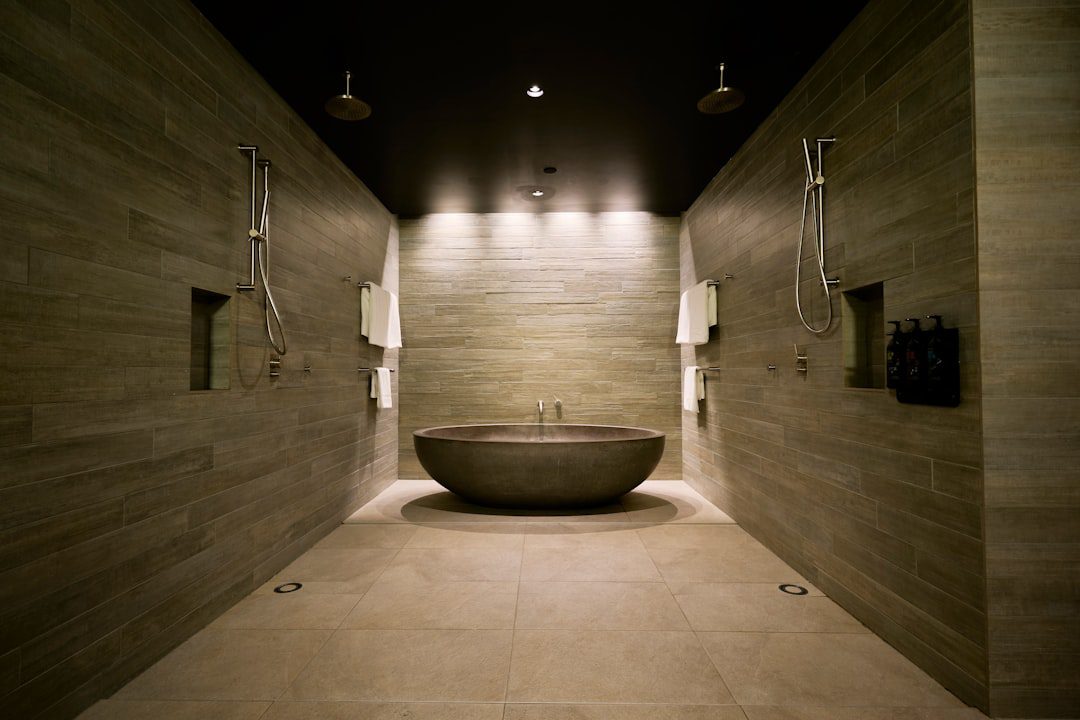
Choosing stone tiles can be a great choice for elevating the look and feel of your entire bathroom space.
However, it’s important to make yourself aware of certain drawbacks when it comes to stone flooring, and how you can overcome them.
Continue reading to find out all you need to know about stone bathroom flooring to see if it’s really worth it.
Cost
It’s important to establish from the outset that stone flooring is more expensive than other flooring options.
Stone flooring costs for supply and installation lie approximately between £100–£180 per m².
Here’s a comparison of the approximate cost of other bathroom flooring materials for supply and installation per m²:
Vinyl: £20 to £45
Laminate: £20 to £50
Luxury Vinyl: £30 to £60
Engineered Wood: £40 to £90
Ceramic/Porcelain Tiles: £30 to £100
While stone flooring is by no means cheap, there is a reason it is both expensive and popular. Investing in it is a strong choice if the goal is to create a luxurious looking bathroom.
Cold to Walk on (We Have a Solution)
Stone flooring can be cold to walk on, especially during chilly periods of the year. As it’s a bathroom, you’re most likely going to be walking in it barefoot.
This deters many from investing in stone flooring for bathrooms. However, the installation of underfloor heating can eradicate this problem.
UFH warms rooms from the ground up and evenly distributes heat around the room.
Here’s why it makes an excellent addition to stone floor bathrooms:
- It offsets the coldness of the stone flooring.
- Stone is a natural conductor of heat, making it one of the most efficient flooring types to combine with underfloor heating.
- Due to the even distribution, there won’t be any cold spots.
- Consistent gentle warmth helps prevent moisture buildup and reduces the risk of the stone tiles cracking from constant temperature swings.
Slipperiness (Not a Dealbreaker)
Certain stone flooring, such as polished marble, granite, or limestone, can be very slippery to walk on when wet.
This is due to reduced friction between your feet and the surface. When stone is wet, a thin layer of water will fill in the surface’s tiny grooves and pores, which creates a slick, smooth film.
The layer reduces the natural roughness which usually allows your feet to grip the floor, meaning you are more likely to slide around and slip.
Smooth stones have less microscopic ridges, so they quickly lose traction when wet.
However, textured stone flooring does offer practicality. It provides a better grip, and significantly reduces the likelihood of slippage.
There are many different textured stone options for bathroom flooring, including:
- Granite
- Slate
- Travertine
- Sandstone
- Flamed finish stone
By opting for textured stone, you can enjoy an enhanced bathroom appearance, as well as functionality.
Natural stone is porous and can absorb water which can lead to water damage, stains, and dullness.
Sealing bathroom stone flooring will help repel water and oil, reduce staining, and preserve the flooring’s appearance.
Seal Properly
Things to remember:
- Clean the floor first and remove any dirt and grime before thinking about sealing.
- Use a penetrating sealer that soaks into the stone to protect it from within.
The Benefits of Stone Bathroom Flooring
Now that we’ve established how you can mitigate the challenges stone flooring can bring, we can get on to the various benefits that a stone tiled bathroom floor can bring.
Aesthetics
The timeless and elegant look of stone flooring adds real character to bathroom spaces.
It is also an excellent way of adding value to your home in the event that you plan on selling it.
Durable
Stone flooring, especially slate, marble, or granite, are very robust and can withstand heavy foot traffic and moisture, providing longevity.
Heat Retention
Going back to our earlier point about underfloor heating, stone flooring is good at retaining heat. When combined with underfloor heating, it creates a cosy bathroom, particularly helpful in winter.
Easy Maintenance
Stone flooring doesn’t require much maintenance; sweeping and occasional sealing should keep it fresh and prevent staining.
Hypoallergenic
Stone flooring, unlike carpet and certain synthetic materials, doesn’t trap dust, allergens, or pet dander, which can promote better bathroom air quality.
Eco-Friendly
Natural stone is a sustainable material. To be produced, it doesn’t require harmful chemicals and lasts for decades, making it both a long-term solution and one that reduces waste over time.
Conclusion
There are several important things to consider before investing in stone flooring, such as cost, coldness, slipperiness, and the need to seal correctly.
However, stone flooring provides longevity, making it a viable option in the long run, and the coldness and slipperiness can be dealt with using underfloor heating and textured stone, respectively.
It also looks fantastic, is easy to maintain, and eco-friendly. As long as your stone flooring is designed with practicality in mind, it is one of the best options out there.