


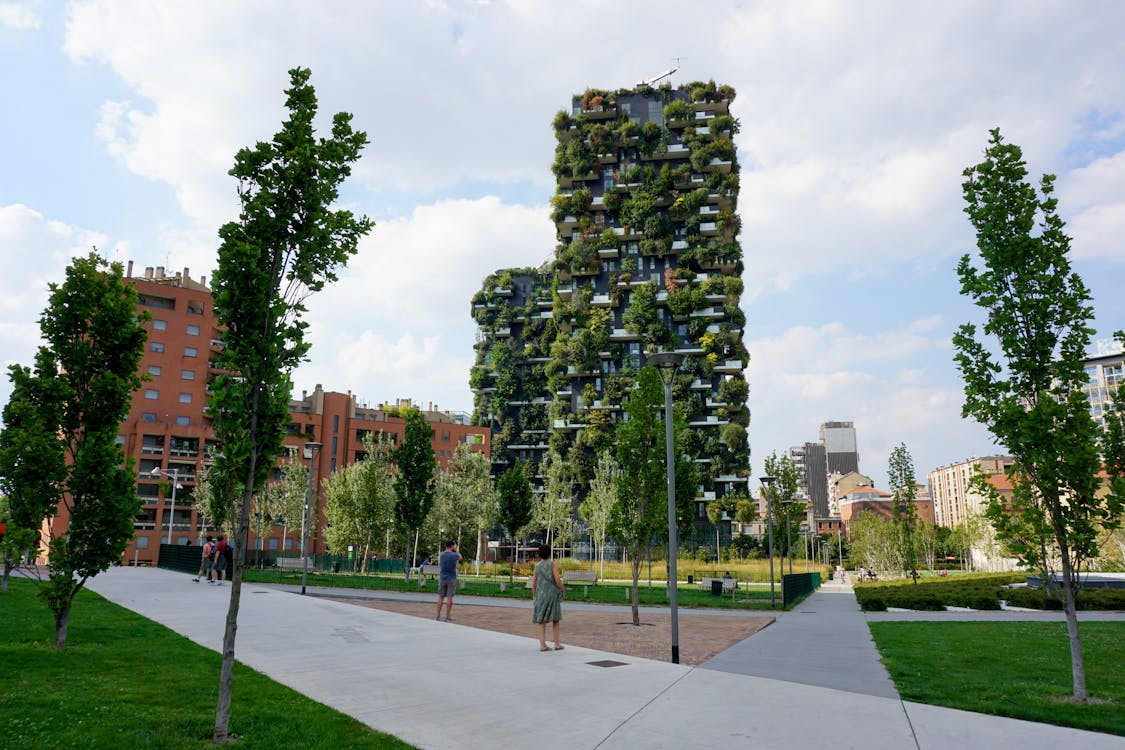
Concrete alone can’t solve city living anymore. That lesson keeps repeating across the UK and beyond. Streets flood after one heavy storm. Summer heat lingers between buildings long after sunset. Residents want cleaner air, more trees, and neighborhoods that feel livable instead of merely functional. Urban housing projects are being pushed to do more, and rightly so.
Green infrastructure has moved from nice extra to basic requirement. Developers that still treat landscaping as the final cosmetic layer are already behind.
Cities Need More Than Buildings
Urban growth often creates pressure points fast. More roofs mean more runoff. More roads mean hotter surfaces. Fewer planted areas mean less habitat and poorer drainage. It’s a chain reaction.
A housing scheme can look polished on launch day and still perform badly two years later if the site can’t handle rainwater or heat. Residents notice quickly. Puddled walkways, overheated courtyards, dead planting beds, and poor air movement don’t stay hidden for long.
That’s why planners increasingly favor projects that solve environmental stress before the first brick goes in. Smart tree placement, rain gardens, swales, permeable paving, and shaded communal areas are no longer fringe ideas. They’re practical responses to common urban problems.
Stormwater Is the Real Test
Nothing exposes weak planning faster than a storm.
The last time many city neighborhoods faced intense rainfall, the pattern was familiar. Drains backed up. Roads pooled. Basement spaces became expensive cautionary tales. Traditional hard-surface development often moves water quickly, but not wisely.
Green infrastructure slows, stores, and filters water where it lands. Bioswales direct runoff. Green roofs absorb part of the rainfall load. Planted basins reduce pressure on drainage networks. Permeable surfaces let water pass through instead of racing toward overloaded systems.
During construction, this thinking matters too. Disturbed ground can wash sediment into nearby drains and waterways if sites are poorly managed. That’s where sediment control products play a practical role, helping contain runoff before it becomes a downstream problem no one wants to explain later.
Buyers Expect Better Outdoor Space
Housing demand has changed. People now judge developments by how they feel, not just how they look on a brochure.
A courtyard with shade trees and seating has real value. So does a walking path that stays usable after rain. Parents notice whether children can play somewhere pleasant. Older buyers notice benches, planting, and calmer streetscapes. Remote workers notice whether there’s a decent outdoor corner to escape four walls and another video call.
Developers sometimes underestimate this shift. Residents compare communities online, in person, and through local reputation. If one project offers sterile paving and token shrubs while another offers usable green space, the choice gets easier.
Even a new home builder focused on delivery speed can benefit from recognizing that outdoor amenity now influences sales appeal almost as much as kitchen finishes.
Heat Is Becoming a Serious Design Issue
Many urban sites trap warmth. Dark materials absorb heat all day, then release it slowly at night. That creates hotter homes, uncomfortable public areas, and higher cooling demand.
Trees help more than glossy marketing brochures ever will.
Canopy cover reduces surface temperatures. Green roofs insulate upper floors. Vegetated walls can soften harsh exposures in dense locations. Shaded pedestrian routes make walking realistic in warmer months instead of something residents avoid until sunset.
Some developers still treat these moves as optional extras. That view is outdated. Climate resilience is no longer a future talking point. It’s a present design brief.
Biodiversity Rules Are Raising the Bar
Planning policy is changing, and so are expectations around habitat value. Urban housing can’t keep stripping sites bare and replacing them with decorative planting that offers little ecological benefit.
Native species planting, pollinator corridors, bird-friendly spaces, and connected green zones now matter. Councils want measurable gains, not vague promises. Residents do too.
This creates a useful discipline. Better planting design tends to improve visual appeal, ecological function, and long-term neighborhood character at the same time. That’s rare in development, where one decision often solves one problem while creating two more.
Green Features Can Save Money Later
There’s a stubborn myth that sustainable site design always costs more. Sometimes it does upfront. Often it saves money later.
Flood remediation is expensive. Replacing failed hard landscaping is expensive. Constant irrigation for poor planting choices is expensive. Resident complaints and management headaches have their own price tag as well.
Well-designed green infrastructure can reduce maintenance burdens when it matches local conditions. Durable planting schemes, smarter drainage, and cooler public spaces tend to age better than bare hardscape-heavy environments. They also help protect long-term asset value, which gets everyone’s attention eventually.
The Projects That Stand Out Will Feel Human
People don’t form emotional connections with concrete retaining walls. They remember tree-lined entrances, birdsong in the morning, a bench in the shade, and streets that feel calm rather than harsh.
That human factor is often missed in spreadsheets. Yet it shapes whether a place earns pride, indifference, or complaints on neighborhood Facebook groups by week two.
Urban housing projects face tighter land supply, higher scrutiny, and tougher climate conditions than before. Green infrastructure answers several of those pressures at once. Not perfectly. Nothing does. But far better than another rectangle of paving pretending to be progress.