


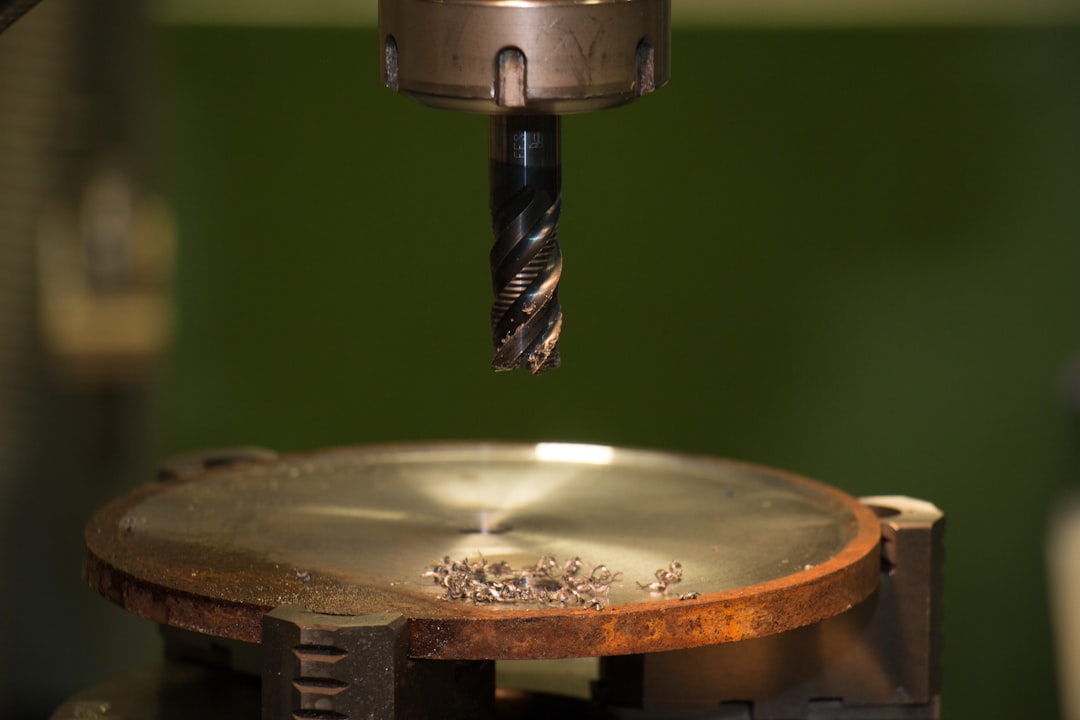
In machining, the difference between an average result and a perfect cut often comes down to measurement habits. It’s not always about having the most advanced equipment—it’s about how consistently and accurately you use the tools you already have. Small improvements in how you measure can lead to better part quality, tighter tolerances, and fewer costly mistakes.
Many machinists focus heavily on cutting strategies, feeds, and speeds, but overlook the role that measurement plays in the overall process. The truth is, even the best machining setup can produce poor results if measurements aren’t taken correctly or consistently. Developing strong habits ensures that every step of the process—from setup to final inspection—supports precision.
For machinists working with setups that include components like a 5c collet, building reliable measuring habits is key to maintaining accuracy throughout the entire workflow.
Building Consistency with Proper Measurement Techniques
Consistency is one of the most important factors in accurate machining. Without it, even small variations in measurement can lead to parts that fall outside of tolerance. The goal is to create repeatable processes that deliver the same results every time, regardless of who is taking the measurement or when it’s being done.
One of the first steps in building consistency is using the right technique. This means applying the same amount of pressure each time, aligning the measuring tool properly with the part, and avoiding any unnecessary movement that could affect the reading. Even slight differences in how a tool is handled can lead to variations that add up over multiple measurements.
Another key factor is understanding the relationship between your setup and your measurements. Workholding plays a major role here. If a part isn’t secured properly, it can shift during measurement or machining, leading to inaccurate readings and inconsistent results. A stable setup ensures that what you measure reflects the true dimensions of the part.
Temperature control is another often-overlooked element. Materials expand and contract with changes in temperature, which can affect measurements in subtle but important ways. Allowing both the part and the measuring tools to stabilize before taking readings helps maintain accuracy, especially in environments where conditions fluctuate.
Using the right tools for specific measurements also improves consistency. For example, when measuring internal diameters or tight tolerances, a dial bore gauge provides a level of precision that general-purpose tools may not achieve. Choosing the correct instrument ensures that your measurements are both accurate and reliable.
Finally, repetition is key. Taking multiple measurements and comparing results helps confirm accuracy and identify any inconsistencies. This practice not only improves confidence in your readings but also helps catch potential issues before they impact the final cut.
Avoiding Common Mistakes That Impact Final Accuracy
Even experienced machinists can fall into habits that introduce small errors. These mistakes are often subtle, but they can have a significant impact on the final result if left unchecked.
One common issue is relying too heavily on a single tool for all measurements. While versatile tools like calipers are essential in any shop, they’re not always the best choice for high-precision work. Using them in situations where more specialized tools are required can lead to small inaccuracies that affect overall part quality.
Another frequent mistake is skipping calibration checks. Measuring tools can drift over time, and failing to verify their accuracy can result in consistent errors across multiple parts. Regular calibration ensures that your tools are providing accurate readings and helps maintain trust in your measurements.
Surface cleanliness is another factor that can easily be overlooked. Dirt, oil, or debris on the part or the measuring tool can interfere with readings, creating small gaps that lead to inaccurate measurements. Taking the time to clean both surfaces before measuring can prevent these issues and improve overall accuracy.
Inconsistent measuring points can also cause problems. Measuring different areas of a part without a clear reference can lead to variations that don’t accurately reflect the intended dimensions. Establishing consistent measurement points ensures that readings are comparable and reliable.
Rushing through the measurement process is another common pitfall. In busy environments, it’s easy to prioritize speed over accuracy, but this often leads to mistakes that require rework or scrap. Slowing down and focusing on precision during measurement can save time in the long run by reducing errors.
Finally, failing to document or track measurements can make it difficult to identify patterns or recurring issues. Keeping records of measurements, especially in production settings, helps maintain consistency and provides valuable data for improving processes over time.
Conclusion
Improving your measuring habits is one of the most effective ways to achieve better machining results. While tools and equipment are important, it’s the consistency and precision of your measurements that ultimately determine the quality of your work.
By focusing on proper techniques, using the right tools, and avoiding common mistakes, you can create a workflow that supports accuracy at every stage. These improvements don’t require major changes—just attention to detail and a commitment to doing things the right way.
In the end, the perfect machine cut isn’t just about how you machine the part—it’s about how you measure it. Strong measuring habits ensure that every cut is backed by accurate data, leading to better results, less waste, and greater confidence in your work.