


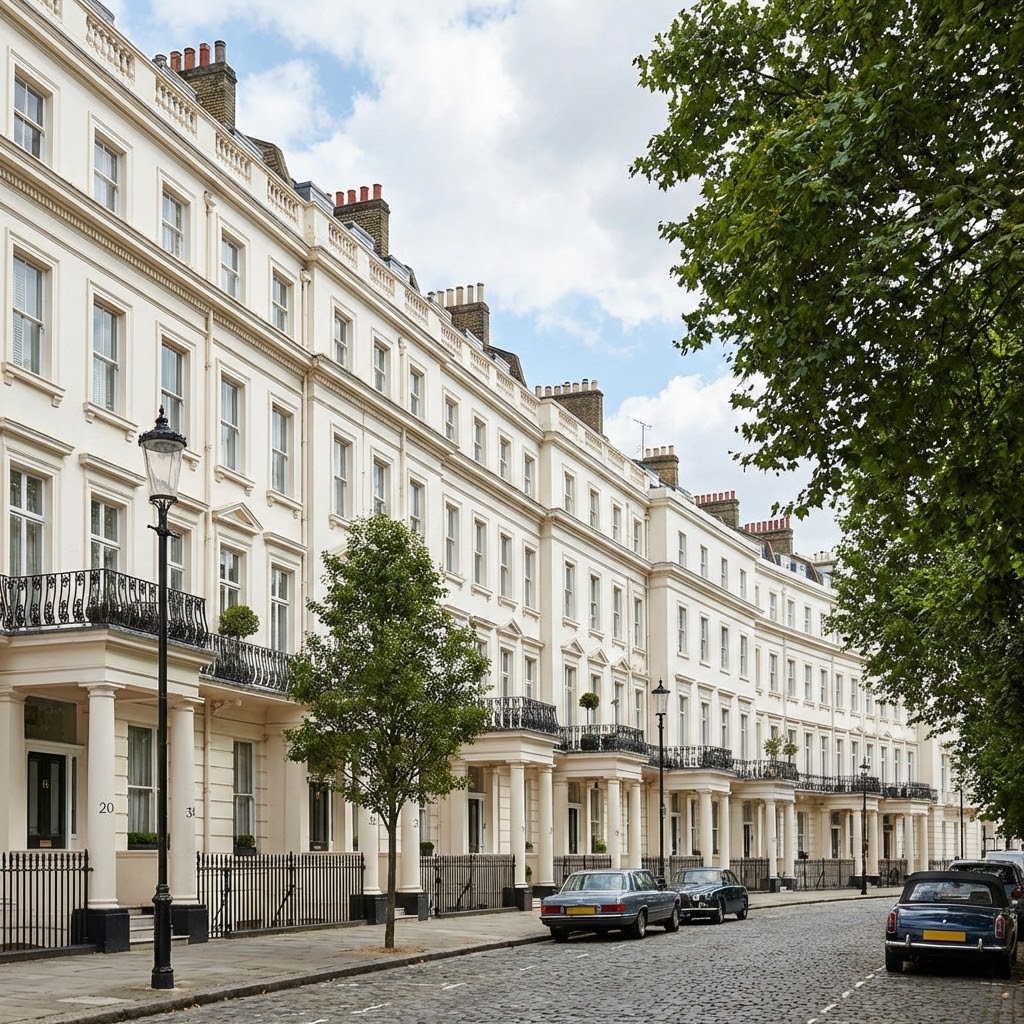
London is a city defined by its vertical rhythm. From the grand, white-stucco terraces of Belgravia to the red-brick Victorian rows of Highbury and Islington, the timber sash window is the “eyes” of the capital’s architecture. For homeowners in London’s 27 variant Conservation Areas, maintaining these features isn’t just about aesthetics—it’s about preserving the historical narrative of the city.
As we progress through 2026, a significant shift has occurred in London property renovation. Homeowners are moving away from the “quick fix” of synthetic materials and returning to high-performance timber. This resurgence is driven by a desire for authentic restoration that meets modern thermal expectations.
Why Timber remains the London Standard
The sash window became a staple of British architecture following the Great Fire of London, evolving through the Georgian, Victorian, and Edwardian eras. In a city where space is at a premium and properties are often centuries old, timber is a uniquely “sympathetic” material. It moves in harmony with old masonry and allows a building to breathe—something rigid modern materials often fail to do.
Feature | Bespoke Timber Sash (London Standard) | Mass-Produced uPVC Alternative |
Lifespan | 60–80+ Years (with maintenance) | 15–25 Years (degrades in London smog/UV) |
Sustainability | Carbon Negative / Fully Recyclable | Petroleum-based / High Carbon Footprint |
Repairability | Sills and sashes can be individually repaired | Entire unit usually requires replacement |
Property Value | Significant “Premium” for Heritage Assets | Often viewed as a “detraction” by surveyors |
Aesthetics | Slim glazing bars & authentic “horns” | Bulky frames that obscure natural light |
Navigating London’s Conservation Constraints
London’s local councils (such as Hackney, Camden, and Islington) have some of the strictest planning guidelines in the country. Replacing original timber windows with plastic is often prohibited, and for good reason. A single uPVC installation in a row of Victorian sashes can disrupt the visual harmony of an entire street.
However, the challenge for the modern Londoner is noise and heat loss. Living in a bustling metropolis means dealing with sirens, traffic, and urban “heat islands.” The modern timber sash has evolved to solve these specific metropolitan problems:
- Acoustic Glazing: Specialist laminated glass can now be integrated into timber sashes, reducing city noise by up to 40dB without thickening the frame profile.
- Vacuum-Sealed Slimline Units: These provide the thermal efficiency of a modern new-build while maintaining the delicate 18mm-22mm glazing bars required for a Grade II listed appearance.
- Drought-Proofing Technology: Modern brush seals and hidden gaskets eliminate the “London Rattle,” ensuring that even the draftiest Victorian terrace remains airtight.
The 2026 Shift Toward Urban Sustainability
In 2026, “Low Carbon Living” is no longer a buzzword; it is a requirement for London homeowners. Timber is the only naturally renewable construction material available. When sourced from FSC-certified forests, it acts as a carbon sink, locking away CO2 for the lifetime of the window.
Unlike synthetic frames, which are a petroleum-based product, a well-maintained timber sash window can last a century. The “repair over replace” philosophy is central to sustainable urban development. By choosing high-quality timber, Londoners are investing in the long-term stewardship of their property rather than contributing to the cycle of disposable construction.
The “Golden Ratio” of Interior Light
The term “Sash Window” is synonymous with the flood of natural light that defines London’s period interiors. Because timber is naturally strong, the frames can be kept incredibly slim. This maximizes the glass area, allowing the low winter sun to penetrate deep into narrow London terraced houses.
Whether you are restoring a Georgian townhouse or a converted Edwardian flat, the proportions must be exact. Bespoke joinery ensures that the “Golden Ratio” of the original design—the balance between height, width, and pane division—is respected.
Expert Conclusion
Investing in timber sash windows is an investment in London’s future history. By blending 18th-century design with 21st-century thermal science, homeowners can enjoy a quiet, warm, and beautiful home that honors the capital’s past.
About Golden Ratio Windows
Based in North London, Golden Ratio Windows is a specialist in the design, manufacture, and installation of premium Timber Sash Windows. Serving the entire Greater London area, they combine traditional craftsmanship with advanced acoustic and thermal technology to protect and enhance the city’s heritage homes.